Who gets to pull a dangerous product off the shelves—the company or the government?
It’s not just a procedural question: it changes who controls the message, how fast fixes happen, and what penalties can follow.
About 95% of U.S. recalls are voluntary, but the key difference is simple: voluntary recalls are started and run by companies to limit harm and manage reputation, while mandatory recalls are ordered by regulators and come with legal enforcement, tighter oversight, and heavier consequences.
This piece explains what each means, who’s affected, and what to do next.
Key Distinctions Explained: Voluntary vs Mandatory Product Recall Differences
A voluntary recall starts when a manufacturer or distributor spots a defect or gets reports of a safety issue. The company decides on its own to pull the product, notify buyers, and loop in the right regulatory agency. Between 2012 and 2024, the FDA logged 94,288 product recalls. About 95% of all U.S. recalls are voluntary. Companies go this route to cut down on legal trouble, protect their reputation, and show they’re cooperating with regulators before things get ugly.
A mandatory recall happens when a government agency like the CPSC, FDA, or NHTSA orders a company to recall something. This comes after the company either didn’t act voluntarily or the agency figured voluntary efforts weren’t enough to handle a serious hazard. Mandatory recalls come with legally binding enforcement tools, including administrative orders and consent decrees that force compliance and come with penalties if you drag your feet.
The big difference? Who’s calling the shots. With a voluntary recall, the company keeps control over the message, timing, and what they’ll do about it (refunds, repairs, replacements, whatever). In a mandatory recall, the regulator dictates those terms and watches compliance through formal legal channels. Both types aim to get dangerous products off shelves, but mandatory recalls mean regulators thought the hazard was serious enough to step in. And they carry heavier legal and financial consequences.
| Aspect | Voluntary Recall | Mandatory Recall |
|---|---|---|
| Initiator | Manufacturer or distributor | Regulatory agency (CPSC, FDA, NHTSA) |
| Legal Force | Company driven, cooperative with regulator | Legally compelled by administrative order or consent decree |
| Oversight | Agency monitors but doesn’t mandate steps | Agency dictates scope, timeline, corrective actions |
| Compliance | Expected but not legally enforceable by injunction | Enforceable through fines, injunctions, product seizures |
Product Scope and Regulatory Coverage Across Recall Types
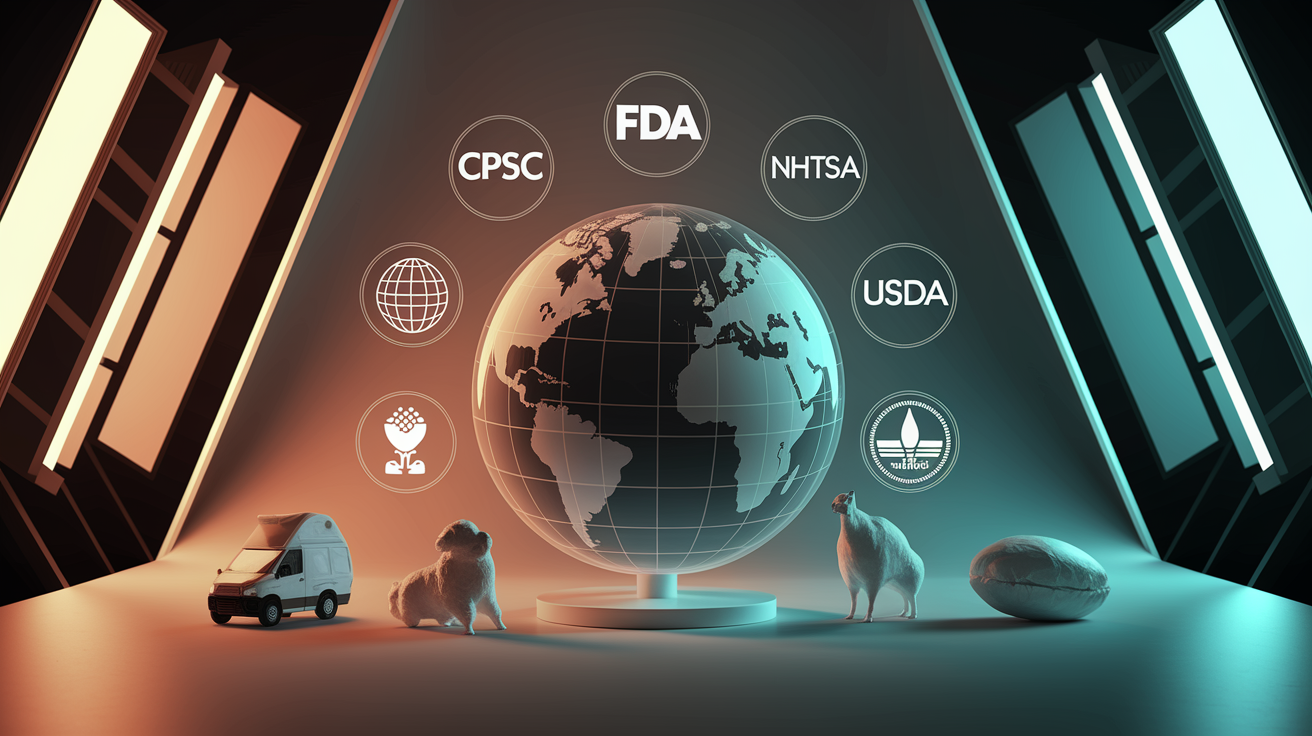
Product scope decides which federal agency has jurisdiction and what corrective actions you’re looking at. The CPSC oversees more than 15,000 categories of consumer products. Toys, cribs, power tools, household chemicals, appliances. The FDA handles food, drugs, medical devices, dietary supplements, biologics, cosmetics. NHTSA covers motor vehicles and vehicle equipment like tires and child safety seats. The USDA takes care of meat, poultry, processed egg products. Each agency has its own reporting requirements, notification timelines, and enforcement tools built around the risks their products carry.
Both voluntary and mandatory recalls apply across these product categories. But the scope of each recall depends on how the defect got identified and how widely the hazard affects the product line. A voluntary recall might cover one production batch if internal quality control catches a manufacturing flaw early. A mandatory recall often involves broader batch identification because the regulator’s gathered evidence through consumer complaints, hospital emergency data, testing, or death certificates showing the problem is wider than the company let on.
Understanding product scope also clears up the difference between a recall and other market actions. A recall requires public notification and a plan to remove or repair defective products already in people’s homes. A market withdrawal pulls products that violate regulations but don’t pose immediate safety risk, and typically doesn’t need the same level of public alert. A stock recovery retrieves products that never left the distribution chain. These distinctions matter because only recalls trigger the full set of legal, communication, and liability obligations tied to consumer safety.
-
CPSC jurisdiction covers toys, cribs, power tools, household chemicals, furniture, small appliances. Excludes vehicles, alcohol, tobacco, firearms.
-
FDA jurisdiction includes food, prescription and over the counter drugs, medical devices, dietary supplements, infant formula, cosmetics.
-
NHTSA jurisdiction handles motor vehicles, motorcycles, vehicle equipment including tires, child safety seats, motorcycle helmets.
-
USDA jurisdiction manages meat, poultry, processed egg products, certain food items produced under USDA inspection.
-
ATF and TTB oversight means alcohol, tobacco, firearms, explosives fall outside recall frameworks managed by CPSC, FDA, or NHTSA.
-
International coordination happens when U.S. recalls prompt parallel actions in Canada, the European Union, and other jurisdictions through customs data sharing and global safety standards.
Company Actions in a Voluntary Recall: What Happens and Why It Matters
When a company identifies a defect or safety issue, it usually moves fast to limit legal exposure and keep consumer trust intact. Voluntary recalls often unfold within weeks of discovery. The company reports the issue to the relevant agency, cooperates during the investigation, removes affected inventory from distribution, and notifies consumers through press releases, social media, emails, website alerts. Offering remedies like refunds, repairs, or replacements is standard. By acting before an agency orders a recall, companies keep more control over the narrative and can show transparency.
Timely voluntary recalls can reduce the severity of regulatory penalties and improve outcomes in court. Courts and regulators view prompt action as evidence of good faith. Delayed or narrowly scoped recalls can signal negligence or attempts to hide known dangers. But issuing a voluntary recall doesn’t shield a company from civil liability. Injured consumers can still file product liability claims, and attorneys often use the recall itself as evidence that the company knew or should’ve known about the danger.
Speed matters. Voluntary recalls typically launch within weeks, letting companies address hazards before injury reports pile up.
Companies control the messaging. They draft recall notices, choose communication channels, shape public perception.
Lower regulatory friction. Agencies are more likely to cooperate and avoid punitive action when companies act voluntarily.
Doesn’t eliminate liability. Recall doesn’t prevent lawsuits. Injured parties can still seek compensatory and sometimes punitive damages.
Delay increases risk. Waiting to issue a voluntary recall strengthens negligence claims and can trigger mandatory enforcement.
Cost and logistics add up. Companies bear the expense of notifications, product retrieval, refunds or replacements, potential inventory destruction.
Mandatory Recalls and Regulatory Authority: How Enforcement Works
Mandatory recalls occur when a regulatory agency determines that a company hasn’t addressed a substantial product hazard through voluntary action. The CPSC, established in 1972, can order recalls of consumer products when it identifies an unreasonable risk of injury or death. The FDA can mandate recalls of drugs, medical devices, food products under similar authority. NHTSA has the power to compel vehicle recalls when safety defects come to light. These agencies gather evidence from consumer complaints, hospital emergency department data, manufacturer reports, testing, even news stories. When voluntary cooperation is absent or insufficient, the agency moves to formal enforcement.
Enforcement Tools
Agencies use a range of tools to compel compliance. Administrative orders identify specific product batches and require removal, repair, or replacement. Consent decrees are legally binding agreements negotiated between the agency and the company, often including provisions for compliance monitoring, corrective action plans, penalties for future violations. If a company resists, the agency can seek injunctions in federal court to halt distribution, seize products already in commerce, impose civil fines that can reach nearly $16 million per violation as of 2024. Criminal prosecution is rare but possible in cases involving willful concealment or severe harm.
Mandatory Recall Triggers
Mandatory recalls typically follow a pattern. The agency investigates reports of injury or defect, requests data from the manufacturer, evaluates the severity and scope of the hazard. If the company doesn’t initiate a voluntary recall or if the proposed voluntary action is too narrow, the agency issues a preliminary finding and may hold public hearings. After the administrative process concludes, the agency orders the recall and specifies corrective actions, timelines, reporting requirements. Contested mandatory recalls can take months or years to resolve, especially when companies challenge the agency’s findings in court. During that time, the hazardous product may remain in circulation, increasing both the injury count and the manufacturer’s liability exposure.
Legal Implications: Liability Differences Between Voluntary and Mandatory Recalls
Both voluntary and mandatory recalls serve as evidence in product liability lawsuits, but they carry different legal weight. A voluntary recall shows that a company recognized a defect or hazard. Plaintiffs use this to prove the company knew or should’ve known the product was dangerous. Courts evaluate the timing and scope of voluntary recalls closely. A recall issued promptly after discovering a defect may limit a company’s exposure to punitive damages. A delayed recall or one that covers only a narrow subset of affected products can indicate negligence or a calculated decision to prioritize profits over safety.
Mandatory recalls signal something more serious. When an agency orders a recall, it’s made an official finding that the product poses an unreasonable risk and that the company failed to act appropriately on its own. This finding strengthens claims of gross negligence or willful disregard for consumer safety. Plaintiffs can point to the mandatory order as proof that the hazard was both known and severe enough to trigger government intervention. In court, mandatory recalls often support claims for punitive damages, which are designed to punish especially reckless conduct and deter future misconduct.
Regardless of recall type, injured consumers retain the right to file individual lawsuits or join class actions seeking compensatory damages for medical expenses, lost wages, pain and suffering, property damage. Manufacturers can’t escape liability simply by conducting a recall. The recall itself becomes part of the evidentiary record, alongside internal documents, expert testimony, agency reports. Companies that delay recalls, understate risks in public communications, or resist regulatory demands face higher damages awards and reputational harm that can persist long after the recall concludes.
Voluntary recall as evidence of knowledge. Courts treat voluntary recalls as admissions that the company was aware of a defect or safety issue.
Timing matters. Prompt recalls reduce punitive exposure. Delayed recalls strengthen negligence claims and increase damages.
Mandatory recall as official finding. Agency orders provide formal proof of unreasonable risk and company failure to act.
Punitive damages. Mandatory recalls and evidence of concealment or resistance can lead to awards beyond compensatory damages.
No immunity from suit. Neither recall type shields a company from civil liability. Injured consumers can still pursue legal claims.
Real-World Examples Showing Recall Differences
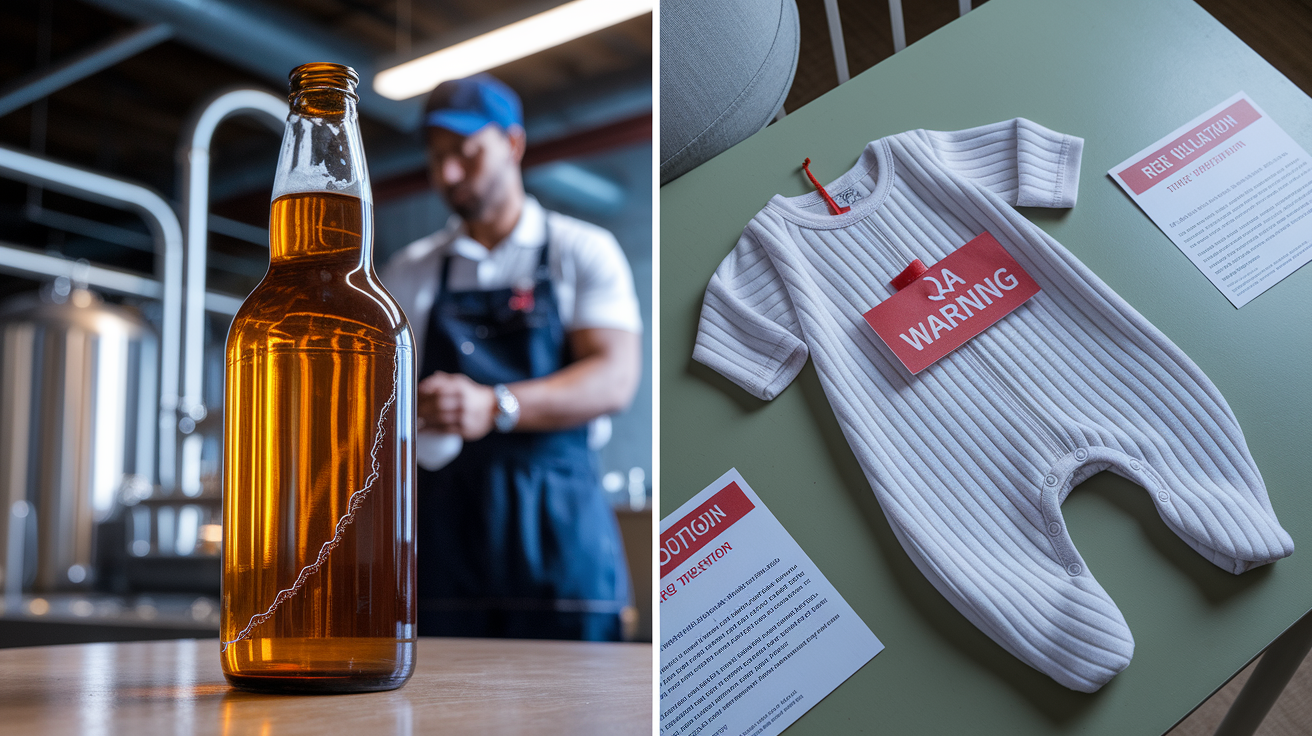
In one voluntary recall, a craft brewery issued a 36 state recall of year round and seasonal beers bottled at its North Carolina facility after inspectors discovered a flaw in glass bottles that could allow small glass fragments to contaminate the beer. The company estimated that roughly 1 in every 10,000 twelve ounce bottles packaged between December 5 and January 13 might be affected. The brewery acted quickly, coordinating with distributors and retailers, issuing public alerts through social media and press releases, offering consumers refunds or replacements. By moving fast and transparently, the company limited the scope of injuries and demonstrated cooperation with regulators, which helped contain legal and reputational fallout.
Mandatory recalls often follow a different pattern. In cases involving defective children’s products, the CPSC has ordered recalls after companies resisted voluntary action despite mounting evidence of injuries. When a manufacturer of infant sleepers received reports of suffocation deaths but declined to issue a voluntary recall, the CPSC conducted its own investigation, gathered hospital data and death certificates, and ultimately ordered a mandatory recall of all units. The mandatory order not only forced the company to remove the product from the market but also provided injured families with strong evidence of the company’s failure to act, which supported claims for punitive damages in subsequent litigation. The contrast between these two examples shows how voluntary recalls can protect companies when executed properly, while mandatory recalls expose manufacturers to heightened legal and financial consequences.
Evidence and Documentation: What Consumers Should Keep After a Recall

After a product recall, injured consumers should gather and preserve evidence to support potential legal claims. Medical records documenting injuries caused by the defective product are essential, especially if treatment is ongoing or if long term complications develop. Purchase receipts prove ownership and establish the date of acquisition, which can be critical when determining whether a specific unit falls within the affected batch. Product packaging, including model numbers, serial numbers, manufacturing dates, helps trace the item back to the defect and links it to the recall notice.
Recall notices themselves, whether received by mail, email, or downloaded from the manufacturer’s website, serve as proof that the company acknowledged the hazard and the timeline of that acknowledgment. If the company delayed issuing the recall or understated the risk in its communications, those documents become evidence of negligence. Photographs of the defective product, especially if they show the specific flaw or damage, can corroborate claims. Attorneys also rely on expert analysis of product design and manufacturing processes, agency investigation reports from the CPSC or FDA, and internal company documents obtained through discovery to build a full picture of how and why the defect occurred.
Medical records. Hospital visits, diagnostic tests, treatment plans, prescriptions, follow-up care related to the injury.
Purchase receipts. Proof of purchase with date, price, retailer information to confirm ownership.
Product packaging and labels. Model numbers, serial numbers, manufacturing dates, barcodes that identify the recalled batch.
Recall notices. Copies of official recall alerts from the manufacturer, retailer, or regulatory agency.
Photographs of the product. Visual documentation of the defect, damage, or injury site.
Comparing Recall Processes Across Agencies
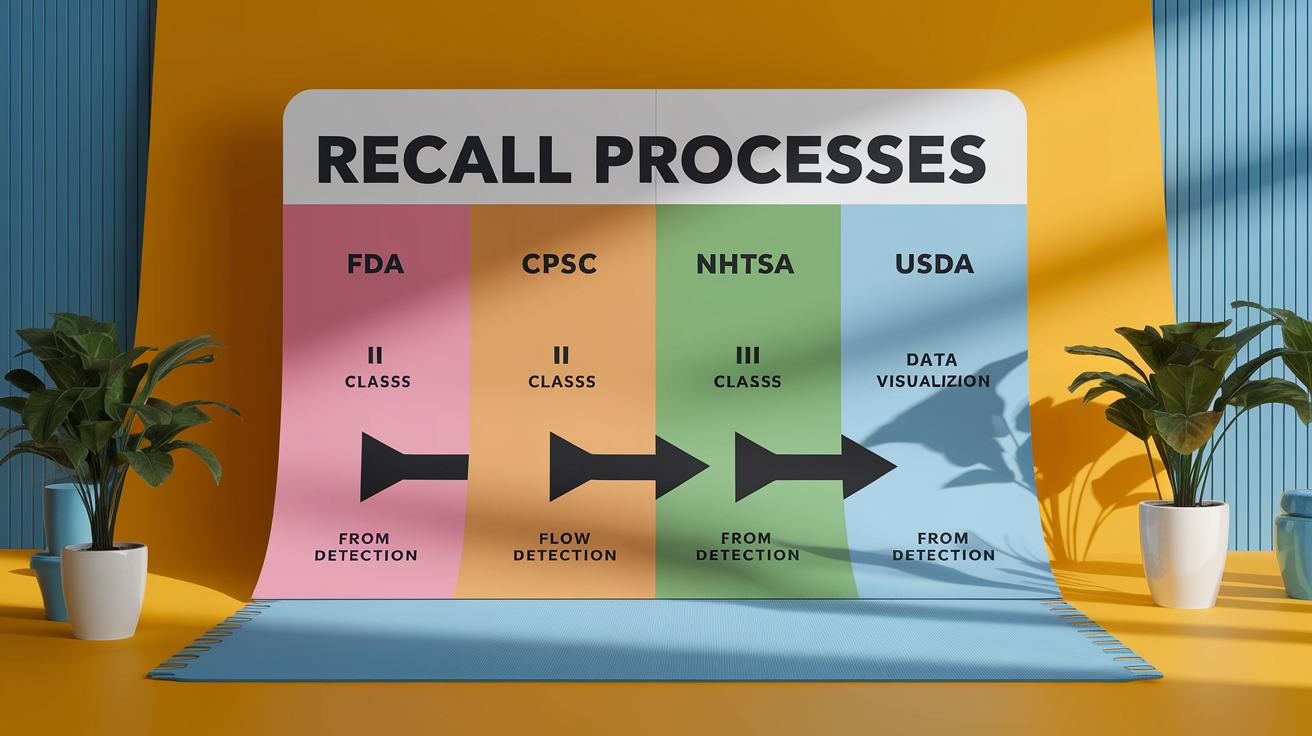
The FDA, CPSC, and NHTSA each manage recalls according to the specific risks posed by the products in their jurisdiction. The FDA oversees food, drugs, medical devices, cosmetics, and uses a three tier classification system to prioritize recalls. Class I recalls involve products that could cause serious health problems or death. Class II recalls cover products that might cause temporary health issues or a slight risk of serious harm. Class III recalls address products that violate labeling or other regulations but are unlikely to cause adverse health effects. Most FDA recalls are voluntary, but the agency can mandate recalls of certain high risk products, including medical devices and infant formula, when manufacturers fail to act.
The CPSC handles more than 15,000 types of consumer products. Toys and cribs, power tools and household chemicals. The agency works closely with manufacturers to negotiate voluntary recalls in most cases, but it has authority to issue mandatory recall orders when companies resist or when the hazard is severe. The CPSC collects data from consumer complaints, emergency room reports, its own testing labs. It also coordinates with international partners and U.S. Customs to prevent recalled products from re-entering the market through imports. CPSC recalls often involve complex supply chains, with products manufactured overseas and distributed through multiple retail channels.
NHTSA focuses on motor vehicles and vehicle equipment. When a safety defect or noncompliance with federal motor vehicle safety standards is identified, NHTSA can order a recall that requires manufacturers to notify owners, repair the defect at no charge, provide loaner vehicles if necessary. Vehicle recalls can take years to complete because of the scale. Millions of vehicles may be affected, and the technical complexity of repairs. NHTSA monitors recall completion rates and can impose penalties on manufacturers that fail to remedy defects promptly. International coordination is especially important for vehicle recalls, as automakers often issue parallel recalls in multiple countries when a defect affects a globally distributed model.
| Agency | Product Category | Voluntary Recall Example | Mandatory Recall Authority |
|---|---|---|---|
| FDA | Food, drugs, medical devices, cosmetics, dietary supplements | Voluntary recall of contaminated produce after outbreak investigation | Can mandate recalls of medical devices and infant formula; uses classification system for risk severity |
| CPSC | Consumer products (toys, cribs, power tools, household chemicals, furniture) | Voluntary recall of children’s sleepwear due to flammability risk | Administrative orders, consent decrees, injunctions, product seizures; civil penalties up to $16 million per violation |
| NHTSA | Motor vehicles, tires, child safety seats, vehicle equipment | Voluntary recall of vehicles with defective airbag inflators | Can order recalls for safety defects or noncompliance with federal standards; monitors completion rates |
| USDA | Meat, poultry, processed egg products | Voluntary recall of ground beef due to E. coli contamination | Limited authority; most USDA recalls are voluntary but agency can detain products and publicize risks |
Frequently Asked Questions About Voluntary vs Mandatory Recalls

-
Does issuing a voluntary recall protect a company from lawsuits? No. A voluntary recall doesn’t shield a manufacturer from civil liability. Injured consumers can still file product liability claims for medical expenses, lost wages, pain and suffering, property damage. The recall itself may serve as evidence that the company knew about the defect.
-
Can government agencies force a company to recall a product? Yes. Agencies like the CPSC, FDA, and NHTSA have legal authority to order mandatory recalls when a company fails to act voluntarily or when voluntary efforts aren’t enough. Mandatory recalls are enforceable through administrative orders, consent decrees, court injunctions.
-
How long does it take for a recall to happen? Voluntary recalls can be announced within weeks of identifying a defect, especially if the company acts quickly. Mandatory recalls may take months or years to resolve if the company contests the agency’s findings or if the investigation is complex.
-
What damages can consumers claim after a recall? Injured consumers can seek compensatory damages for medical bills, lost income, pain and suffering. In cases involving mandatory recalls or evidence of gross negligence, punitive damages may also be available to punish especially reckless conduct.
-
Are all recalls the same across agencies? No. Each agency has different processes, timelines, enforcement tools tailored to the products it regulates. The FDA uses a classification system based on health risk, the CPSC focuses on consumer product hazards, and NHTSA manages vehicle safety defects with long completion timelines.
-
Can consumers sue the regulatory agency? No. Government agencies like the CPSC and FDA have immunity from lawsuits. Injured consumers must file claims against the manufacturer, distributor, or retailer responsible for the defective product. Agency findings and recall orders can be used as evidence in those cases.
Final Words
We broke down voluntary recalls (company-led, faster, more control) versus mandatory recalls (agency-ordered, legally binding, tougher enforcement). The article explains who starts recalls and how regulators like the CPSC, FDA, and NHTSA get involved.
It covered product scope, company actions, legal exposure, real examples, and what consumers should keep as evidence.
Keep records, watch agency notices, and update your response plan. Knowing the difference between voluntary and mandatory recall helps you act faster and reduce risk. Stay ready — that’s good for everyone.
FAQ
Q: What is the difference between voluntary recall and mandatory recall?
A: The difference between voluntary and mandatory (involuntary) recalls is that voluntary recalls are started by manufacturers offering remedies, while mandatory recalls are regulator-ordered, legally enforced actions when company response is insufficient.
Q: Why are they recalling Xanax?
A: They’re recalling Xanax because the manufacturer or regulator found contamination, incorrect potency, labeling, or other safety defects that could harm patients; check the formal recall notice for the exact cause and instructions.
Q: What are the three types of recalls?
A: The three recall classes are Class I (dangerous or life‑threatening risks), Class II (temporary or reversible health risks), and Class III (unlikely to cause adverse health effects), used mainly by FDA and similar agencies.