
What if the device keeping you safe suddenly becomes a risk?
When a device recall is issued, the clock starts: manufacturers, hospitals, and regulators launch coordinated steps—public notices, direct alerts, inventory searches, and repairs or removals.
This post explains the exact steps and timeline consumers should expect, who will contact you, how recall classes shape urgency, and the practical next actions to protect your health and paperwork.
Read on to know what to do first and when to expect follow-up.
Immediate Post‑Recall Steps Consumers Can Expect After a Device Recall Is Issued
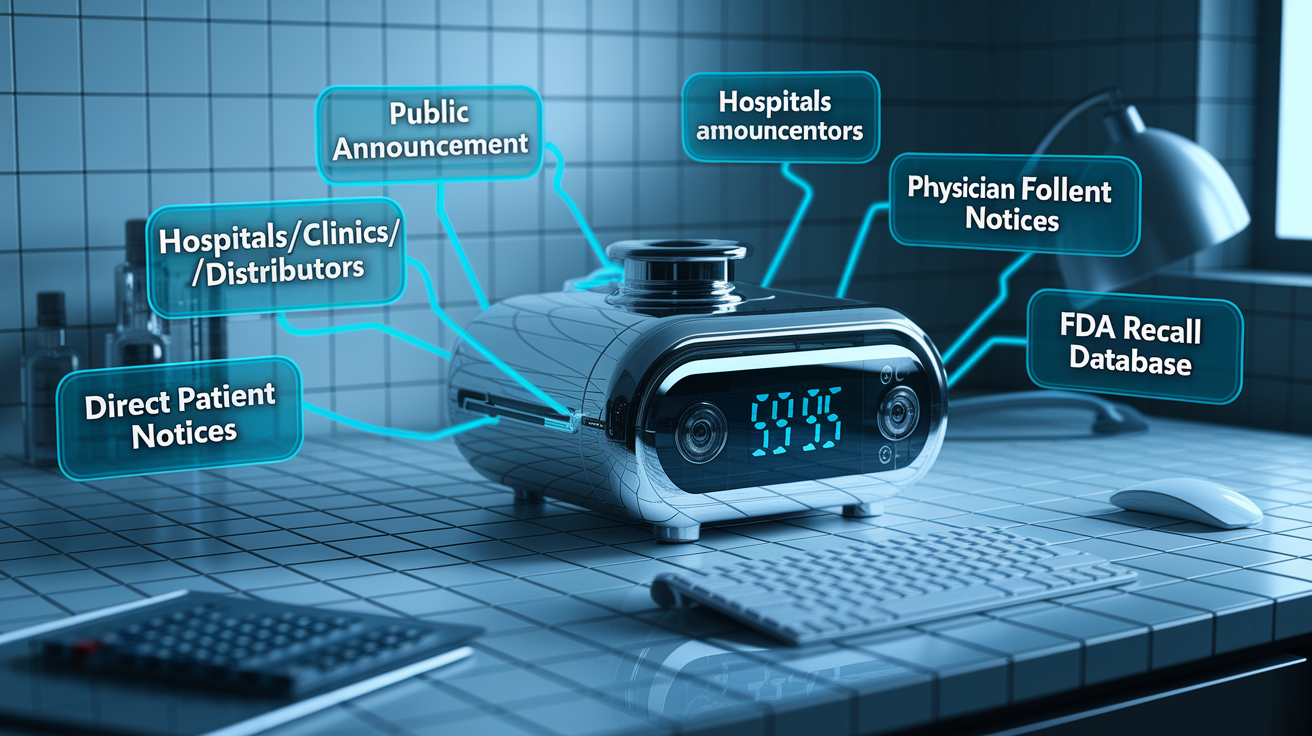
When a medical device recall hits, manufacturers usually kick off a formal notification sequence within hours or days. It starts with a public announcement, then moves to direct alerts sent to hospitals, clinics, and distributors that bought the device. If the device is registered to individual patients, manufacturers should reach out directly by mail or email. Physicians and clinics typically follow up with their own letters or phone calls, explaining what’s happening and what comes next. The FDA then posts the recall details on its public database so everyone can search for updates. In the first quarter of 2024, device recalls jumped by roughly 13.8% compared to earlier quarters, reflecting both sharper reporting and broader post-market surveillance across the board.
Consumers getting a recall notice are usually told to stop using the device right away if the recall involves serious safety concerns, or to keep using it with modified monitoring if the risk is lower. The notice will include critical device identifiers like serial numbers, lot numbers, and manufacture date ranges so you can confirm whether your specific unit is affected. Instructions vary. Some recalls require you to return the device for replacement or repair, others ask for disposal, and some simply recommend tighter monitoring or a software update. Checking these identifiers against the device packaging, registration card, or medical records is the fastest way to verify involvement.
First steps you should take:
- Read the full recall notice carefully to identify the product name, serial number, lot number, and specific actions required (return, repair, monitor, or stop using).
- Contact the physician, surgeon, or facility that provided or implanted the device to confirm your unit is affected and to talk through next steps.
- Document the serial and lot numbers from your device or its packaging, and keep all recall correspondence for insurance or reimbursement claims.
- Check the FDA recall database online to see the latest updates, classification, and any additional instructions posted after the initial announcement.
Understanding Recall Classifications and What They Mean for Your Device
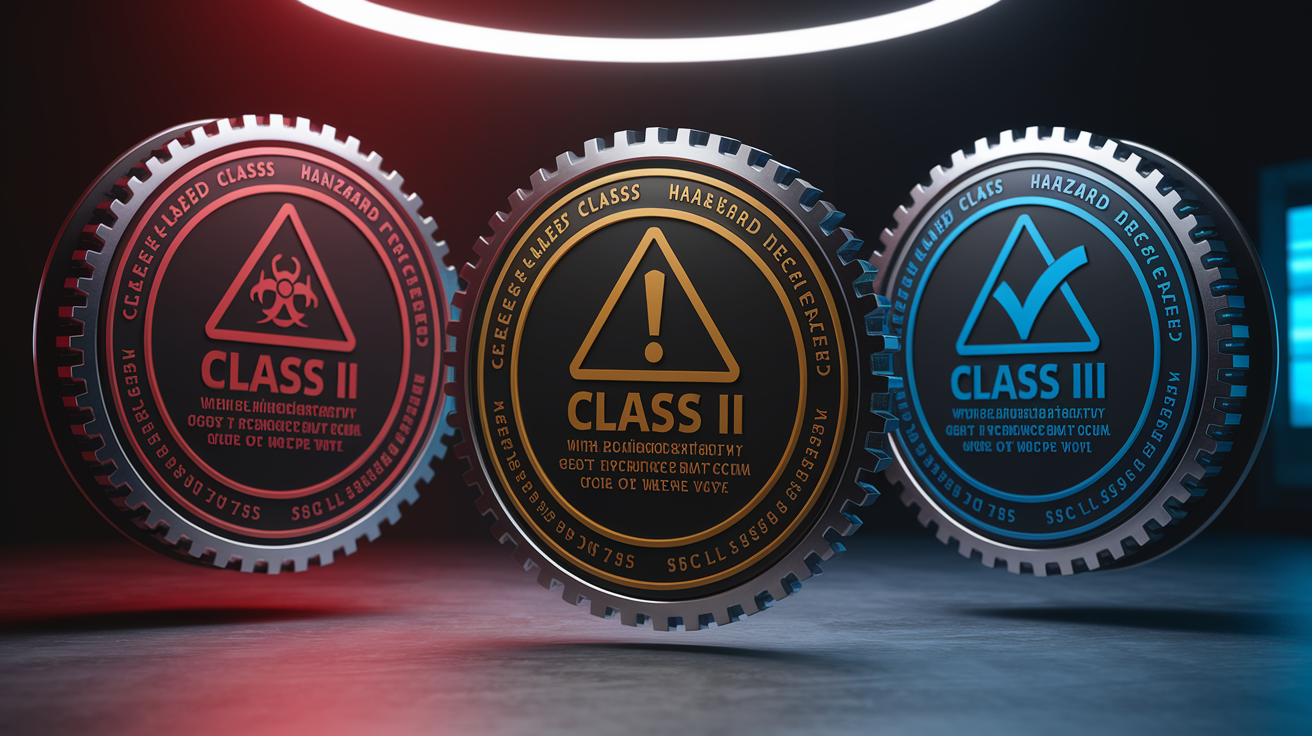
The FDA assigns every medical device recall to one of three classes based on the health hazard evaluation conducted after the issue is spotted. Class I recalls represent the highest risk. There’s a reasonable probability of serious adverse health consequences or death. Class II recalls involve devices that may cause temporary or medically reversible adverse health consequences, or where the probability of serious harm exists but is remote. Class III recalls cover situations in which use of or exposure to the device is unlikely to cause adverse health consequences. The classification appears in every public recall notice and guides how urgently you and your provider need to act.
Classification directly shapes what happens next for you. A Class I recall almost always requires immediate action: stopping use, returning the device, or scheduling removal or replacement. Providers prioritize outreach to Class I patients first and often recommend follow-up appointments within days. Class II recalls may allow continued use under closer monitoring, or may require a repair, software update, or exchange on a less urgent timeline. Class III recalls typically result in removal of unused inventory from shelves and updated instructions, but patients using the device may be advised simply to complete their treatment cycle and switch to an alternative at the next replacement interval.
Key effects of recall class on your actions:
- Class I: expect immediate contact from your provider, urgent instructions to stop use or schedule removal, and priority access to replacement devices or corrective procedures.
- Class II: anticipate a follow-up appointment, possible device inspection or software update, and clear monitoring guidance or modified use instructions.
- Class III: minimal disruption. Unused devices removed from inventory, and you may receive educational materials or updated labeling but rarely a mandate to return or replace your device.
Manufacturer Responsibilities After a Device Recall Is Issued

Once a recall begins, the manufacturer must conduct a root-cause investigation to figure out how the defect occurred and which production lots or distribution channels are affected. This investigation includes reviewing manufacturing records, quality-control test results, design specifications, and any complaints or adverse event reports filed before the recall. The findings feed directly into the field corrective action plan, which specifies whether devices will be retrieved, repaired on-site, updated via software patch, or monitored without physical intervention. Manufacturers document every step and share investigation summaries with the FDA to support the health-hazard evaluation and recall classification.
Manufacturers release technical service bulletins or safety notices to clinicians and service technicians, detailing how to identify affected units, how to perform corrective procedures if applicable, and what interim mitigation measures are safe while awaiting replacement inventory. These bulletins often include revised operating instructions, updated risk disclosures, and new training requirements for staff. The company also opens dedicated hotlines and web portals to handle questions from providers and consumers, track returned units, and coordinate shipments of replacement devices or repair kits. For high-volume recalls, manufacturers deploy field service teams to visit hospitals and clinics to inspect devices in person and perform corrections on-site.
Long-term responsibilities extend well beyond the initial notification wave. Manufacturers must monitor the recall’s effectiveness by tracking how many units have been returned, corrected, or accounted for, and report these figures to the FDA on a regular schedule. They implement corrective and preventive actions (CAPA) in their manufacturing processes to make sure the same defect doesn’t recur in future production runs, which may involve retooling assembly lines, revising supplier contracts, or redesigning components. They also update device labeling, user manuals, and training programs to reflect lessons learned. Throughout the process, manufacturers maintain detailed logs of every communication, shipment, and corrective action taken, which regulators may audit during inspections or as part of recall-effectiveness checks.
Core manufacturer actions post-recall:
- Complete a root-cause investigation using production records, complaints, and adverse event data, then document findings for regulatory submission.
- Develop and execute a field corrective action plan specifying retrieval, repair, replacement, update, or monitoring protocols and timelines.
- Issue technical service bulletins and safety notices to clinicians, service technicians, and distributors with step-by-step corrective instructions and interim mitigation guidance.
- Establish dedicated recall hotlines, web portals, and field service teams to coordinate returns, answer questions, and perform on-site device inspections or corrections.
- Implement corrective and preventive actions in manufacturing, update labeling and training materials, and report recall effectiveness metrics to FDA on an ongoing basis.
What Retailers and Healthcare Facilities Must Do After a Device Recall
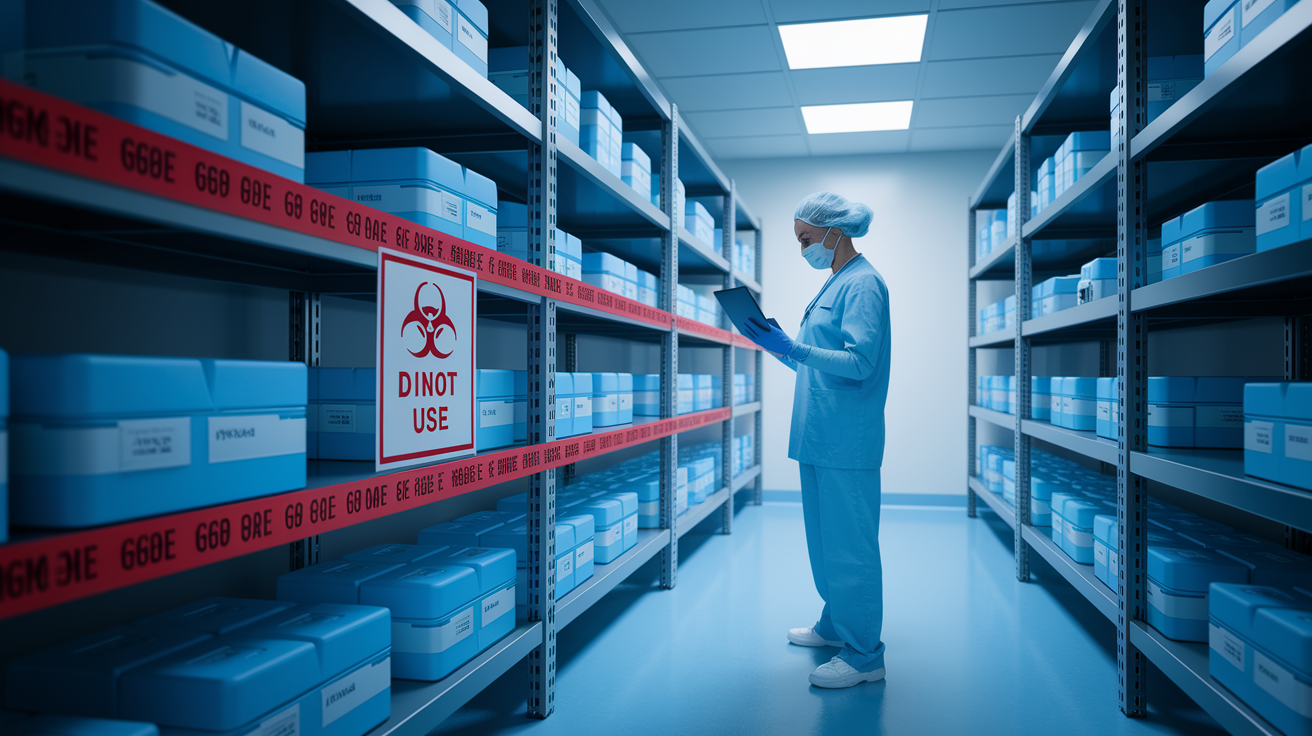
Hospitals, clinics, surgical centers, and retail distributors must immediately search their inventories to identify any units matching the recalled product name, serial numbers, lot numbers, or date codes listed in the manufacturer’s notice. This search covers devices in active use, units in storage rooms and supply closets, and shipments in transit or awaiting delivery. Once identified, staff must physically remove those devices from circulation and place them in a designated quarantine area where they can’t be accidentally dispensed or used. Each unit’s serial number, lot number, and removal date must be recorded in an inventory log, which serves as both an internal tracking tool and documentation for regulatory audits or liability defense.
Facilities coordinate with the manufacturer to follow specific handling and disposal instructions, which may include returning devices via prepaid shipping labels, destroying them according to biohazard or environmental protocols, or holding them on-site pending inspection by a field service technician. If a recalled device is currently implanted in a patient or in use during treatment, the facility contacts the patient’s care team to determine whether the device should be removed, monitored, or replaced according to the recall class and clinical risk. Facilities also notify their purchasing and supply-chain departments to block future orders of the affected product and to verify that any pending shipments are canceled or redirected.
Steps for retailers and healthcare facilities:
- Search all inventory locations (active use, storage, and in-transit shipments) using the product identifiers provided in the recall notice.
- Immediately quarantine affected devices in a secure, labeled area and document each unit’s serial number, lot number, and removal date in an inventory log.
- Follow manufacturer instructions for return, destruction, or on-site repair, and coordinate logistics such as prepaid return shipping or field service visits.
- Notify clinical staff and patient-care teams if recalled devices are implanted or in use, and follow medical protocols for patient notification, monitoring, or corrective procedures.
Consumer Options: Repair, Replacement, Refund, or Monitoring After a Device Recall
Many device recalls don’t require immediate removal from patients. The majority result in removal of unused inventory from shelves and implementation of enhanced monitoring or selective corrective procedures rather than blanket removal mandates. When the Allergan breast implant recall was issued due to a newly identified cancer risk, the company removed unused products from distribution, provided extensive patient education materials, and offered options for either continued monitoring or implant exchange rather than instructing all patients to undergo immediate explantation. This approach balances patient safety with the risks and costs of additional surgery or device changes.
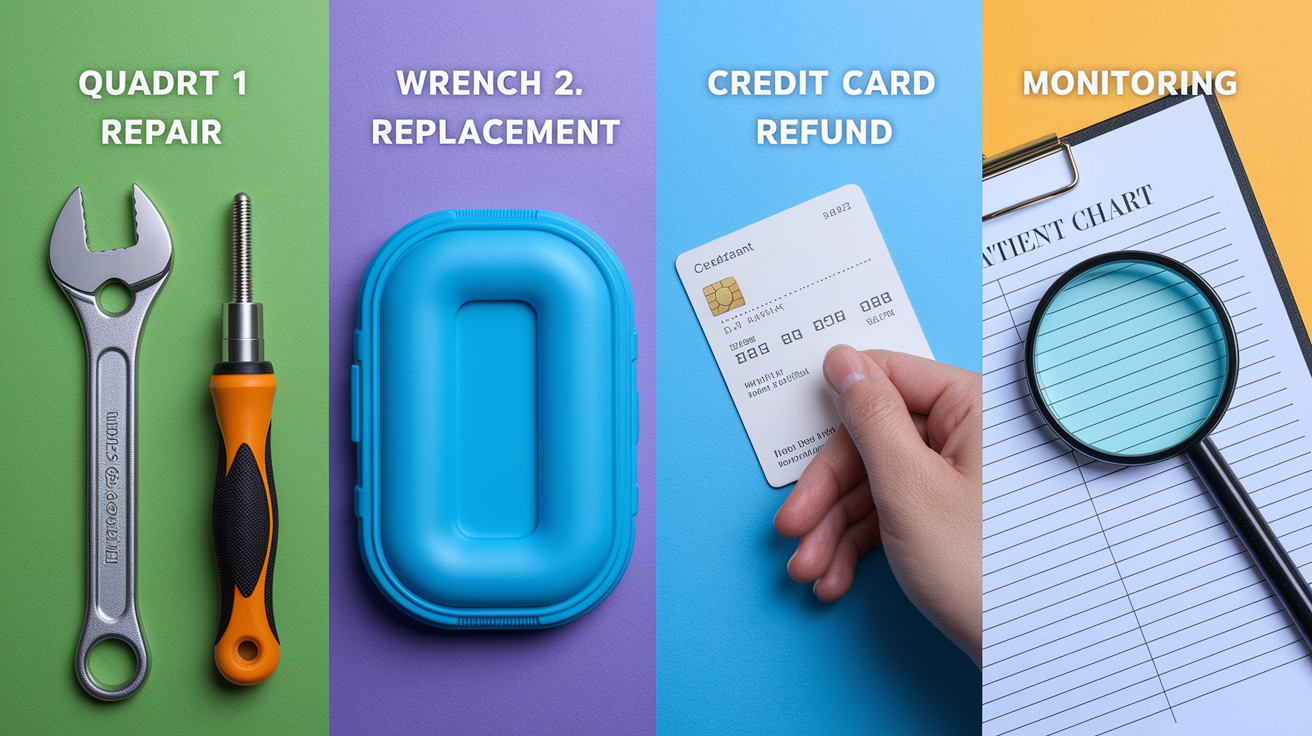
The remedy offered depends on the recall class and the nature of the defect. For devices that can be corrected without removal, manufacturers often send repair kits, software patches, or updated components directly to the healthcare facility or your home, along with step-by-step instructions or a technician visit. If the defect can’t be repaired, the manufacturer provides a replacement device at no charge to you, though you or your insurer may still be responsible for costs tied to the replacement procedure itself, such as surgical fees, anesthesia, and facility charges. Some manufacturers offer partial or full refunds, particularly for consumer devices purchased directly rather than through a clinical procedure. For devices already implanted, many recalls establish ongoing monitoring protocols (periodic imaging, lab tests, or clinical exams) that allow you to continue using the device under closer observation while the manufacturer collects additional safety data.
You should request clear, written information from the manufacturer about which remedies are available for your specific situation and what costs you’ll bear. If a device must be removed or replaced, the manufacturer typically covers the cost of the new device itself but not the associated medical services. You may need to file claims with your health insurer or, if significant out-of-pocket costs arise, pursue reimbursement directly from the manufacturer through negotiation or, in some cases, class-action litigation. For devices that can remain in place, the manufacturer should provide a written monitoring plan, including recommended test schedules, symptoms to watch for, and contact information for questions or adverse events.
| Option | When It Applies | Typical Outcome |
|---|---|---|
| Repair | Defect can be corrected without removing or replacing the entire device (for example, software update, component swap) | Manufacturer sends repair kit or technician to facility; device remains in service with corrected function |
| Replacement | Device can’t be repaired or defect affects core function; applicable to both implanted and external devices | Manufacturer provides new device at no charge; consumer or insurer pays for procedure/service fees if applicable |
| Refund | Device purchased directly by consumer (for example, CPAP machine, hearing aid) and return is feasible | Manufacturer refunds purchase price; consumer returns device via prepaid shipping |
| Monitoring | Risk is low or removal carries greater risk than continued use under observation (common for implants) | Manufacturer or provider issues monitoring plan with test schedule, symptom checklist, and reporting instructions |
How Consumers Are Notified and How to Verify If Their Device Is Included
You typically receive notification through multiple channels once a recall is classified and the manufacturer starts its field action plan. Registered device owners receive direct mail or email from the manufacturer, often within the first week after the recall announcement. Physicians, clinics, and hospitals send follow-up letters or make phone calls to patients who received the device through their care, using electronic health records and device registries to identify affected individuals. Consumers who purchased devices directly (such as CPAP machines or home diagnostic equipment) may see notifications on retailer websites, in-store signs, or through third-party recall alert services that monitor FDA announcements. The FDA’s recall database is updated continuously and is searchable by product name, manufacturer, recall date, and device classification.
Verification requires matching the specific serial number or lot number on your device to the identifiers listed in the recall notice. Serial numbers are usually printed on a label affixed to the device itself, etched into the casing, or listed on the original packaging and user manual. For implanted devices, serial and lot numbers appear on the surgical implant card or device registration form provided at the time of the procedure, and they’re also recorded in your medical chart. If you can’t locate these numbers, contact the physician or facility that provided the device. They’re required to maintain this information in your medical record. Once you have the serial and lot numbers, cross-reference them with the recall notice or enter them into the manufacturer’s recall-lookup tool, which many companies now host on dedicated recall web pages.
Public recall databases maintained by the FDA and some industry associations allow you to search by keyword, date range, or device category. The FDA database includes the recall classification, reason for recall, affected product identifiers, quantity distributed, and the manufacturer’s recommended actions. Checking the database weekly or subscribing to email alerts makes sure you receive updates if additional lots are added or if the recall is expanded or terminated. Some medical device manufacturers and distributors also operate online portals where registered users can enter their device serial number to receive automatic notifications and access recall-specific FAQs, return instructions, and monitoring guidance.
Steps to verify recall involvement:
- Locate your device’s serial number and lot number on the product label, packaging, user manual, surgical implant card, or medical record.
- Compare those numbers to the identifiers published in the manufacturer’s recall notice, available on the company’s website or in the letter you received.
- Search the FDA medical device recall database by product name or manufacturer to find the official recall entry and confirm your device is listed.
- Use any manufacturer-provided online lookup tool by entering your serial or lot number to receive an instant confirmation and specific next steps.
- Contact your healthcare provider if you can’t find your device identifiers. They must retrieve serial and lot numbers from your medical chart and verify recall status on your behalf.
Legal Rights, Responsibilities, and Liability After a Device Recall

Manufacturers are typically the primary defendants in product-liability litigation following a device recall, bearing responsibility for design defects, manufacturing errors, inadequate quality control, and failure to warn about known risks. When a recall is issued, the manufacturer’s legal obligations include timely notification to all purchasers and registered users, provision of clear corrective instructions, and cooperation with regulatory investigations and adverse-event reporting. Many manufacturers carry product-recall insurance to cover the costs of device replacement, legal settlements, and administrative expenses tied to large-scale recalls. Consumers injured by a recalled device may file individual lawsuits or join class-action litigation to recover damages for medical expenses, lost wages, pain and suffering, and corrective procedures.
Physicians and healthcare facilities face potential liability if they fail to act appropriately after receiving a recall notice and that failure results in patient injury. Specific triggers include failing to obtain informed consent before implanting a device, negligently installing or using the device in violation of labeled instructions, failing to notify patients in a timely manner after learning of a recall, and maintaining inadequate records or tracking systems that delay patient identification and outreach. Documentation is critical. Maintaining complete logs of recall notices received, patient communications sent, attempts to reach unreachable patients, and corrective actions taken provides both a compliance trail and a legal defense. If a physician can’t reach a patient, documenting at least two contact attempts by phone or email demonstrates good-faith effort.
Consumers are generally not held liable for defects in the device itself, but you do have responsibilities that affect your legal standing and potential recovery. You must follow the monitoring, return, or replacement instructions provided by the manufacturer and your healthcare provider. Failure to do so may limit recovery in a lawsuit if continued use after notice contributes to injury. You’re responsible for routine follow-up visit costs and any procedures not directly covered by the manufacturer’s corrective-action plan. These costs are typically billed to your health insurer. To recover out-of-pocket expenses not covered by insurance, you may need to negotiate directly with the manufacturer or file a claim in court. Maintaining records of all communications, receipts, medical bills, and copies of the recall notice strengthens any reimbursement or damages claim.
Key liability and rights considerations:
- Manufacturers bear primary legal and financial responsibility for device defects and must provide timely notification, corrective actions, and cooperation with regulatory oversight.
- Physicians and facilities may be liable if they fail to obtain informed consent, negligently implant or use a device, or fail to notify and follow up with patients after receiving a recall notice.
- Consumers must follow corrective instructions to preserve their legal standing and should document all communications, expenses, and attempts to comply with recall guidance.
- Out-of-pocket costs for follow-up care, monitoring, and corrective procedures are typically billed to insurers. Patients may pursue manufacturer reimbursement through negotiation, settlement, or litigation if costs are unrecoverable.
What Happens During Regulatory Oversight After a Recall Is Issued
The FDA’s role begins the moment a recall is announced, often working with the manufacturer during the pre-recall investigation to assess the health hazard and guide the scope of the corrective action. Once the recall is public, FDA staff assign a recall classification (Class I, II, or III) based on the agency’s independent health-hazard evaluation, which considers the nature of the defect, the populations at risk, and the likelihood and severity of adverse health consequences. This classification may differ from the manufacturer’s initial assessment. The FDA continuously monitors recall progress through regular status reports submitted by the manufacturer, which detail the number of units distributed, the number retrieved or corrected, and any adverse events reported since the recall began.
FDA investigators may conduct on-site inspections of the manufacturer’s facilities to review production records, quality-assurance protocols, complaint files, and corrective-action plans. These audits verify that the root cause has been identified and addressed, that manufacturing changes prevent recurrence, and that the company is complying with federal regulations governing device production and post-market surveillance. If the manufacturer’s voluntary actions are deemed insufficient or if patient safety requires faster intervention, the FDA has legal authority under the Federal Food, Drug, and Cosmetic Act to order a mandatory recall, specify corrective measures, and impose penalties including warning letters, consent decrees, or facility shutdowns. The agency also receives and analyzes adverse event reports filed by healthcare providers, patients, and manufacturers, using this data to determine whether the recall scope should be expanded or whether additional regulatory actions are warranted.
Monitoring, Follow‑Up, and When a Recall Is Considered Closed
After the initial corrective actions are completed, manufacturers and healthcare providers implement ongoing monitoring plans to track patient outcomes and device performance over time. For implanted devices that remain in patients, this monitoring typically includes scheduled imaging studies, laboratory tests, or clinical examinations at intervals specified in the recall guidance. You receive written instructions outlining the monitoring schedule, symptoms that warrant immediate contact with your provider, and reporting procedures for any new problems. Providers document each follow-up visit and report any adverse events to the manufacturer and the FDA, contributing to the post-market surveillance data that informs whether the recall was effective or whether further action is needed.
The FDA evaluates recall effectiveness through periodic audits of manufacturer reports, review of adverse-event data, and confirmation that the devices in question have been retrieved, repaired, replaced, or accounted for across the entire distribution chain. A recall is considered closed when the FDA determines that all reasonable efforts have been made to remove or correct the affected devices, that the corrective actions have successfully mitigated the identified hazard, and that the manufacturer has implemented preventive measures to avoid recurrence. Closure criteria include verification that healthcare facilities and distributors have cleared their inventories, that registered patients have been contacted and offered remedies, and that the rate of new adverse events has returned to acceptable levels or ceased. Once closed, the recall status is updated in the FDA database, and the manufacturer may resume normal production and distribution, subject to any new labeling, quality-control, or design requirements imposed as part of the corrective action.
Recall follow-up and closure milestones:
- Patients continue monitoring or follow-up care according to written schedules provided by manufacturers and clinicians, reporting new symptoms or device issues promptly.
- Manufacturers track corrected and retrieved units, submit periodic effectiveness reports to FDA, and update post-market surveillance programs to capture long-term outcomes.
- FDA audits manufacturer reports, reviews adverse-event trends, and inspects facilities to confirm corrective and preventive actions are working and that distribution channels are clear before issuing recall closure.
Final Words
After a recall notice, manufacturers notify facilities and registered patients, clinics follow up, and the FDA posts the listing, and recalls rose about 13.8% in Q1 2024. The piece walked through that notification flow and the first-day steps.
You saw consumer actions (stop use, check serial/lot numbers, follow instructions), manufacturer duties (investigate, fix, issue guidance), retailer and facility quarantine steps, and verification routes.
If you’re wondering what happens after device recall issued, follow the checks above and stay updated, and you’ll be safer and better prepared.
FAQ
Q: How long does it take to hear back from a recall?
A: Hearing back from a recall typically takes a few days to several weeks. Manufacturers announce first, then facilities and registered patients are notified; clinics may follow with calls. Urgent recalls move faster; timelines vary by severity.
Q: Is it illegal to sell an item that has been recalled?
A: Selling a recalled item can be illegal depending on jurisdiction and recall instructions. Retailers and distributors must quarantine and stop sales, follow manufacturer or FDA handling, and may face penalties if they don’t comply.
Q: Has metoprolol been recalled?
A: Whether metoprolol has been recalled changes over time; check the FDA’s current recall list, your pharmacy or prescriber, and any lot/serial numbers on your medication to confirm if your supply is affected.
Q: What does it mean when a recall is issued?
A: When a recall is issued it means a manufacturer or regulator identified a defect or safety risk and is asking for actions like stopping use, returning, repairing, replacing, or monitoring the device; severity guides the next steps.