
Could Nintendo force Palworld to rewrite core gameplay?
Nintendo and The Pokémon Company sued Pocketpair over three capture-and-ride patents, and they just amended one claim in the middle of the case.
Pocketpair filed briefs this February arguing prior art and has pushed patches to change suspect mechanics.
This matters to players and developers: a ruling could reshape Palworld’s capture and mount systems and set a legal precedent for game patents.
Watch court filings, patent updates, and future patches to see which changes stick.
Latest Developments in the Palworld Lawsuit Against Pocketpair
Nintendo and The Pokémon Company filed their patent lawsuit against Pocketpair back in September 2024. They’re going after three specific patents, all related to how you catch monsters and switch between riding them in Palworld. The case is still working its way through Japanese courts as of February 2025. No final ruling yet, no settlement, no public trial dates. Both sides keep filing legal briefs and technical arguments while the pre-trial stuff grinds forward.
Nintendo just amended one of the patents in the middle of all this. Happened within the last month, according to court filings. They changed the wording on the ride-switching patent, though what that actually means is still being picked apart by legal watchers. When you amend a patent during active litigation, there are strict rules. You can’t add new technical concepts that weren’t in the original filing.
Pocketpair dropped a bunch of preparatory briefs in February 2025. Their argument? Prior art. They’re pointing to their earlier game Craftopia and several other titles as proof that these capture mechanics existed before Nintendo even filed for the patents. The developer’s saying the patents shouldn’t have been granted in the first place. That’s become a major piece of their defense, along with the gameplay changes they’ve made and just flat-out denying they infringed anything.
Where things stand right now:
- No court dates or trial schedule announced as of February 2025
- Nintendo rewrote part of their patent within the past 30 days
- Pocketpair’s February briefs are now filed, loaded with prior art evidence
- Game patches and legal filings both happening at the same time while this plays out
Key Patent Claims at the Center of the Palworld Legal Dispute
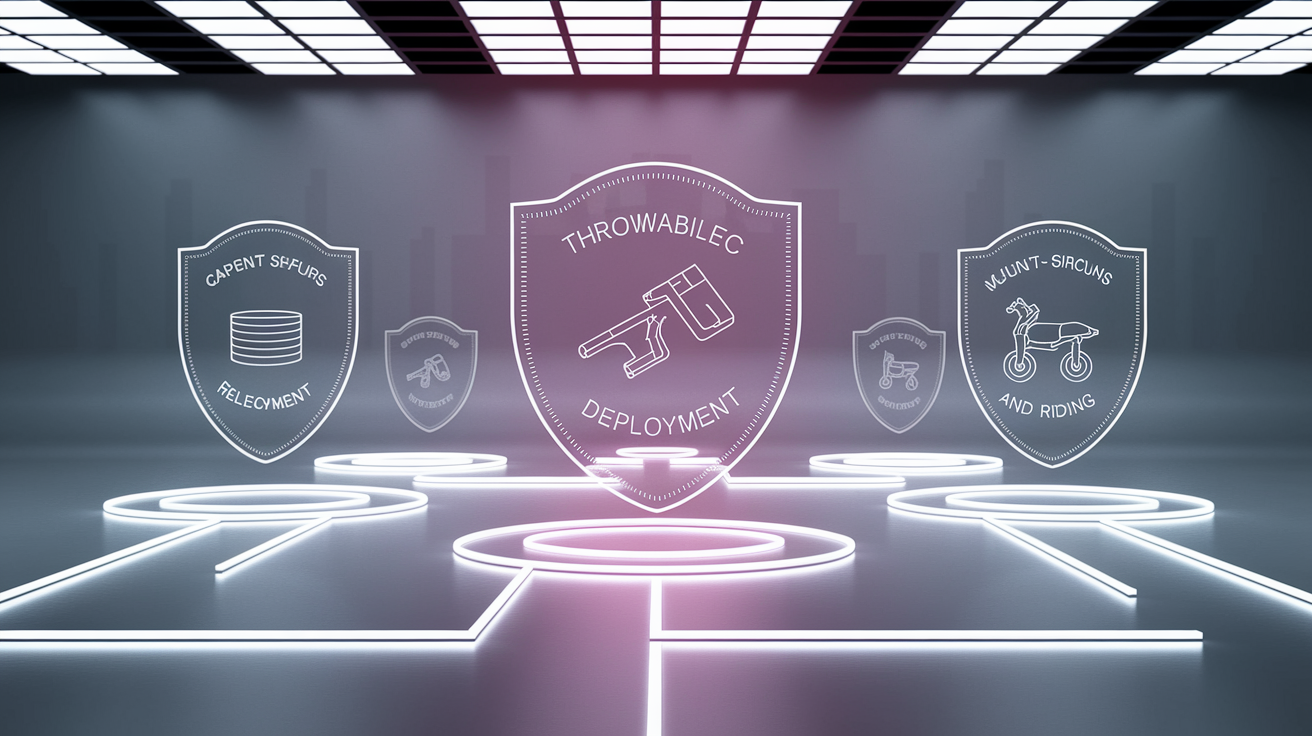
The lawsuit centers on three patents registered with the Japan Patent Office. They cover specific gameplay mechanics. Two of them deal with monster capture and release systems. The technical process of using throwable items to catch characters in a virtual space, then deploying those captured characters during gameplay. The third patent? Riding and boarding mechanics. The ability for players to mount characters and switch between different rideable objects in the game. All three patents were filed with the JPO in 2024, but here’s the thing: they’re divisional patents. They trace back to earlier Nintendo applications from 2021.
Nintendo’s recent amendment to the ride-switching patent added a Japanese phrase that translates roughly to “even when.” Legal experts are noticing that mid-case patent amendments usually mean someone’s worried about potential invalidation challenges. You generally reword claims when the original language faces a pretty high risk of getting struck down. The amendment has to follow legal restrictions. Can’t introduce new technical matter beyond what was in the original application. Adding subjective language like “even when” is considered unusual in patent drafting. That kind of phrasing can invite extra scrutiny from courts looking at claim scope and validity.
The divisional nature makes the legal analysis messier. Since the 2024 filings go back to 2021 applications, courts have to evaluate both the original parent patents and the newer divisional claims when they’re assessing validity and infringement. Prior art that existed before 2021 becomes relevant to all three patents, regardless of when they were actually filed in 2024.
| Patent Number | Claim Focus | Filing Year | Divisional Origin | Legal Commentary |
|---|---|---|---|---|
| JPO Patent 1 | Monster capture mechanics using throwable items | 2024 | Derived from 2021 Nintendo patent | Targets Pal Sphere summoning system |
| JPO Patent 2 | Monster release and deployment systems | 2024 | Derived from 2021 Nintendo patent | Covers character deployment post-capture |
| JPO Patent 3 | Riding/boarding mechanics and mount switching | 2024 | Derived from 2021 Nintendo patent | Recently amended with “even when” language |
| Amendment Status | Ride-switching patent reworded | February 2025 | No new technical matter permitted | Experts view as defensive against invalidation risk |
| Contradiction Risk | “Boardable character” vs. tool definition | Ongoing analysis | May conflict with prosecution history | Post-patch Glider tool may fall outside claim scope |
Timeline of Patches and Game Changes Connected to the Palworld Lawsuit
Palworld launched January 19, 2024. Sold 8 million copies in six days. Over 25 million players within a month. After Nintendo and The Pokémon Company made their public scrutiny announcement in January 2024 and filed the formal lawsuit in September 2024, Pocketpair started implementing gameplay modifications. These changes directly address the mechanics described in the asserted patents. Standard design-around practices, really. Common in patent litigation. Defendants alter their products to avoid infringing specific patent claims while keeping core functionality intact.
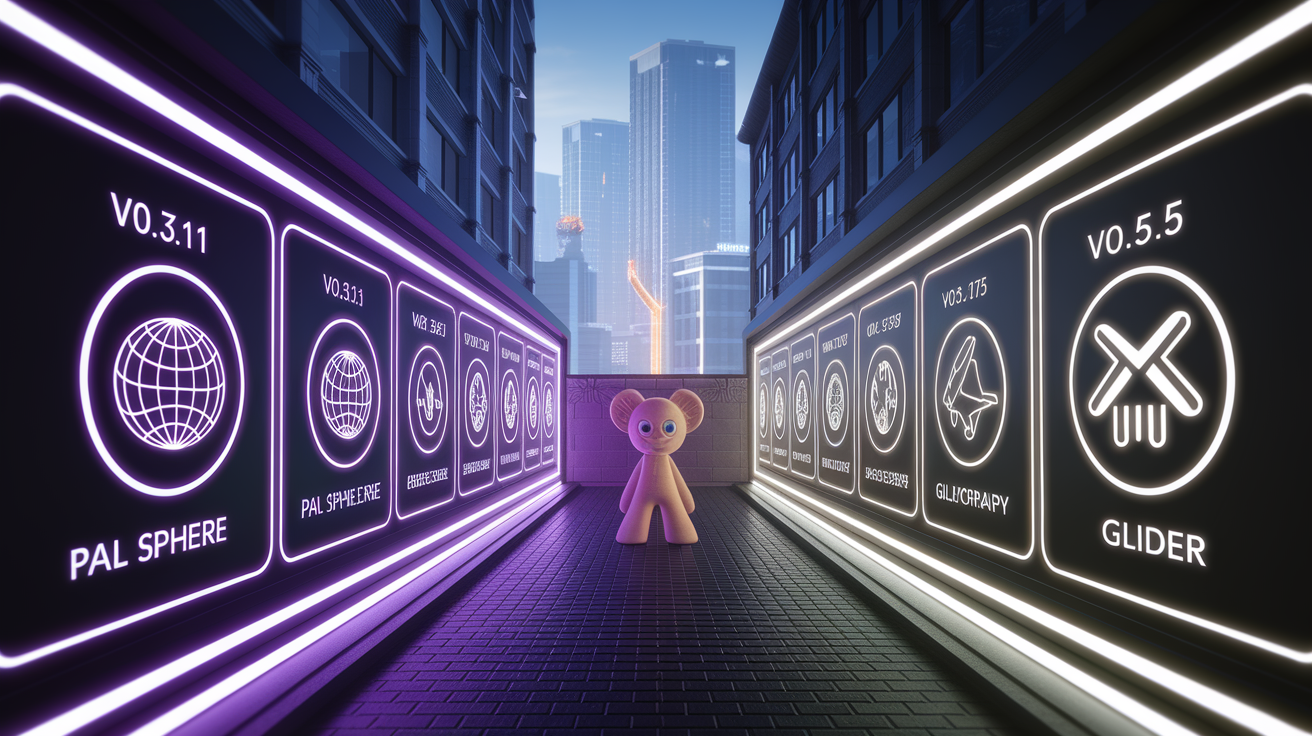
Patch v0.3.11 dropped November 30, 2024. It removed the ability to summon Pals by throwing Pal Spheres. Those throwable capture items that worked a lot like the mechanics in Nintendo’s capture and release patents. After this patch, summoned Pals just materialize next to your character instead of being deployed via the sphere-throw animation. Pocketpair said several other mechanics got altered too, aiming to reduce overlap with the patent claims. The developer called the changes disappointing and apologized to players for disruptions caused by the ongoing litigation.
An earlier modification came through Patch v0.5.5 in May 2024. This changed gliding mechanics before the formal lawsuit was even filed, but after public IP scrutiny began. Before this update, you could grab onto and hang from Glider Pals, using the creatures themselves as gliding vehicles. The May patch shifted gliding to an equipment-based system. Now you need to carry a Glider item in your inventory to glide. Pals in your team only provide passive stat buffs rather than serving as the physical glide vehicle. Pocketpair explained these changes aim to prevent greater deterioration of gameplay and minimize further disruptions to Palworld’s development roadmap and future content.
Specific gameplay changes made in response to patent claims:
- Removed throwable Pal Sphere summoning animation (Patch v0.3.11, November 30, 2024)
- Changed Pal deployment to static spawn beside player (Patch v0.3.11, November 30, 2024)
- Shifted gliding from Pal-based to equipment-based system (Patch v0.5.5, May 2024)
- Converted Glider Pals from rideable vehicles to passive buff providers (Patch v0.5.5, May 2024)
- Eliminated player mechanic of grabbing and hanging from flying Pals (Patch v0.5.5, May 2024)
- Maintained core monster-collecting and base-building gameplay while modifying patent-relevant mechanics
Pocketpair’s Legal Strategy and Defense Arguments in the Palworld Case

Pocketpair’s going with a three-pronged defense. Japanese patent attorneys tracking the case have identified the approach. First prong: direct denial of infringement. They’re arguing Palworld’s mechanics don’t fall within the scope of Nintendo’s patent claims when you read them properly. Second prong: challenging patent validity. They’re asserting the patents shouldn’t have been granted because of prior art that predates Nintendo’s 2021 original filings. Third prong: active game modifications that design around the asserted claims. Creating distance between current gameplay and the patent specifications even while litigation rolls on.
The February 2025 preparatory briefs Pocketpair filed focus heavily on the invalidity arguments. They’re presenting evidence that the contested mechanics existed in publicly available games before Nintendo’s patent priority dates. This filing represents a standard procedural step in Japanese patent litigation. Parties outline their substantive arguments before full trial proceedings. Pocketpair described the lawsuit and resulting gameplay changes as disappointing. They emphasized the modifications weren’t an admission of infringement but a practical measure to protect ongoing development and future content while the case works through the court system.
The developer keeps releasing new content for Palworld during the litigation. A Terraria crossover got announced in recent weeks. This continued development activity shows Pocketpair’s intention to maintain and expand the game regardless of litigation outcomes. Though the company acknowledged certain mechanics may need to be permanently altered or removed depending on court rulings. The combination of legal defense and proactive design changes reflects a strategy aimed at reducing risk while preserving the core gameplay experience that attracted over 25 million players in the game’s first month.
Prior Art Claims and Evidence
Pocketpair’s invalidity arguments center on prior art evidence from multiple sources. They’re saying the contested mechanics were publicly known before Nintendo’s 2021 patent filing dates. The most significant piece of evidence in the February briefs? Craftopia. Pocketpair’s own earlier title that featured monster-catching mechanics using throwable capture devices. By referencing its own prior game, Pocketpair argues that the capture and release systems described in Nintendo’s patents lack the novelty required for patent protection under Japanese law.
The preparatory briefs also reference multiple other games with similar mechanics that predate Nintendo’s 2021 filings. Specific titles beyond Craftopia haven’t been publicly disclosed in available court documents. Prior art challenges require defendants to prove the claimed invention was either publicly known or obvious to a person skilled in the relevant technical field at the time of the patent application. If Pocketpair successfully demonstrates that the capture, release, and riding mechanics were already present in prior games, the patents could be invalidated entirely. That would resolve the infringement question without needing to prove non-infringement.
Nintendo’s Patent Rewording and Its Implications for the Palworld Lawsuit

Nintendo’s mid-case amendment to the ride-switching patent happened within the past month. They added a Japanese phrase translating to “even when” to the claim language. Patent amendments during active litigation are permitted under Japanese patent law but face strict limitations. You can’t introduce new technical matter or broaden the invention beyond what was disclosed in the original application. The rewording made the claim language more verbose and technically detailed. Legal experts note that such mid-case changes typically signal concern about the patent’s vulnerability to invalidation challenges.
Adding subjective language like “even when” is considered unusual in patent drafting. Claims are typically written with precise technical language that avoids ambiguous or interpretive phrasing. IP consultants monitoring the case have observed that applicants generally reword claims when the original language is at relatively high risk of being struck down by courts or patent examiners. The specific phrase “even when” appears to broaden the conditions under which the patent applies to riding and boarding mechanics. Potentially covering scenarios where players switch between different rideable objects or transition between mounted and unmounted states.
What experts are saying about Nintendo’s patent rewording:
The amendment likely indicates Nintendo’s legal team identified invalidation risks in the original claim language. Particularly regarding prior art that may demonstrate similar riding mechanics in earlier games.
Legal commentators are pointing out a potential contradiction risk. Nintendo’s earlier patent prosecution arguments reportedly distinguished “boardable characters” (creatures) from tools or equipment. But Palworld’s current Glider system uses an equipment item rather than a Pal character for gliding.
If Nintendo now argues that a Glider tool qualifies as a “boardable character” under the amended patent, this position could contradict its prior prosecution history. They specifically defined boardable characters as living creatures to distinguish the invention from prior art.
Japanese lawyers analyzing the case point out that Palworld’s pre-May 2024 mechanics where players grabbed and hung from Glider Pals may have more clearly overlapped with the ride patent’s specifications than the current equipment-based gliding system. That potentially weakens Nintendo’s infringement claims against the updated game version.
Potential Outcomes and What the Palworld Lawsuit Means for Players
Palworld’s still fully available on PC and Xbox Series X|S. No indication the game will be removed from sale or shut down during litigation. Pocketpair’s chosen to implement changes through patches rather than pulling the game from digital storefronts. The developer keeps supporting the title with new content updates, including cross-play functionality and cooperative multiplayer for 1-4 players locally or up to 32 players on dedicated servers. Standard platform refund policies apply. Steam’s two-hour play window and Xbox’s digital purchase return policies remain in effect. No special refund provisions tied to the lawsuit.
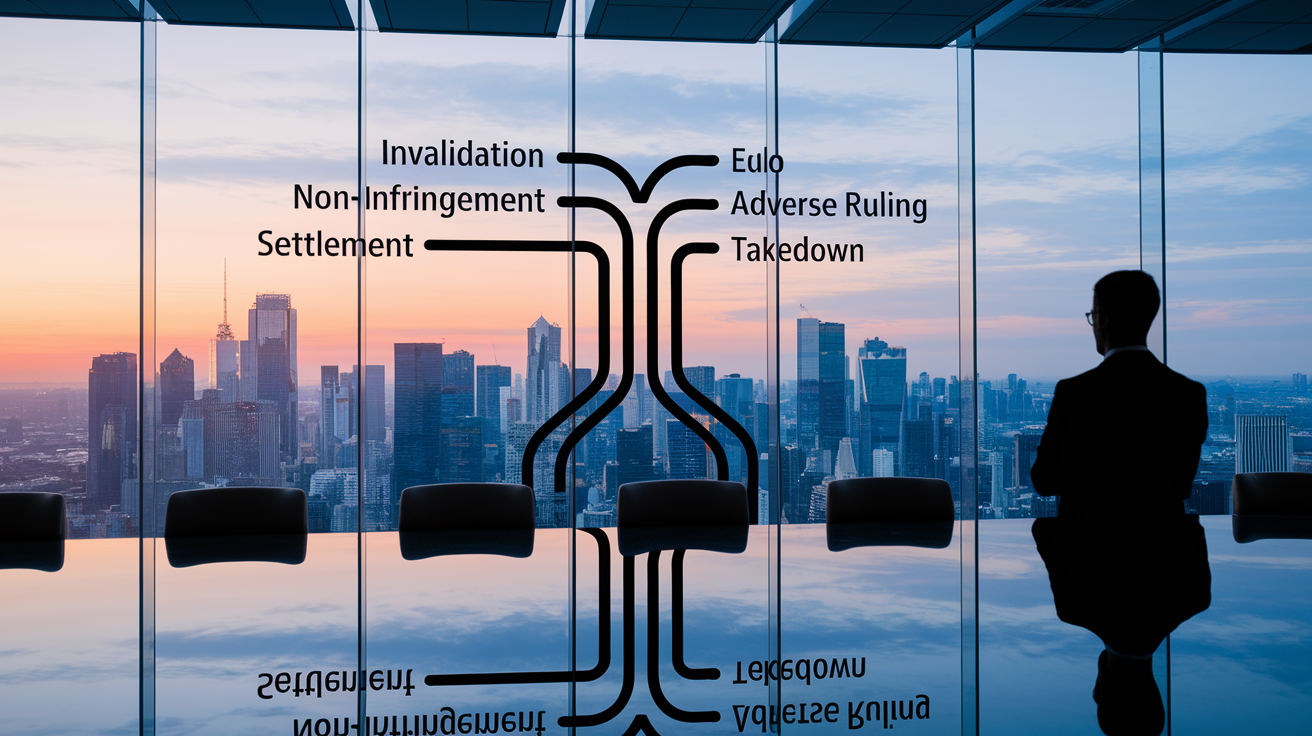
The legal community monitoring the case has identified several possible outcomes. No settlement, injunction, or trial date has been publicly announced. Patent invalidation remains a strong possibility if Pocketpair’s prior art arguments succeed. That would resolve the case entirely in the developer’s favor. Courts could also find that Palworld’s modified mechanics no longer infringe the asserted patents. Particularly given the May 2024 and November 2024 design changes that moved away from throwable summoning and character-based gliding. Settlement or licensing agreements represent another potential resolution, though neither party has indicated willingness to negotiate publicly.
An adverse ruling against Pocketpair could require further design modifications. Worst case scenario: financial damages and ongoing royalty payments to Nintendo and The Pokémon Company. But analysts consider a full game takedown unlikely. Similar monster-catching and riding mechanics appear in numerous commercially available games. And Pocketpair has demonstrated its ability and willingness to alter gameplay quickly in response to legal concerns. The precedent-setting nature of this case for the broader gaming industry means both parties face pressure to establish clear boundaries. Where’s the line between patentable game mechanics versus common genre conventions that should remain available to all developers?
| Outcome | Likelihood | Impact on Gameplay | Impact on Availability | Notes |
|---|---|---|---|---|
| Patent invalidation | Moderate to high (depends on prior art evidence strength) | Current mechanics could be restored | No change; game remains available | Pocketpair’s Craftopia evidence is central to this outcome |
| Non-infringement finding | Moderate (current patches may provide sufficient distance) | Current modified mechanics remain as-is | No change; game remains available | May 2024 and November 2024 patches strengthen this defense |
| Settlement or licensing deal | Unknown (no public negotiation signals) | Terms would dictate any further changes | Game availability maintained under agreement | Could involve royalty payments without gameplay impact |
| Adverse ruling requiring changes | Low to moderate (Nintendo’s patent rewording suggests concern) | Additional mechanics may need modification | Game remains available with further patches | Pocketpair has proven ability to implement quick design-arounds |
| Full game takedown or injunction | Very low | Game would be pulled from platforms | Sales halted; existing installs may continue functioning | Unlikely given prevalence of similar mechanics industry-wide |
Final Words
In the action, this post laid out the case posture after Nintendo’s September 2024 filing, the three disputed patents, Nintendo’s mid-case rewording, Pocketpair’s February 2025 briefs arguing prior art, and patches that changed summoning and gliding.
What it means: litigation is active with no final ruling, servers remain online, and Pocketpair is using both legal and design responses.
Watch official filings and patch notes. The palworld lawsuit update will keep changing, but for now you can keep enjoying the game and follow patches as they arrive.
FAQ
Q: What happened with the Palworld lawsuit, and is Nintendo losing the lawsuit against Palworld?
A: The Palworld lawsuit is a Japan suit filed by Nintendo and The Pokémon Company alleging patent infringement; the case remains active with no ruling or settlement, so there’s no clear sign Nintendo is losing.
Q: What has changed in Palworld since the lawsuit?
A: Palworld has changed summons and gliding: Patch v0.3.11 (Nov 30, 2024) removed throwable Pal Sphere summons, and Patch v0.5.5 (May 2024) made gliding a Glider item with Pals providing passive buffs.
Q: Is Nintendo suing the US?
A: Nintendo is not suing the US; the suit was filed in Japan in September 2024 against Pocketpair, and there are no public reports of a separate U.S. lawsuit.