What if the medical device keeping you alive right now was part of a recall, and nobody told you? The FDA classifies device recalls into three levels (Class I, II, and III) based on how dangerous the problem is and how fast everyone needs to act. Understanding these classifications helps patients, healthcare providers, and manufacturers know whether a device needs immediate removal, a quick fix, or just updated paperwork. Here’s how the FDA decides which class a recall gets, what happens next, and where you can check if a device you use is affected.
Understanding the Three FDA Recall Classes: A Complete Comparison
The FDA sorts medical device recalls into three classes based on how dangerous they are. This helps manufacturers, doctors, and patients figure out how fast they need to act when a device turns out to be unsafe or breaks FDA rules.
| Recall Class | Risk Level | Health Consequences | Examples | Notification Requirements |
|---|---|---|---|---|
| Class I | Highest risk | Reasonable probability of serious injury or death | Malfunctioning defibrillators, faulty infusion pumps, defective implants | Immediate public notification, direct healthcare provider alerts |
| Class II | Moderate risk | Temporary or reversible adverse health consequences | Defective syringes, surgical tools, diagnostic devices | Healthcare provider notification, FDA database posting |
| Class III | Minimal risk | Remote likelihood of adverse health consequences | Labeling errors, packaging mistakes, cosmetic defects | FDA database posting, regulatory compliance updates |
The class determines what manufacturers have to do next. Class I means pull the device immediately and contact patients directly. Class II might let you fix things in the field or just change how people use it. Class III usually means updating paperwork or making small fixes without yanking devices off shelves.
You can check current recalls through the FDA Medical Device Recalls Database, which updates in real time. If you’re outside the U.S., look into the EU Medical Device Regulation Guidance for similar systems.
Manufacturers do the first assessment when something looks wrong. But the FDA makes the final call through formal health hazard evaluations, which keeps classification consistent across the industry.
How the FDA Determines Recall Classification Levels
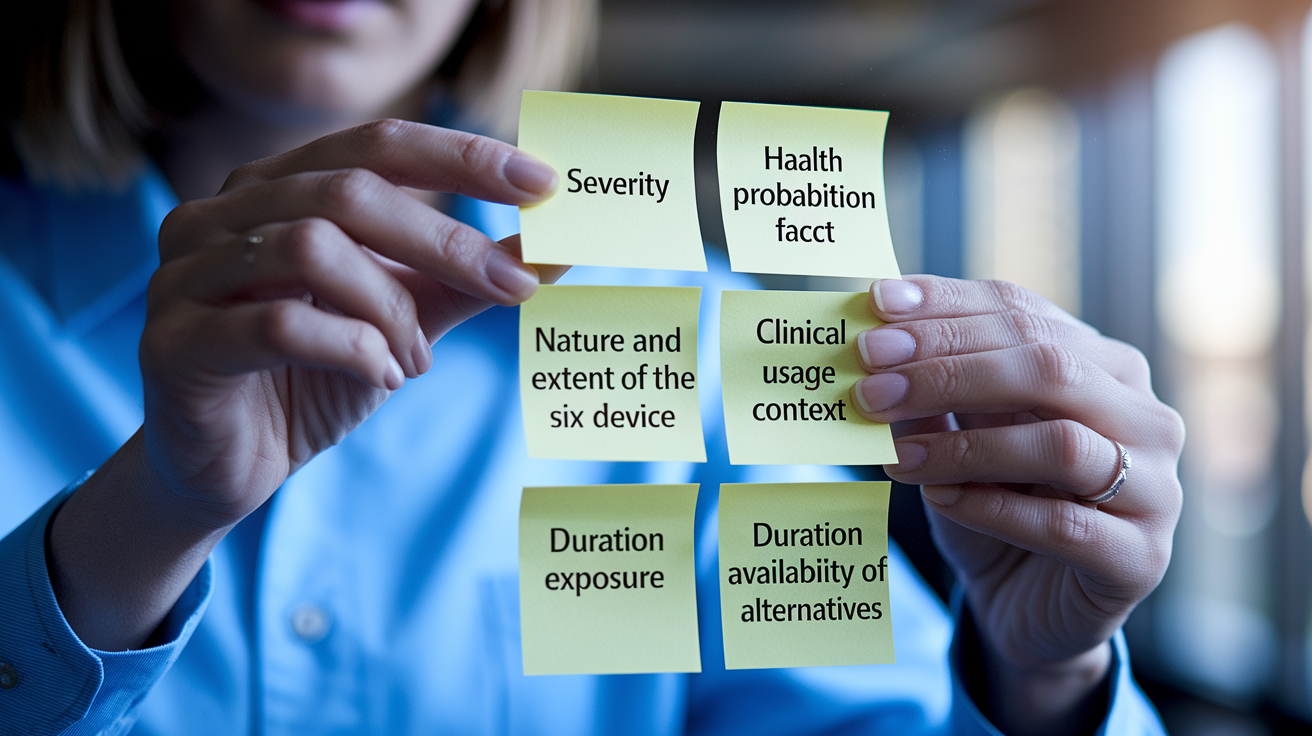
The FDA runs a detailed health hazard evaluation for every recall to figure out which class it belongs in. They’re weighing multiple factors to make sure the classification matches the actual danger to patients.
Here’s what they look at:
-
Severity of potential health consequences. They consider the worst thing that could happen, from mild irritation all the way to death.
-
Probability that harm will occur to patients. How likely are people to actually get hurt based on how the device is failing and how often it’s used?
-
Nature and extent of the device defect. What exactly broke, and how does that mess with the device doing its job safely?
-
Clinical usage context and patient population. A device used in the ICU or with fragile patients gets more scrutiny than something with limited impact.
-
Duration of patient exposure to the defective device. Long exposure or permanent implants raise the stakes compared to single use devices.
-
Availability of alternative treatment options. When there’s no other option, the FDA has to balance using a flawed device against having nothing at all.
The FDA works with manufacturers through this process. Companies submit adverse event reports, malfunction data, root cause analysis, technical files, quality records, and clinical data to support the evaluation.
Classification drives everything that happens next. It sets the timeline, shapes public communication, and determines how much firepower manufacturers need to throw at fixing the problem.
Manufacturer Responsibilities and Compliance Requirements

Manufacturers own the job of finding safety problems and running recalls properly. The FDA Recall Guidance for Firms lays out what the agency expects and provides templates for staying compliant.
Finding issues starts with solid post-market surveillance. That means testing production batches continuously, watching customer complaints for patterns, and maintaining systems that track real world device performance. Medical Device Reporting rules say manufacturers have to file reports fast when they learn their device might have caused death, serious injury, or malfunctioned in ways that could.
| Recall Class | Notification Timeline | Required Actions | Reporting Frequency |
|---|---|---|---|
| Class I | Within 24 hours | Immediate market removal, direct patient contact, public announcements | Daily progress reports |
| Class II | Within 5 business days | Field corrections or removal, healthcare provider alerts | Weekly progress reports |
| Class III | Within 10 business days | Corrective labeling, documentation updates | Monthly progress reports |
What you actually do depends on the class and what’s wrong. Market removal means getting devices back from distributors, hospitals, sometimes even patients. Repair programs send techs out to fix broken parts on site. Replacement swaps bad units for corrected ones. Usage modifications give new instructions or software updates that reduce risk without touching the hardware. Refunds compensate people returning devices that can’t be fixed safely.
Tracking progress takes serious documentation. You need records showing which affected devices got located, fixed, or pulled from use. Serial numbers, distribution lists, contact logs, verification that corrections actually happened. The FDA reviews these to see if you’re making real progress or need to do more.
And you have to fix whatever caused this so it doesn’t happen again. Review your design controls, supplier checks, manufacturing process, testing protocols. Find where it broke down and prevent it next time.
FDA Oversight and Enforcement in Device Recall Management
The FDA watches device safety through Medical Device Reporting, which collects reports about adverse events, malfunctions, and safety issues. Manufacturers file reports when their devices may have caused death or serious injury, or malfunctioned in ways that could if it happens again.
MedWatch lets healthcare pros, patients, and caregivers report problems directly to the FDA. Post-market surveillance hits high risk devices especially hard, requiring manufacturers to run ongoing studies tracking real world performance and catching safety signals that didn’t show up in pre-market testing. This data helps the FDA spot patterns worth acting on.
Most recalls start voluntarily. Manufacturers find a problem and tell the FDA. But the agency can force recalls when companies won’t act despite clear health risks. Mandatory recalls are rare, but they show the FDA has teeth when manufacturers won’t do the right thing.
Here’s what enforcement looks like:
- Warning letters for non-compliance. Formal notices documenting violations and demanding fixes within specific timeframes.
- Consent decrees for serious violations. Legal agreements enforceable in federal court that lock manufacturers into specific actions and ongoing monitoring.
- Facility inspections and audits. Surprise visits to verify manufacturing practices, quality systems, record keeping.
- Quality System Regulation enforcement. Requirements for design controls, process validation, supplier oversight, corrective and preventive systems.
The FDA stays on top of manufacturer actions throughout recalls to make sure problems get fully resolved. That includes reviewing progress reports, running effectiveness checks, and verifying that companies made every reasonable effort to remove or fix defective devices and notify everyone affected.
Recall Notification Methods and Public Communication

The FDA Medical Device Recall Database is where the public goes first for recall info. You can search for product details like device names and manufacturers, why it got recalled and what’s defective, what actions the manufacturer’s taking, which lot or serial numbers are affected. It updates constantly as new recalls start and existing ones move toward resolution.
Every week the FDA puts out an Enforcement Report compiling company press releases and recall announcements. It’s a snapshot of recent regulatory actions across all products, helping doctors, reporters, and safety watchdogs stay current on emerging device issues.
| Notification Method | Target Audience | Information Provided | Timing |
|---|---|---|---|
| FDA Recall Database | General public | Device details, recall class, actions | Ongoing updates |
| Enforcement Report | Public/media | Company announcements, recall scope | Weekly |
| Direct healthcare provider alerts | Clinicians/facilities | Patient safety instructions, device identification | Immediate for Class I |
| Patient notification letters | Device users | Personalized instructions, return procedures | Varies by class |
| Manufacturer press releases | All stakeholders | Company response, corrective actions | As issued |
How urgent and widespread notification gets scales with severity. Class I triggers immediate, multi-channel campaigns to reach everyone potentially affected. Class II and III might use narrower targeting based on who’s at risk and what the problem is.
Patient and Healthcare Provider Response to Recall Notifications

Pay attention to recall notices no matter what class they are. Even Class III recalls with minor issues need a look to see if your specific device or lot is affected.
When you get a recall notification:
-
Read it carefully to understand what devices and risks are involved, including model numbers, serial numbers, and manufacturing dates.
-
Check if your device is affected by matching model and serial numbers against what’s in the notice. Usually found on device labels or packaging.
-
Contact the manufacturer using their provided info if you can’t tell whether your device is included.
-
Talk to your doctor before stopping use of critical devices like pacemakers, insulin pumps, ventilators. Sometimes stopping is riskier than the recall issue.
-
Follow manufacturer instructions exactly for returning, repairing, or replacing the device. Shipping, documentation, timelines.
-
Document everything about the recall. Dates of calls, names of reps, confirmation numbers for returns or service.
-
Watch for health changes and tell your doctor immediately, especially symptoms that could relate to device problems.
Healthcare facilities have extra responsibilities when recalls hit their inventory or patients. Staff check inventory to find affected devices in stock or currently being used. Patient registry reviews identify who has implanted or prescribed devices in the recall. Direct patient contact becomes necessary for implanted or critical devices, often needing coordination between manufacturers, providers, and facility risk management.
Manufacturers provide refund and replacement procedures that work for different customer types. Clear timelines for processing returns, options for equivalent replacements, compensation for recall related costs.
Frequently Asked Questions About Medical Device Recall Classifications

Here’s what people ask most about device recalls.
-
What’s the difference between Class I, II, and III recalls?
Class I means reasonable probability of serious injury or death. Class II means temporary or reversible health problems. Class III means minimal health risk, usually regulatory violations. -
Who decides the classification?
FDA makes the final call through formal health hazard evaluation. Manufacturers submit info about the problem, but FDA reviewers assess everything and assign the class. -
Are most recalls voluntary or mandatory?
Mostly voluntary. Manufacturers find safety concerns and notify the FDA. The agency can force recalls when companies refuse despite clear risks. -
How long does a recall take?
Depends on class and complexity. Class I with wide distribution might take months to find and remove all affected devices. Simpler recalls with limited distribution or field fixes might wrap in weeks. -
Can I keep using my device during a Class II or III recall?
Depends on the specific safety issue and your health needs. Talk to your doctor before stopping any medical device. Follow the manufacturer’s instructions, which might allow continued use with precautions or require immediate stop. -
Where do I check if my device is recalled?
Search the FDA Medical Device Recall Database. Lists all current recalls with searchable device names, manufacturers, model numbers. Updates constantly. -
What if I got injured by a recalled device?
Report the injury to FDA through MedWatch and get medical help immediately. Document the injury, device details, circumstances. Consider talking to a doctor and lawyer about your options. -
How often do recall classifications change?
FDA may reclassify if new info emerges about health risks or if the problem’s scope changes. The database shows current classification and status.
For ongoing recall info and safety updates, check the FDA Medical Device Safety Communications page. They publish alerts, public health notices, and safety guidance as new information comes in.
Recall Status Tracking and Completion Procedures
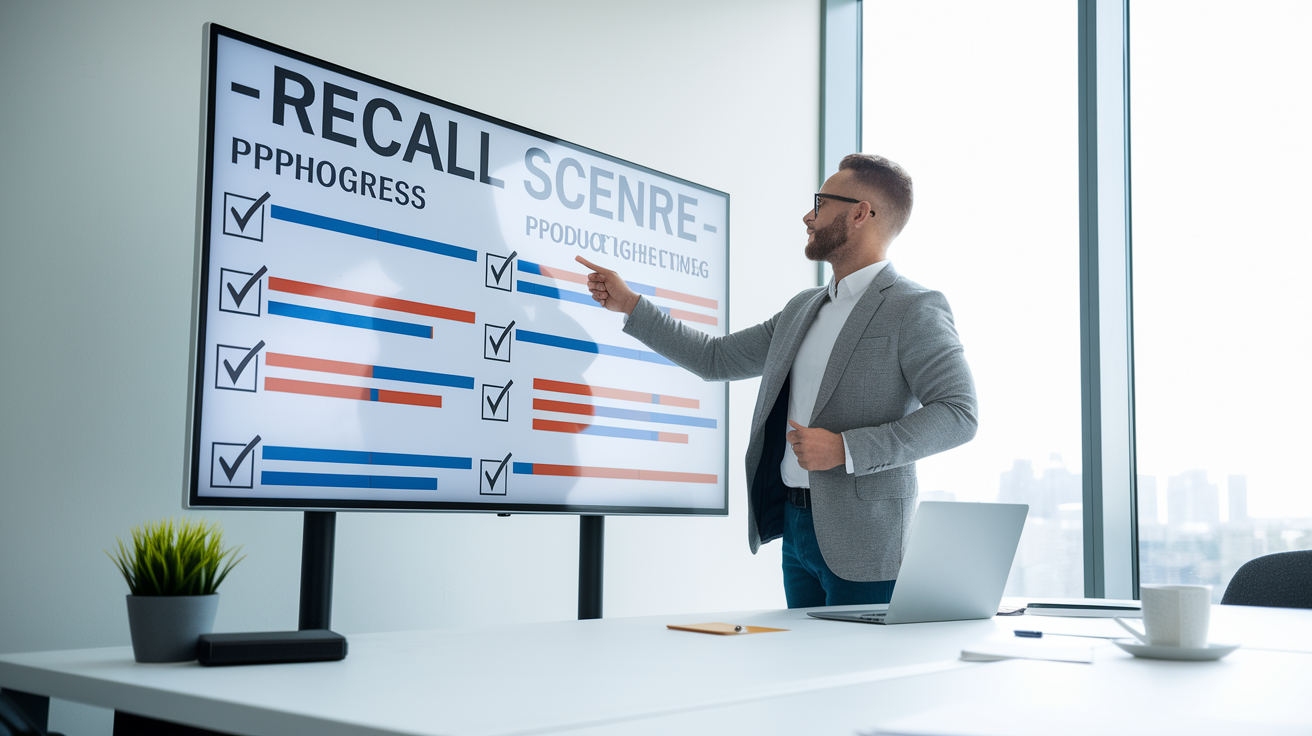
Manufacturers continuously track and report recall progress to FDA, documenting how many affected devices got located, corrected, removed from market, or are still out there. Tracking needs detailed records matching device serial numbers to distribution data, customer contacts, verification that corrections actually happened. Progress reports submitted at frequencies set by recall class let FDA assess whether manufacturers are making adequate effort to resolve the issue.
Recall effectiveness checks verify manufacturers successfully notified everyone affected and took appropriate corrective actions. FDA may contact a sample of recipients to confirm they got notification, understood what to do, and completed necessary steps. These checks measure what percentage of devices are accounted for and verify the recall strategy reached the intended audience.
Recall termination requires meeting specific criteria. FDA confirms all reasonable efforts were made to remove or correct devices based on the strategy and manufacturer’s capabilities. Affected parties got properly notified through appropriate channels. The health hazard is eliminated or controlled enough that the device no longer poses the risk that triggered the recall.
The FDA Medical Device Recall Database updates to show status changes and termination, keeping things transparent for providers and the public. Terminated recalls stay in the database as historical records but get marked to show the corrective action is done.
Distinguishing Recalls from Corrections and Market Withdrawals
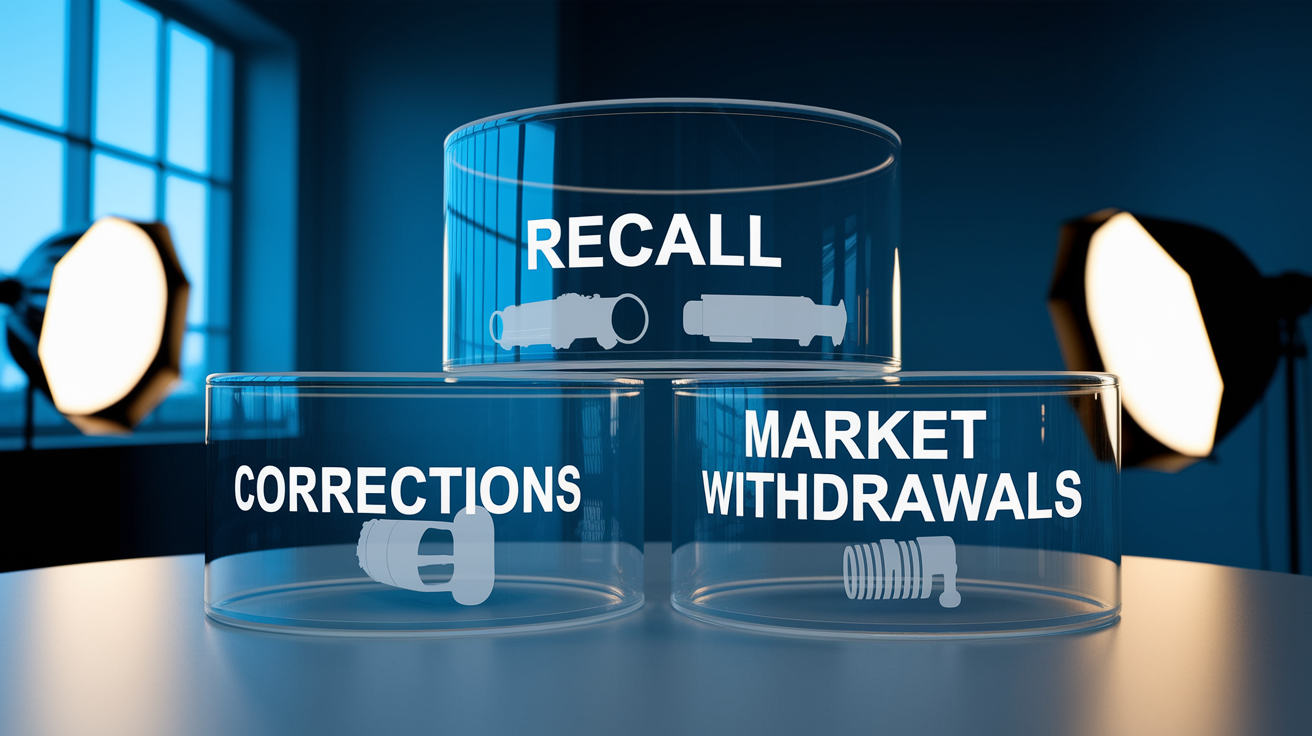
A recall addresses a problem with a medical device that violates FDA law or risks injury or death. Recalls involve removing devices from market or correcting them where they’re being used to eliminate the safety hazard or regulatory violation. FDA classifies recalls based on health risk severity.
Field corrections fix device problems without physical removal from where they’re being used. These include adjusting device settings, repairs by on-site technician visits, relabeling with updated safety info or usage instructions, modifications like software updates changing device performance. Field corrections allow continued use while reducing identified risks, making them right for situations where removal creates more harm than the problem itself.
Market withdrawal means removing a device that doesn’t violate FDA regulations but gets pulled for business or quality reasons unrelated to safety. Examples include discontinuing a product line, removal due to poor sales, or pulling devices that meet regulatory standards but fail the manufacturer’s internal quality specs.
The key distinction: recalls address regulatory violations or safety risks, corrections fix problems without removal, withdrawals are business decisions. All three might involve FDA notification but carry different regulatory implications and classification requirements.
Legal Implications and Compensation for Defective Device Injuries

Patients seriously injured by recalled devices can file product liability lawsuits against manufacturers seeking compensation. These civil claims run separately from FDA regulatory actions and let injured people recover damages for harm caused by defective or dangerous devices.
Common legal claims include failure to warn about known risks when manufacturers had info about safety concerns but didn’t provide adequate warnings. Inadequate recall notifications when manufacturers delay announcing recalls or fail to reach affected patients effectively. Design defects involving fundamental flaws making a device unreasonably dangerous. Manufacturing defects from production errors creating devices different from approved design. Delayed recall initiation despite known safety issues creates liability when manufacturers keep selling or fail to recall after learning of serious problems.
Compensable damages in device injury cases may include:
- Medical expenses for treating device related injuries, including emergency care, hospitalization, ongoing treatment
- Costs of revision surgeries or corrective procedures to remove defective devices or repair damage
- Lost wages and reduced earning capacity when injuries prevent return to work or limit career options
- Pain and suffering from physical and emotional harm from device malfunction
- Long term care or disability accommodations required due to permanent injuries
Legal consultation with product liability attorneys can help determine eligibility and case strength based on specific recall classification and documented injuries. Attorneys evaluate medical records, device performance data, recall notices, manufacturer communications to assess whether negligence or product defects caused compensable harm.
Recent Trends and Statistics in Medical Device Recalls
FDA issued 102 Class I recalls in 2023 compared to 65 in 2022 and 45 in 2020. That’s a 127% increase over three years in the most serious category requiring urgent action to prevent death or serious injury.
Several factors might explain the upward trend. Better post-market surveillance systems capture device performance data more thoroughly now. Improved adverse event reporting makes it easier for providers and patients to submit reports, increasing detection of safety signals. Increased regulatory scrutiny after high profile device failures led to more thorough FDA review of manufacturer safety data. Growing complexity of devices and software integration creates more potential failure modes that might not emerge until devices get used in diverse real world settings. Heightened manufacturer awareness of reporting obligations reduced delays in notifying FDA about safety concerns.
| Year | Class I Recalls | Class II Recalls | Class III Recalls |
|---|---|---|---|
| 2020 | 45 | Data varies annually | Data varies annually |
| 2021 | Data varies annually | Data varies annually | Data varies annually |
| 2022 | 65 | Data varies annually | Data varies annually |
| 2023 | 102 | Data varies annually | Data varies annually |
These numbers highlight the importance of solid quality control throughout device lifecycle. Proactive post-market monitoring helps manufacturers catch safety signals early, before widespread patient harm. Prompt manufacturer response to safety signals can prevent Class I recalls by addressing problems through field corrections or Class II recalls before risks escalate to life threatening levels.
Final Words
Medical device recall classifications provide essential guidance for assessing health risks and determining appropriate responses.
The three-tier FDA system ranks recalls from Class I (serious injury or death risk) through Class II (temporary harm) to Class III (minimal risk).
Understanding these classifications helps manufacturers execute proper corrective actions, enables healthcare providers to protect patients effectively, and empowers device users to respond appropriately to safety notifications.
Staying informed through the FDA Medical Device Recalls Database and following manufacturer instructions promptly reduces health risks and ensures compliance with safety protocols.
FAQ
What is a Class I, Class II, and Class III recall?
A Class I recall addresses the most serious health risks with reasonable probability of severe injury or death, Class II recalls involve moderate risk with potential for temporary or reversible health consequences, and Class III recalls pose minimal risk typically involving regulatory violations like labeling errors without direct health danger.
What are Class 1, Class 2, and Class 3 devices?
Class 1, Class 2, and Class 3 devices refer to the FDA’s risk-based categorization system for medical devices themselves, not recalls. Class 1 devices pose minimal risk (like bandages), Class 2 devices present moderate risk (like infusion pumps), and Class 3 devices carry highest risk (like heart valves or implants).
What is a Class 2 medical device recall?
A Class 2 medical device recall addresses situations where use of the device may cause temporary or reversible adverse health consequences, or where the probability of serious harm is remote. These recalls require healthcare provider notification and FDA database posting, typically within five business days.
What are the four categories of medical devices according to FDA regulations?
The FDA uses a three-tier risk classification system for medical devices, not four categories. Medical devices are classified as Class I (low risk), Class II (moderate risk), or Class III (high risk) based on intended use, indications, and potential harm to patients.
How quickly must manufacturers act on Class I recalls?
Manufacturers must act on Class I recalls within 24 hours, implementing immediate market removal, direct patient contact, and public announcements. They must also submit daily progress reports to the FDA documenting affected devices located, corrected, or removed from distribution.
Where can I check if my medical device has been recalled?
You can check if your medical device has been recalled by searching the FDA Medical Device Recall Database at fda.gov/medical-devices/medical-device-recalls, which provides product information, recall reasons, affected lot numbers, and manufacturer corrective actions with ongoing updates.
Can I continue using my device during a Class II or III recall?
Whether you can continue using your device during a Class II or III recall depends on the specific recall instructions and device criticality. Consult your healthcare provider before discontinuing use of critical or life-sustaining devices, and follow manufacturer instructions precisely.
What should I do if I’ve been injured by a recalled medical device?
If you’ve been injured by a recalled medical device, seek immediate medical attention for your injury, report the incident to the FDA through MedWatch, and document all medical treatment and communications. Consider consulting a product liability attorney to discuss potential compensation for medical expenses and damages.