Remember when Facebook changed its name to Meta and everyone assumed it was just trying to distance itself from scandal? That’s only part of the story. Facebook officially announced its rebrand on October 28, 2021, but the full corporate transformation didn’t actually finish until June 9, 2022. The shift wasn’t about running from bad press. It was about repositioning a company that had grown far beyond a social network into a parent organization managing Instagram, WhatsApp, and a risky bet on virtual reality. Here’s what really happened and why it matters for how you use these platforms today.
The Official Meta Rebrand Date and Announcement

Mark Zuckerberg announced Facebook’s rebrand to Meta on October 28, 2021, during the company’s annual Connect conference. It was one of the biggest corporate transformations in tech history.
But here’s the thing. While they announced it in October 2021, the official corporate name change didn’t actually take effect until June 9, 2022. That gap gave the company time to update legal documents, financial filings, and operational systems across their global infrastructure. The phased approach let employees, partners, and investors adjust to the new identity over several months.
The rebrand created a distinction that confused a lot of people at first. Facebook the social media platform kept its name and continued operating exactly as before. Only the parent company changed to Meta Platforms Inc. Instagram, WhatsApp, and Facebook all remained separate products under the new Meta umbrella, similar to how YouTube and Android operate under Google’s parent company Alphabet.
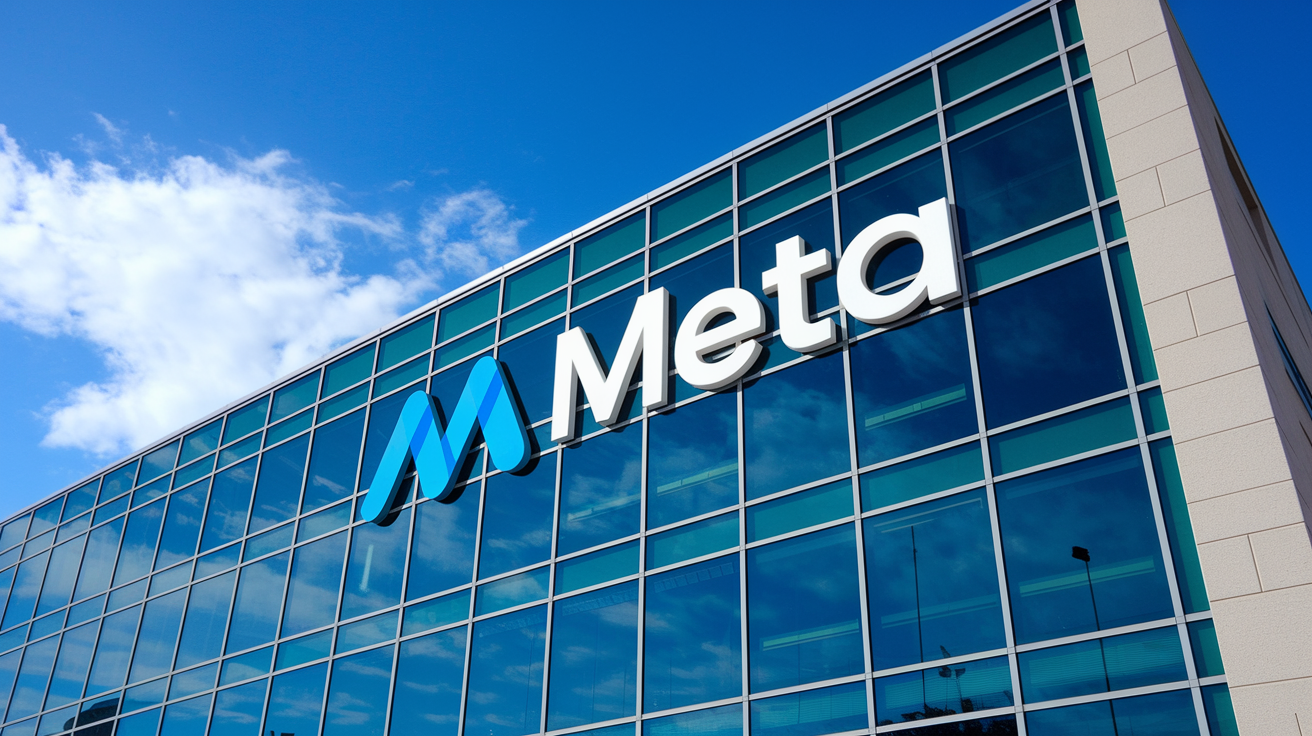
Meta replaced the iconic Facebook thumbs up logo at their Menlo Park headquarters on October 28, 2021, with a new infinity symbol design. The company also changed its stock ticker symbol from FB to META on the NASDAQ exchange, signaling the transformation to investors and markets worldwide.
Strategic Vision Behind the Meta Transformation

Zuckerberg explained that “Facebook” had become too narrow a brand name to represent everything the company was building beyond its original social network.
The metaverse vision, unveiled in August 2021 just months before the rebrand, became the central reason for the name change. Zuckerberg described the metaverse as a shared online 3D virtual space where people could work, play, shop, and socialize using virtual reality and augmented reality tech. The company needed a name that reflected this ambitious pivot from connecting people through screens to building immersive digital worlds.
Facebook’s expansion beyond its core platform actually started years earlier.
In 2012, Facebook acquired Instagram for roughly $1 billion, marking its first major move to diversify. Two years later, in 2014, the company made two acquisitions that would shape its future direction. The $19 billion WhatsApp purchase gave Facebook dominance in global messaging, while the $2 billion Oculus deal provided the virtual reality hardware foundation that would later become essential to the metaverse strategy.
These acquisitions gradually transformed Facebook from a single social media platform into a family of products serving different communication needs.
By 2021, the company had evolved far beyond its college focused origins. Virtual reality through Oculus Quest headsets, cross platform messaging through WhatsApp, visual content sharing through Instagram, and the original Facebook social network represented distinct products that needed a unifying parent company identity. The rebrand to Meta acknowledged this reality while positioning the company for its next phase, mirroring Google’s 2015 restructuring into parent company Alphabet to better organize its diverse business units from search to self driving cars.
What Changed for Facebook Users
The rebrand to Meta had basically zero impact on the daily experience of the platform’s more than 3 billion users worldwide. People logged into Facebook, Instagram, and WhatsApp the same way they always had, using the same apps with the same interfaces.
User accounts, pages, profiles, friend lists, photos, videos, and all stored data remained completely intact.
Core features like posting updates, sharing photos, sending messages, joining groups, running Pages, and connecting with friends continued without any interruption or modification. The Facebook News Feed algorithm, privacy settings, notification systems, and content policies all operated exactly as they had before October 28, 2021. For the average person scrolling through their feed or posting a photo, nothing about the Facebook experience changed when the parent company became Meta.
Meta’s Metaverse Technology and Product Strategy

The metaverse represents shared 3D virtual spaces users access primarily through Quest headsets, Meta’s VR hardware line built on the Oculus technology acquired in 2014.
Horizon Worlds serves as Meta’s flagship metaverse platform where users create avatars, build virtual spaces, and interact with others in real time without geographic limitations. The platform enables virtual meetings where colleagues appear as avatars in a shared digital office, concerts where fans experience performances from virtual front row seats, and social gatherings where friends meet in customized digital environments. Meta designed these experiences to be accessible not just through VR headsets but eventually through smartphones, tablets, and AR glasses to maximize adoption.
The vision promises what Zuckerberg calls “holographic teleportation” where people attend events, conduct business, and maintain social connections without physical travel.
The concept resembles earlier virtual worlds like Second Life, launched in 2003, where users created digital identities and built virtual properties in a persistent online environment. The Sims video game franchise offers another useful comparison, giving players control over digital characters living in simulated worlds. Meta’s metaverse aims to advance these concepts with more immersive VR technology, real time interaction, and integration with real world commerce and social networks.
Corporate Structure and Revenue Operations Under Meta

Meta Platforms Inc became the formal corporate entity name, with the stock ticker symbol changing from FB to META on NASDAQ.
The parent company structure now manages four primary divisions. Facebook, Instagram, and WhatsApp operate as distinct social platforms under the Meta umbrella, while Reality Labs handles all virtual reality, augmented reality, and metaverse development. This organizational model mirrors the Google to Alphabet restructuring from 2015, where individual brands maintain their identities while the parent company coordinates strategy, allocates resources, and reports consolidated financial results to investors.
The advertising business that generates most of Meta’s revenue continued with minimal operational changes. Facebook Ads rebranded to Meta Ads, but the targeting systems, auction mechanisms, campaign tools, and measurement platforms advertisers relied on remained fundamentally unchanged.
However, the rebrand occurred during a period of significant advertising challenges.
Apple’s iOS 14.5 update, released months before the Meta announcement, began requiring explicit user permission for cross app tracking. This disrupted the data collection that powered Facebook’s advertising effectiveness. Snapchat reported disappointing third quarter 2021 earnings specifically citing these tracking limitations, and Meta faced similar pressures that threatened its core revenue model.
Meta’s long term business strategy balances current advertising dominance with future metaverse commerce opportunities. The company envisions virtual storefronts functioning like shopping mall real estate that brands must rent to reach customers in digital spaces. Digital goods, virtual real estate, immersive advertising, and transaction fees on metaverse commerce represent potential revenue streams that could eventually diversify Meta beyond its dependence on social media advertising.
Competitive Landscape and Meta’s Market Position
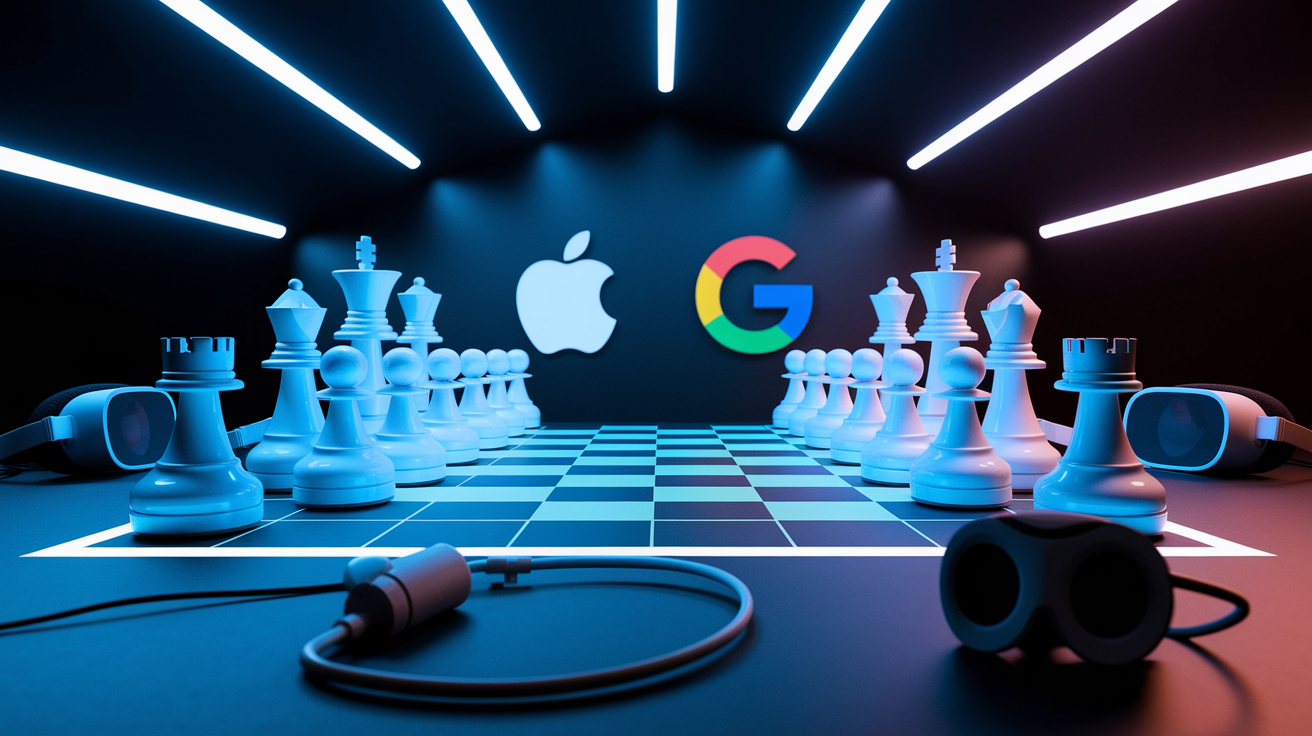
Meta’s rebrand reflects a strategic goal of controlling the next computing platform rather than remaining dependent on competitors’ operating systems like Apple’s iOS or Google’s Android, which currently control access to billions of users.
Other tech giants quickly recognized the metaverse opportunity and launched competing initiatives. Apple announced Vision Pro, its mixed reality headset, positioning it as a spatial computing device for productivity and entertainment. Microsoft already had HoloLens for enterprise applications and significant investments in gaming metaverse experiences through Xbox and its acquisition of Activision Blizzard.
The rebrand signaled Meta’s ambition to define the standards, control the hardware, and own the platform for immersive computing before competitors established dominance.
Meta must also compete for user attention against platforms like YouTube and Amazon that dominate video content and e-commerce respectively.
By October 2021, competing tech brands Google, Microsoft, Amazon, and Apple had reached brand values between $200 billion and $400 billion, dwarfing Facebook’s estimated $36 billion brand value. This valuation gap reflected both Facebook’s reputation challenges and investor uncertainty about whether Meta could successfully execute its metaverse vision against better capitalized competitors with stronger brand trust.
Meta faces ongoing regulatory pressures including antitrust investigations in the United States and Europe, privacy enforcement actions, content moderation requirements, and potential legislation restricting data collection practices. These regulatory constraints could limit Meta’s ability to use its existing user base for metaverse adoption or restrict how the company monetizes virtual environments, creating uncertainty about whether Meta can achieve the market position it’s after in immersive computing.
Controversies and Public Perception of the Meta Rebrand
Facebook’s brand value dropped to 15th place in Interbrand’s October 2021 ranking with an estimated value of $36 billion, matching its lowest position since 2016 and a significant decline from its peak 8th place ranking in 2017.
The Cambridge Analytica scandal, revealed in 2018, damaged Facebook’s reputation when it emerged that the political consulting firm harvested data from millions of users without consent to influence elections. The revelation sparked widespread concerns about privacy, data security, and Facebook’s oversight of third party developers accessing user information. The scandal led to congressional hearings, multi billion dollar fines, and lasting public distrust that continued to affect Facebook’s brand perception years later.
The rebrand timing raised immediate questions about motivations.
The Facebook Papers, internal documents leaked by whistleblower Frances Haugen, began making headlines in fall 2021 just weeks before the Meta announcement. The documents revealed that Facebook’s internal research showed Instagram harmed teenage mental health, that the company’s algorithms amplified divisive content, and that leadership prioritized growth over user safety. The proximity of the rebrand to these damaging revelations led critics to argue that Meta represented an attempt to distance the corporate brand from Facebook’s mounting problems.
Industry experts suggested the rebrand served multiple strategic purposes including reputation management. By creating separation between the troubled Facebook brand and the parent company identity, Meta could pursue partnerships, recruit talent, and court investors without the immediate baggage associated with the Facebook name. The forward looking metaverse narrative gave the company a positive story to tell about innovation and the future of technology rather than defending past privacy failures and content moderation mistakes.
Public skepticism persisted about whether a name change addressed the underlying platform issues that generated controversy. Critics pointed out that the same leadership, the same business model dependent on personal data and engagement, and the same content recommendation systems remained in place regardless of whether the parent company was called Facebook or Meta.
Final Words
Facebook officially became Meta on October 28, 2021, when Mark Zuckerberg announced the rebrand at the Connect conference.
The name change reflected strategic expansion beyond social media into metaverse development, virtual reality, and augmented reality technologies.
For the 3+ billion daily users, nothing changed. Facebook, Instagram, and WhatsApp kept their names and features. Only the parent company structure shifted to Meta Platforms Inc.
The rebrand signals Meta’s bet on immersive digital spaces as the next computing platform, positioning the company for long-term competition with Apple, Microsoft, and Google in shaping how we’ll work, shop, and connect in virtual environments.
FAQ
What is the difference between Meta and Facebook?
The difference between Meta and Facebook is that Meta is the parent company name (changed in October 2021) while Facebook remains the name of the original social media platform. Facebook, Instagram, and WhatsApp all operate as individual products under the Meta corporate umbrella, similar to how Google operates under Alphabet.
What if you invested $1000 in Facebook in 2012?
If you invested $1000 in Facebook in 2012 during its IPO, your investment would have grown significantly through the company’s expansion, acquisitions of Instagram and WhatsApp, and eventual transformation into Meta. The stock appreciated considerably despite privacy scandals and the 2021 corporate rebrand, though exact returns depend on the specific purchase date and market conditions.
What is your biggest concern about Meta?
The biggest concerns about Meta typically center on data privacy practices following the Cambridge Analytica scandal, content moderation challenges, antitrust issues related to market dominance, and regulatory scrutiny from governments worldwide. Additional concerns include the company’s handling of misinformation and whether the metaverse strategy will succeed given competition from Apple, Microsoft, and others.
How do I get Facebook back to normal?
Facebook returned to normal immediately after the Meta rebrand because the social media platform itself didn’t change. Your account, profile, pages, content, and connections remained completely intact since only the parent company name changed to Meta, not the Facebook app or website you use daily.
When exactly did Facebook officially become Meta?
Facebook officially became Meta on October 28, 2021, when Mark Zuckerberg announced the rebrand at the Connect conference. However, the formal corporate name change to Meta Platforms Inc didn’t take legal effect until June 9, 2022, even though the company began using the Meta branding and changed its headquarters logo immediately after the October announcement.
Why did Facebook rebrand to Meta?
Facebook rebranded to Meta because the company expanded far beyond a single social media platform to include Instagram, WhatsApp, and virtual reality technology through Oculus. Zuckerberg explained that the Facebook name was too narrowly linked to one product to represent the company’s vision of building the metaverse, a shared 3D virtual space using VR and AR technologies.
Did the Meta rebrand change how Facebook Ads work?
The Meta rebrand changed Facebook Ads to Meta Ads in name only, with minimal operational changes for advertisers. The advertising business model, targeting capabilities, and campaign management continued functioning essentially the same way. However, Meta still faced ongoing challenges from Apple’s iOS 14.5 privacy changes that limited cross-app tracking regardless of the company’s name.
What is the metaverse that Meta is building?
The metaverse that Meta is building is a shared 3D virtual space where users interact through Quest headsets without leaving home. It promises immersive experiences like holographic teleportation to offices, concerts, and virtual storefronts, similar to earlier virtual worlds like Second Life (2003) and The Sims, but with modern VR and AR technology.
How does Meta’s corporate structure compare to Google’s?
Meta’s corporate structure compares to Google’s by following the same parent company model where Alphabet oversees Google products. Meta Platforms Inc serves as the parent corporation managing Facebook, Instagram, WhatsApp, and Reality Labs as separate brands, allowing focused development while maintaining unified corporate governance and financial reporting.
What competitors does Meta face in the metaverse space?
Meta faces competitors in the metaverse space including Apple’s Vision Pro headset, Microsoft’s HoloLens platform, and various initiatives from Google and Amazon. These tech giants have brand values between $200-400 billion compared to Meta’s position, and Meta strategically needs to control its own operating system rather than depend on rivals like Apple.
Did the Cambridge Analytica scandal influence the Meta rebrand?
The Cambridge Analytica scandal influenced Meta’s timing and motivation for the rebrand by contributing to Facebook’s damaged reputation, which dropped the brand to 15th place in October 2021 with $36 billion value (down from 8th in 2017). The rebrand coincided with Facebook Papers whistleblower revelations, leading experts to suggest it partly served as reputation management.