
Ever wonder if that crib in your spare room or the ground beef in your freezer is actually safe? Most people never check, and that’s exactly how recalled products stick around for years after warnings go public. Government agencies publish free databases that tell you in seconds whether your stuff is dangerous, but almost nobody uses them. This guide shows you how to search official recall tools so you can catch safety problems before they catch you. These databases cover everything from the car you drive to the medication you take, and learning to use them takes less time than scrolling social media.
How to Search for Recalled Products Using Official Databases
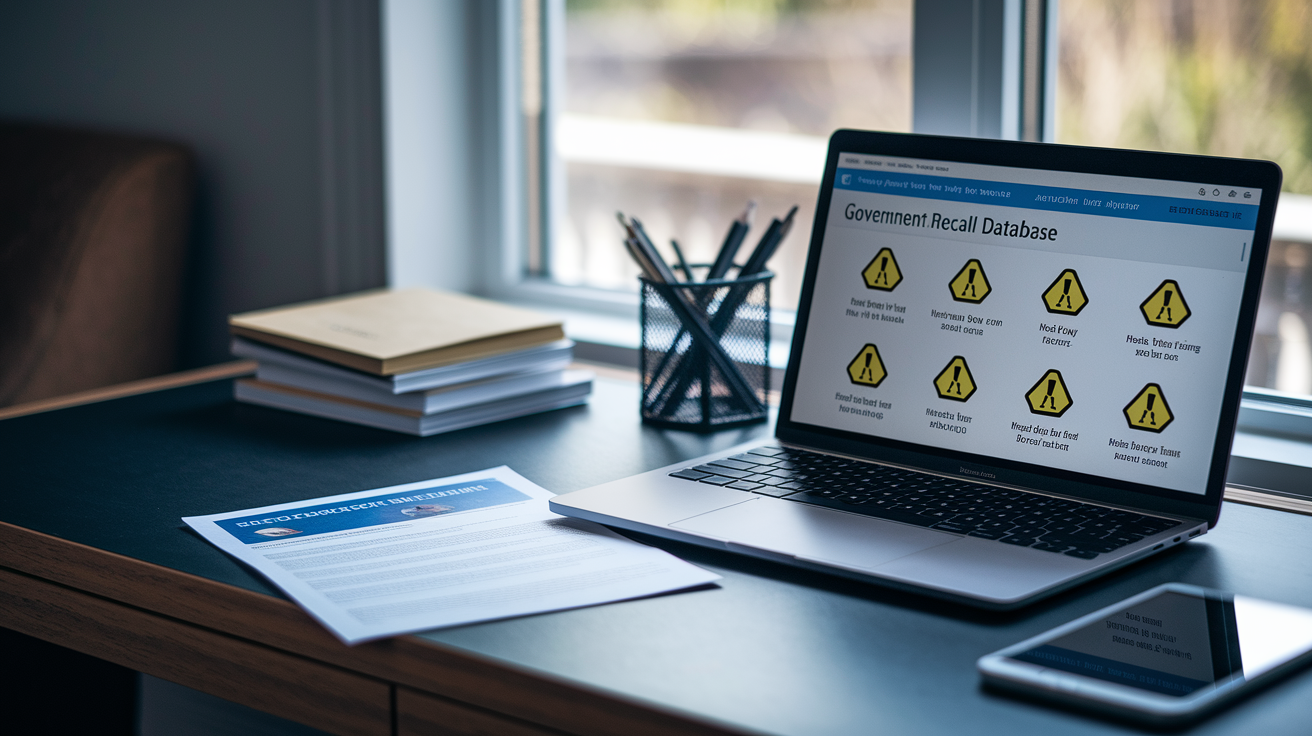
Federal and state agencies run free recall databases that let you check product safety in minutes. These tools cover everything from your coffee maker to the pills in your medicine cabinet.
The search process is pretty straightforward across most databases. You type in a product name, brand, model number, serial number, or UPC code. The system checks current recalls and shows you what matches, along with hazard details, what to do next, and how to contact the manufacturer. Most databases let you sign up for email alerts about specific product types. Several offer Excel downloads so you can track the recalls that actually matter to your household.
CPSC Consumer Product Database
The Consumer Product Safety Commission database tracks recalls for stuff you use at home, in sports, recreation, and schools. You’ll find appliances, furniture, clothes, toys, playground gear, exercise equipment, cribs, high chairs, all of it.
Search filters help you narrow things down by keywords, recall date, what kind of hazard, product category, where it was made. The system shows recall titles, product photos, what’s dangerous about it, how many units are affected, and what you’re supposed to do about it. Need to dig into multiple recalls or spot patterns? Export your search to Excel and sort however you want.
The database updates every day when new recalls get announced. Manufacturers send recall info to CPSC, which checks the details before posting anything. Each listing links back to the original recall notice with full manufacturer contact info and instructions for consumers.
FDA MedWatch for Medical Products
The FDA MedWatch program publishes safety alerts for human drugs, medical devices, vaccines, biologics, dietary supplements, cosmetics. The database covers prescription meds, over the counter drugs, blood products, surgical implants, diagnostic equipment, contact lenses, vitamins, herbal supplements, makeup, skincare products.
Filter searches by product type to zero in on what matters. Each alert includes the product name, who made it, lot numbers or serial numbers, when it was distributed, what bad things happened, and what you should do. Serious alerts flag life threatening risks that need your attention right now.
MedWatch offers Excel export for healthcare providers and researchers tracking safety issues across multiple products. The system updates as FDA gets adverse event reports from manufacturers, healthcare pros, and regular people. Safety communications range from routine label changes to urgent market withdrawals.
NHTSA Vehicle Recall Tools
The National Highway Traffic Safety Administration runs a VIN lookup tool that checks open safety recalls using your vehicle identification number. Enter the 17 character VIN from your dashboard, driver’s door jamb, or registration paperwork. The system instantly shows unfixed recalls for that exact vehicle.
Coverage goes beyond cars and trucks to automotive equipment including tires, child safety seats, motorcycle helmets. Each recall listing shows the safety issue, what parts are affected, what could happen, and how to get it fixed. Dealerships have to fix safety recalls for free, even if your warranty ran out years ago.
NHTSA also publishes a comprehensive recalls by manufacturer dataset through the Department of Transportation website. Filter this database by manufacturer name, vehicle component, recall type. The data includes campaign numbers that dealerships use to verify if you’re eligible and whether they’ve got parts in stock.
FSIS Food Safety Alerts
The Food Safety and Inspection Service handles recalls and public health alerts for meat, poultry, processed egg products. Search by keywords, what caused the contamination, risk level, recall status, which states are affected, company name, year.
The system sorts alerts into three classes. Class I recalls involve products that could cause serious health problems or death. Class II products might cause temporary health issues. Class III items have minor violations that probably won’t hurt anyone. Each listing shows the establishment number, production dates, product labels, where it was distributed, why it got recalled.
FSIS updates alerts as investigations develop. Initial health alerts warn about potential problems before official recalls even start. Follow up notices expand affected products or close investigations. The database shows whether recalls are ongoing, done, or terminated.
Filter options across these databases help you narrow searches to specific timeframes, product types, hazard categories. Date range filters show recalls from the past week, month, year, or whatever period you pick. Manufacturing country filters identify imported products. Hazard type filters group recalls by fire risk, injury potential, contamination type, regulatory violations. Save searches you care about or export results to spreadsheets for personal safety tracking. Most databases let you print or email individual recall notices to share with family or document warranty claims.
Search Filters and Product Identification Methods

Getting the search right matters because generic searches return hundreds of results you don’t need, while precise identification tells you immediately whether your specific item is recalled. A model number search for “Instant Pot DUO60” gives you exact recall matches. Searching just “pressure cooker” might show 40 different brands and models you don’t own.
Different databases rely on different identification systems based on industry standards. Vehicle recalls need VIN numbers. Medical devices use lot numbers and serial codes. Consumer electronics need model and serial numbers. Food products track by production date codes and establishment numbers. Prescription drugs match by NDC (National Drug Code) numbers and lot identifiers. Understanding which codes your product uses speeds everything up.
Common product identifiers include:
Model numbers are specific product versions found on nameplates, packaging, instruction manuals. Most useful for appliances, electronics, furniture.
Serial numbers are unique device identifiers that pinpoint individual units within a model line. Essential for medical devices, vehicles, high value electronics.
UPC barcodes are 12 digit codes on product packaging used by retailers. Effective for packaged goods, toys, household products.
Batch or lot numbers are production run identifiers on food, medication, cosmetics. Critical for contamination recalls where only specific production dates are affected.
VIN numbers are 17 character vehicle identification codes. Required for automotive recalls including child seats installed in specific vehicle models.
Product name and brand work when specific codes aren’t available, though you’ll need to filter carefully. Good starting point before narrowing with other identifiers.
Production date codes are manufacturing dates printed on packaging or product labels. Important for food, medication, cosmetics with shelf life concerns.
Distribution channel information like retailer names or where you bought it helps verify if your purchase window matches the affected distribution period.
Combining multiple filters delivers precise results when you’re unsure about exact model variations. Start with brand name, add product category, then narrow by purchase date range. If a manufacturer sold a product line through specific retailers during limited timeframes, filtering by distribution channel gets rid of false matches. Manufacturing country filters help when searching generic product names used by multiple international brands.
Match your product details against recall notice specifics before doing anything. Recalls often affect only certain serial number ranges, production dates, UPC codes within a model line. A recall for “XYZ Brand Coffee Makers Model CM-100” might list serial numbers 20210001 through 20215000. If your serial number is 20220001, your unit isn’t affected. Check every identifier the recall notice mentions. Food recalls specify production dates and establishment codes stamped on packaging. Medication recalls list lot numbers printed on bottle labels or blister packs.
Product labels, packaging, instruction manuals show where manufacturers stick identification codes. Appliances have rating plates with model and serial numbers on back panels or inside doors. Electronics print codes on bottom panels or battery compartments. Food packaging stamps codes near expiration dates or nutrition labels. Medication bottles print lot numbers and expiration dates on labels or caps. Keep product boxes and manuals until you’re past typical recall windows for that product category.
Distribution information in recall notices shows which retailers sold affected products and when. A notice stating “sold at Target stores nationwide from January 2023 to March 2023” means purchases from other retailers or different months aren’t affected. Some recalls specify online only sales, specific store chains, limited geographic regions. Cross reference your purchase receipt date and retailer against distribution details.
Contact manufacturers directly when your product partially matches recall details but you can’t verify all identifiers. Customer service lines can confirm whether your specific unit is affected based on purchase date, retailer, available product codes. Manufacturers keep detailed production records that database searches can’t fully capture. When you’re not sure, assume the product is recalled until the manufacturer confirms otherwise.
Product Categories Covered by Recall Search Tools
Government recall databases cover nearly every product category that enters your home, vehicle, or body. Separate agencies handle different product types based on their regulatory authority and safety expertise.
| Product Category | Primary Database/Agency | Coverage Details |
|---|---|---|
| Household Products | CPSC Consumer Product Database | Appliances, furniture, cleaning products, hand tools, lawn equipment, holiday decorations |
| Children’s Items | CPSC Consumer Product Database | Toys, cribs, high chairs, strollers, car seats, baby monitors, pacifiers, clothing |
| Vehicles | NHTSA Vehicle Recalls | Cars, trucks, motorcycles, RVs, tires, child safety seats, motorcycle helmets |
| Food Products | FSIS / FDA Food Recall Database | Meat, poultry, eggs (FSIS); produce, seafood, packaged foods, beverages (FDA) |
| Medical Devices | FDA MedWatch | Surgical implants, diagnostic equipment, blood glucose monitors, contact lenses, hearing aids |
| Electronics | CPSC Consumer Product Database | Mobile phones, tablets, laptops, TVs, batteries, charging cables, smart home devices |
| Furniture | CPSC Consumer Product Database | Dressers, bookshelves, desks, outdoor furniture, bed frames, recliners |
| Cosmetics | FDA MedWatch / EU Safety Gate | Makeup, skincare, hair products, nail polish, sunscreen, personal care items |
Some products fall under multiple agencies depending on their intended use or claims. Dietary supplements go to FDA. Exercise equipment goes to CPSC. A device that claims medical benefits might need searches in both databases. Check relevant agencies when product categories overlap or products serve dual purposes.
Understanding Recall Severity and Hazard Types

Agencies classify recalls by severity to help you prioritize responses. The classification shows up in recall notices and database filters.
Class I or high risk recalls involve products that could cause serious injury, death, major health consequences. Contaminated infant formula, vehicles with brake failures, lithium ion batteries that catch fire. These need immediate action. Stop using the product right away and follow remedy instructions.
Class II or medium risk recalls cover products that might cause temporary health problems or injuries that are medically reversible. A kitchen appliance with sharp edges that could cause cuts, food with undeclared allergens that affect only sensitive individuals. Take action soon, but the timeline isn’t as critical as Class I.
Class III or low risk recalls involve violations unlikely to cause health problems. Labeling errors that don’t affect safety, minor packaging defects, products with cosmetic flaws. Follow remedy instructions when it’s convenient.
Physical hazards include fire risk from electrical malfunctions or flammable materials, choking hazards from small detachable parts on children’s products, cuts from sharp edges or breaking glass, strangulation dangers from cords or strings, tip over hazards from unstable furniture, burn risks from hot surfaces or overheating batteries, fall hazards from structural failures, entrapment risks in cribs or other enclosed spaces. Database hazard filters let you search for specific physical risk types.
Chemical and biological hazards cover contamination issues like bacteria in food products (salmonella, listeria, E. coli), chemical exposure from lead paint or toxic materials, allergen contamination when undeclared ingredients reach sensitive consumers, pesticide residues exceeding safe limits, pharmaceutical contamination from incorrect ingredients or dosages. Health related recalls move faster than physical hazard recalls because contamination can spread through distribution channels quickly. Food and drug agencies prioritize these investigations and publish alerts as soon as preliminary testing confirms problems, sometimes before all affected products are identified.
Recall Remedy Options and Consumer Rights
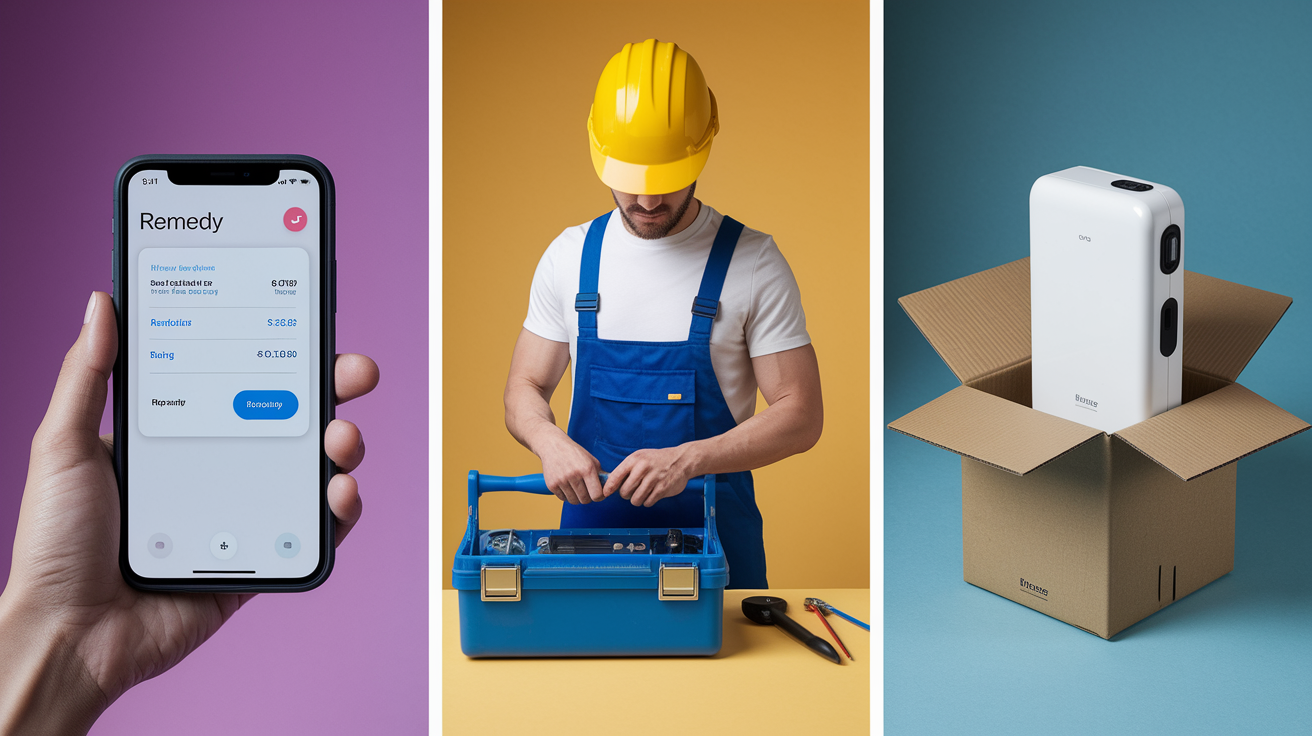
Manufacturers have to offer one of three remedies when they recall products: full refund, repair, replacement.
Refunds return your purchase price, usually requiring proof of purchase like a receipt or credit card statement. Some high profile recalls skip this requirement and refund based on product registration or serial number verification. Return methods vary. Some companies send prepaid shipping labels, others tell you to drop off products at retail locations, certain hazardous items (like lithium batteries) need special handling instructions rather than mail returns. Refund processing takes anywhere from a few days to several weeks depending on company procedures and volume of returns.
Repairs typically happen at no cost through authorized service centers or by mail in service. The company ships free replacement parts with installation instructions, sends a technician to your home, or gives you a shipping label to send the product for repair. For vehicles, dealerships do recall repairs free regardless of warranty status or vehicle age. You keep your original product after repair instead of replacing it.
Replacement options depend on product availability. If the recalled model is still in production, you get an identical new unit. If the model was discontinued, the company offers a comparable current model or upgraded version. Some replacements require returning the original product, while others (especially food or medication) let you throw out the recalled item yourself after receiving a replacement voucher or check.
Recalled products with safety hazards often come with disposal instructions. Don’t donate, resell, or give away recalled items. Doing so puts others at risk and may violate consumer protection laws. Hazardous recalled items like battery powered products or chemical containing goods need special disposal through household hazardous waste facilities or manufacturer take back programs. Follow the specific disposal guidelines in the recall notice rather than tossing items in regular trash.
Voluntary and Mandatory Recall Differences

Two types of recalls move through the system based on how they start.
Voluntary recalls happen when manufacturers discover problems through their own testing, customer complaints, quality control processes and proactively notify regulatory agencies. The company starts the recall, develops the remedy plan, coordinates with the agency to notify consumers. Most recalls are voluntary. Companies prefer managing recalls themselves rather than facing mandatory government orders. Voluntary recalls move faster because manufacturers don’t wait for formal government investigation results. The voluntary label doesn’t mean the hazard is less serious. It just describes who started the action.
Mandatory recalls occur when government agencies order companies to recall products after investigations reveal safety violations. The company either refused to voluntarily recall despite evidence of danger, or the agency discovered problems the company didn’t catch. Mandatory recalls involve stricter government oversight, monitoring, enforcement. Agencies can fine companies, require additional corrective actions, pursue legal action for non compliance. From a consumer perspective, mandatory recalls signal more serious regulatory concerns and potentially more severe safety issues.
The distinction matters for timing and legal liability. Voluntary recalls let companies control the narrative and show responsibility. Mandatory recalls indicate regulatory enforcement and possible criminal or civil penalties. Check the recall status field in databases to see which type applies. For immediate safety purposes, treat both types with equal urgency. The hazard exists regardless of who started the recall.
Setting Up Recall Notifications and Alerts

Waiting until you think to check recall databases means potentially using dangerous products for months. Automated alerts catch new recalls immediately.
Visit the government agency website that covers products you own (CPSC for household goods, FDA for food and medicine, NHTSA for vehicles). Locate the email subscription or alerts page, usually in the main navigation or footer menu. Select product categories that match items in your home. Toys if you have children, appliances for kitchen equipment, medications if you take prescriptions regularly. Provide your email address and confirm subscription through the verification link sent to your inbox. Set email filters to prioritize recall alerts in your inbox so they don’t get buried in promotions or spam folders.
Mobile apps and responsive websites make checking recalls possible while shopping. CPSC’s database works on mobile browsers, letting you search product names or brands while standing in store aisles. Several states run mobile friendly recall portals. Third party apps pull recalls from multiple agencies, though sticking to official government sources keeps things accurate. Mobile access matters most during holiday shopping seasons when you’re buying tons of new products in short timeframes.
Modern recall tools increasingly use barcode scanning and image recognition features. Several consumer safety apps let you scan product UPC codes with your phone camera to instantly check recall status. Some services are testing visual search. You photograph a product and the system identifies it then checks recall databases. These features work best for packaged goods with clear barcodes. Furniture, appliances, unpackaged items still need manual model number entry. Expect visual search technology to improve as image recognition advances.
Accessibility features make recall information available to users with disabilities. Government websites follow WCAG (Web Content Accessibility Guidelines) standards. Screen readers can navigate recall databases and read alert details aloud. High contrast viewing modes help users with vision impairments. Text resizing options adjust font sizes without breaking page layouts. Mobile apps include voice search capabilities. Agencies publish recall notices in multiple formats including plain text, PDF, HTML to work with assistive technologies. Spanish language versions of major recall databases serve non English speaking consumers.
International Recall Databases and Cross Border Alerts

Products made overseas or purchased during international travel need searches beyond US databases. International retailers shipping to US addresses sell products that might be recalled in their home countries but not yet flagged by US agencies.
OECD GlobalRecalls Portal
The Organisation for Economic Co-operation and Development runs a portal pulling recall information from member countries worldwide. The system grabs regularly updated data from regulatory agencies in over 30 jurisdictions including the United States, Canada, European Union nations, Australia, Japan, South Korea.
Filter searches by product type to focus on categories you own. Electronics, toys, vehicles, household appliances. Date filters show recent recalls or historical patterns. The “economy of recall” filter identifies which country issued the recall, while the “economy of manufacture” filter shows where products were made. This distinction matters for globally distributed products. An item made in China might be recalled in Australia but still sold in the US if American regulators haven’t spotted the same defect yet.
Cross referencing manufacturer names and model numbers across multiple countries reveals safety issues before they reach your local market. The portal links to original recall notices in each jurisdiction, though language barriers may need translation tools for non English sources.
European Union Safety Systems
Safety Gate (used to be called RAPEX) serves as the EU’s rapid alert system for dangerous non food products. Coverage includes cars, mobile phones, consumer electronics, cosmetics, toys, clothing, household items. The database updates weekly every Friday with new alerts from EU member states.
Search by brand name, product name, product type, country of origin. Each alert shows the product photo, what risks were found, what authorities did about it, which country issued the alert. The system sorts risks as serious or other, helping you figure out which alerts need immediate attention. Export weekly reports as Excel files to track trends or share information with others.
RASFF Window covers food and feed safety across the EU. The database includes food recall alerts, border rejections of imported food, public health warnings. Filter by date range, notifying country, product category, risk level. Alerts show hazard details (contamination type, chemical residues, allergen presence), where it was distributed, what actions were taken. EU food recalls sometimes affect products exported to the US, making RASFF useful for checking imported specialty foods.
Checking international databases matters because products sold through Amazon, eBay, AliExpress, other international marketplaces may be recalled in their origin country but still available to US buyers. Counterfeit products and gray market goods skip normal import inspections. Travelers buying electronics, cosmetics, clothing abroad should check those items against recall databases in both the purchase country and the US. Products made in one country, recalled in another, sometimes keep selling in third countries due to regulatory gaps.
Design Defects, Manufacturing Defects, and Labeling Violations
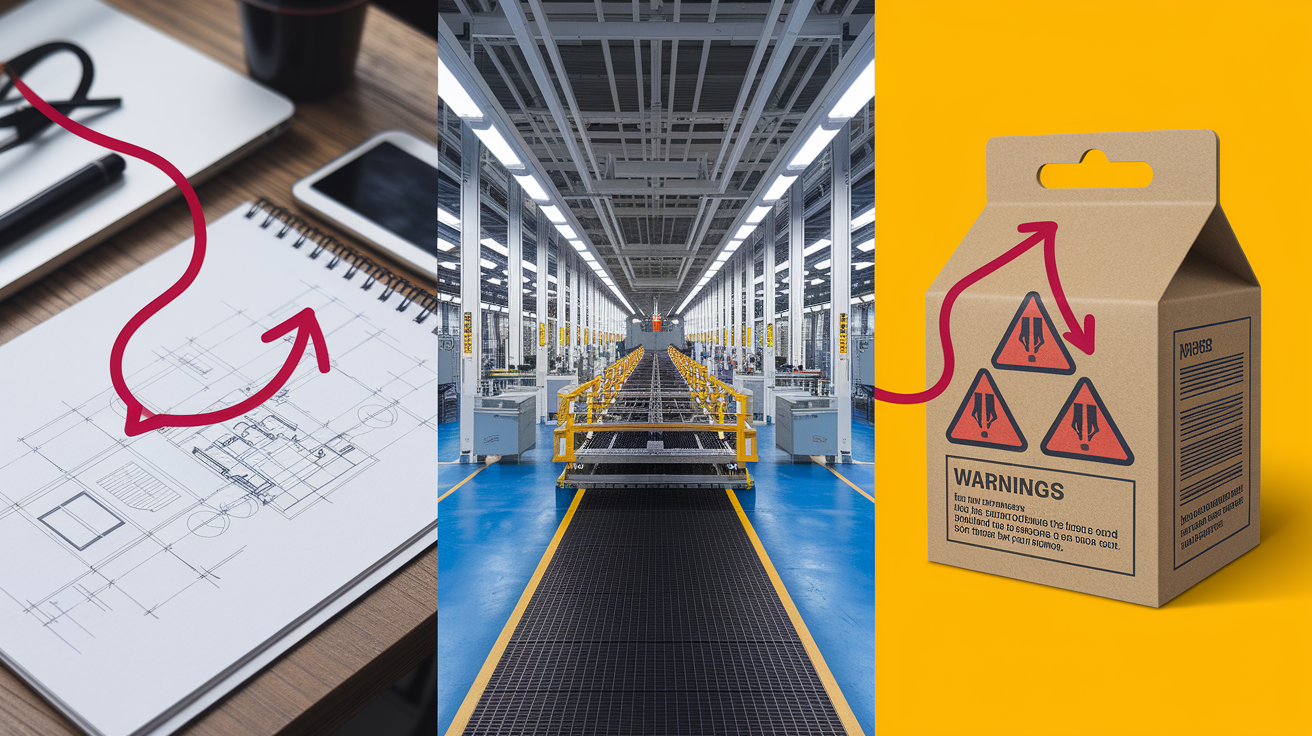
Recalls trace back to three root causes depending on where the safety problem started.
| Defect Type | Description | Common Examples |
|---|---|---|
| Design Defects | Flaws in the product’s original design that make all units of that model unsafe | Furniture that tips over due to weight distribution, car components prone to failure under normal use, toys with small parts that violate size requirements |
| Manufacturing Defects | Problems during production that affect specific batches or units | Contaminated food from a single production facility, vehicles assembled with wrong parts, medications mixed with incorrect ingredients in one batch |
| Labeling Violations | Incorrect, incomplete, or missing safety information and warnings | Undeclared allergens on food packaging, missing choking hazard warnings on toys, incorrect medication dosage instructions |
Child safety concerns trigger recalls across all three defect categories because regulations for children’s products are stricter than adult items. Toys have to meet specific small parts tests to prevent choking. Children’s clothing can’t have drawstrings that pose strangulation risks. Cribs have to meet slat spacing requirements. High chairs need proper restraint systems. Recalls for children’s products often cite violations of specific CPSC regulations like ASTM standards or lead content limits.
Understanding defect types helps sharpen database searches when investigating safety concerns. Design defect recalls affect every unit of a model regardless of when or where you bought it. Manufacturing defect recalls list specific production dates, lot numbers, serial number ranges. Labeling violation recalls may offer relabeling rather than product returns. Filter by hazard type and date range to see whether your product’s manufacturing period matches recalled batches.
Reporting Unsafe Products and Consumer Responsibilities

Consumer reports help agencies find dangerous products before injuries become widespread. Your observations contribute to investigations that lead to recalls.
Report products in these situations. You or someone you know got hurt using a product as intended. A product nearly caused an injury through a close call or malfunction. You found a defect that creates obvious safety risks even without injury yet. You bought a counterfeit product that differs from legit versions in safety relevant ways. A company refuses to honor an announced recall or makes remedy claims difficult.
Government agencies accept consumer reports through online forms on their websites. CPSC’s SaferProducts.gov lets consumers describe product incidents, upload photos of damage or defects, include medical records if injuries happened. FDA accepts adverse event reports through MedWatch for drugs, medical devices, food products. NHTSA’s Vehicle Safety Hotline receives complaints about vehicle defects and non compliance with recalls.
File reports with as much detail as possible. Include product brand, model number, serial number, purchase date, retailer. Describe what happened. How the product was being used, what failed or malfunctioned, what consequences resulted. Attach photos showing defects, damage, relevant product labels. If you got medical treatment, include dates and injury descriptions without sharing full medical records unless they ask. Agencies review reports and contact consumers if investigations need more information.
Document injuries and product issues right after they occur. Photograph products before throwing them away. Save damaged items if you can. Agencies may request physical samples during investigations. Keep receipts, packaging, instruction manuals. Write down event details while memory is fresh including date, time, location, who was there, exactly what happened. Medical records from emergency room visits or doctor appointments link injuries to specific products. This documentation supports your report and helps agencies build cases for recall investigations.
Recall Statistics and Trending Safety Issues
Historical recall data reveals patterns that inform safer buying decisions.
Recall databases with date filters and Excel export let you analyze which product categories see the most frequent recalls, which manufacturers have recurring problems, when recalls cluster during the year. CPSC’s database export function provides raw data for custom analysis. Safety Gate publishes weekly statistics showing recall volumes by product type and country. Reviewing this data before major purchases shows which brands consistently meet safety standards versus those with repeated violations.
Seasonal patterns show up clearly in recall data. Toy recalls spike before holidays when manufacturers rush production and regulators increase testing. Outdoor products like grills, lawn equipment, pool accessories see recalls in late spring and early summer as usage increases and defects become apparent. Space heaters and electric blankets generate recalls in fall and winter. Back to school season brings children’s product scrutiny. Tracking these patterns helps you time purchases to avoid periods when defective products are more likely to reach the market.
Certain product categories consistently rank highest in recall frequency. Children’s products lead due to strict safety standards and testing requirements that reveal violations. Electronics and battery powered devices see frequent recalls for fire risks as lithium ion battery technology pushes performance limits. Furniture recalls increased dramatically after tip over incidents prompted stricter stability testing. Imported products from countries with less stringent manufacturing oversight show up more frequently in recall databases than domestically produced goods.
Search archive data to check brand reliability before spending money on major purchases. A furniture brand with five tip over recalls in three years deserves more scrutiny than competitors with zero recalls in the same period. An appliance manufacturer whose recalls involve serious fire hazards rather than minor labeling issues suggests quality control problems. Historical patterns don’t guarantee future performance, but they reveal how companies respond to defects. Whether they proactively test and recall, or wait until injuries force action.
Final Words
Official recall databases put product safety information at your fingertips. Whether you’re checking a specific item you own or monitoring categories you care about, these consumer product recall search tools offer free, government-verified data across household goods, vehicles, food, and medical products.
Set up category alerts, bookmark the databases you need most, and check before you buy. A quick search takes less than a minute and could prevent injuries.
These tools work best when you use them regularly, not just when headlines break.
FAQ
What government databases can I use to search for recalled products?
The government databases you can use to search for recalled products include the CPSC database for household items, FDA MedWatch for medical products, NHTSA for vehicles, and FSIS for food products. Each database covers different product categories and offers free search tools with filtering options.
How do I search the CPSC database for consumer product recalls?
The CPSC database search for consumer product recalls uses keyword filters, date ranges, hazard types, product categories, and manufacturing countries to find recalled household products, toys, appliances, and children’s items. You can export search results to Excel for personal tracking and custom analysis.
Can I check vehicle recalls using my VIN number?
You can check vehicle recalls using your VIN number through the NHTSA VIN Look-Up Tool, which shows all open safety recalls for your specific vehicle and automotive equipment including tires and car seats. This free tool provides immediate verification and remedy instructions.
What product identification methods work best for recall searches?
Product identification methods that work best for recall searches include model numbers, serial numbers, UPC barcodes, batch numbers, VIN numbers, production date codes, and brand names. Combining multiple identifiers produces the most accurate results when verifying if your specific product is affected.
How do I find recalls for food products?
You find recalls for food products through the FSIS database for meat, poultry, and egg products, or the FDA for other food items and dietary supplements. Search by keywords, company name, recall date, risk level, or affected states to locate relevant food safety alerts.
What’s the difference between voluntary and mandatory recalls?
The difference between voluntary and mandatory recalls is that voluntary recalls are manufacturer-initiated safety actions, while mandatory recalls are government-ordered after compliance failures or serious safety violations. Both types require the same consumer response once announced.
Can I set up automatic alerts for new product recalls?
You can set up automatic alerts for new product recalls by subscribing to email notifications on CPSC, FDA, NHTSA, and FSIS websites for specific product categories you own or monitor. These free alert systems notify you immediately when relevant recalls are announced.
How do I interpret recall severity levels and hazard types?
Recall severity levels and hazard types are interpreted through database classifications that rate risks as high, medium, or low based on injury potential from fire, choking, laceration, chemical exposure, or contamination. Higher severity levels require more urgent consumer action.
What remedy options are available for recalled products?
Remedy options available for recalled products typically include full refunds, free repairs, replacement parts, or product exchanges depending on the hazard type and manufacturer’s recall plan. Contact information for claiming remedies is included in each recall notice.
Do international recall databases cover products sold in the US?
International recall databases like the OECD GlobalRecalls Portal and EU Safety Gate cover products sold in the US when they’re manufactured abroad or sold across multiple countries. Checking these sources matters for imported products and items purchased from international retailers.
How can I report an unsafe product that isn’t yet recalled?
You can report an unsafe product that isn’t yet recalled by filing a complaint with the CPSC, FDA, or relevant agency through their official websites, providing product details, photos, and injury information. Consumer reports help agencies identify emerging safety issues.
What information is included in recall notices?
Recall notices include affected product details (model, serial, batch numbers), hazard descriptions, injury reports, units affected, distribution channels, remedy instructions, manufacturer contact information, and recall announcement dates. This information helps verify if your specific product is included.
Can I search recalls by store or retailer?
You can search recalls by store or retailer using distribution channel filters in databases like CPSC and FSIS, or by searching recall notices that list specific retailers where affected products were sold. This helps identify purchases from your shopping history.
How do I check if imported products have been recalled?
You check if imported products have been recalled by searching the OECD GlobalRecalls Portal with filters for manufacturing country and product type, plus checking country-specific databases like EU Safety Gate. Manufacturing location helps track cross-border safety issues.
What are design defects versus manufacturing defects in recalls?
Design defects in recalls are flaws in how products are engineered that affect entire product lines, while manufacturing defects are errors during production affecting specific batches or units. Labeling violations are a third category involving missing or inadequate safety warnings.
How often are recall databases updated?
Recall databases are updated regularly, with most government databases posting new recalls within 24 hours of announcement and some systems like EU Safety Gate publishing weekly summary reports every Friday. Subscribing to alerts ensures you receive immediate notifications.
Can I use barcode scanning to check for recalls?
You can use barcode scanning to check for recalls through some modern recall search tools and third-party mobile apps that incorporate image recognition technology for instant UPC code verification. This feature simplifies checking products while shopping or reviewing home inventory.
What should I do if my product matches a recall notice?
If your product matches a recall notice, stop using it immediately, follow the remedy instructions provided, contact the manufacturer using the information in the notice, and document your claim with product photos and purchase records. Act quickly, especially for high-severity hazards.
How do I verify if a recall has been completed or remediated?
You verify if a recall has been completed or remediated by checking the recall status field in databases like FSIS, contacting the manufacturer directly with your product information, or reviewing updated recall notices that indicate remedy completion rates. Status verification prevents using unsafe products.
What product categories have the highest recall rates?
Product categories with the highest recall rates typically include children’s toys, automotive components, food products, and household electronics based on historical database trends and weekly safety reports. Seasonal items like holiday decorations and summer recreational equipment also show elevated recall frequency.