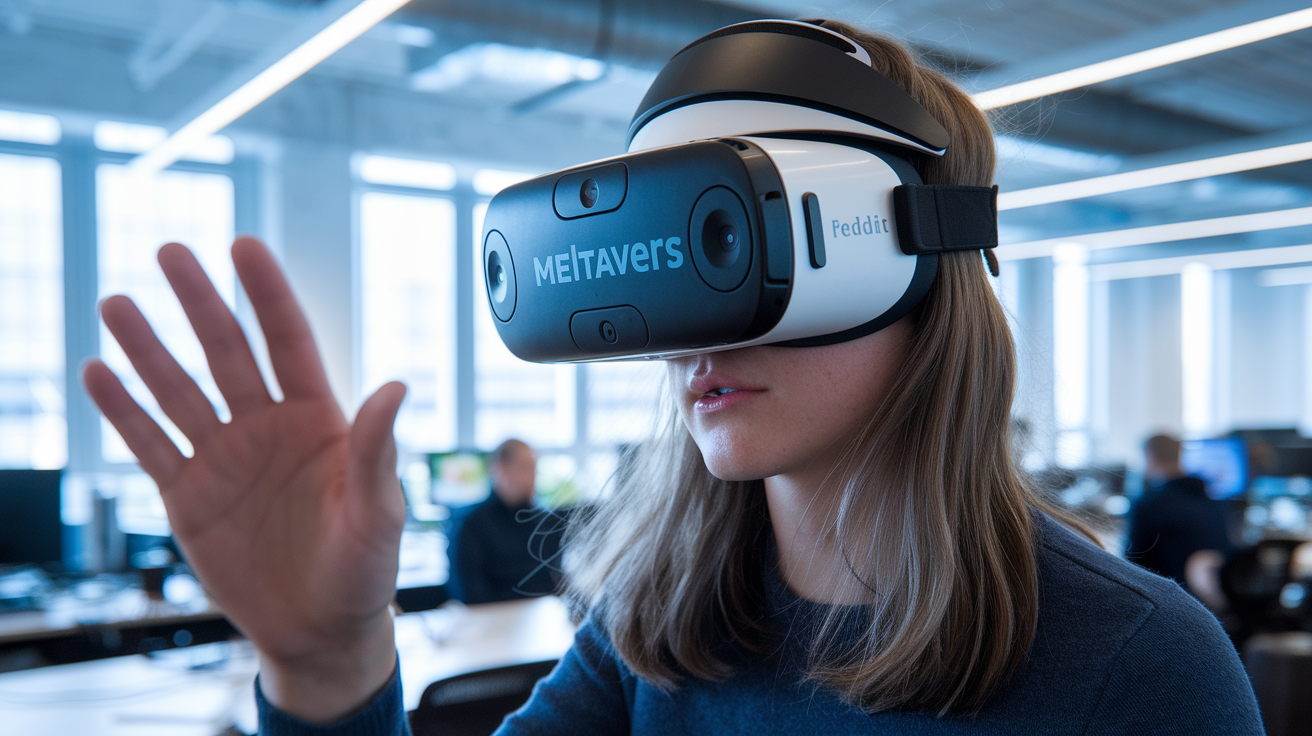
Was Facebook’s switch to Meta a brave leap into the future—or a slick way to escape scandals?
The short answer: it was both.
The company renamed itself to Meta to signal a shift from social feeds and ad dependence toward building the metaverse—VR/AR hardware, developer tools, and a new platform—while reshaping investor and public perception.
This move affects users, developers, advertisers, and regulators because it redirects money, talent, and scrutiny into a long-term platform bet.
Thesis: the rebrand was a strategic repositioning to own the next computing platform, not just a name change.
Core Reasons Behind Facebook’s Change to Meta

Facebook rebranded to Meta because it wanted to build the metaverse. That’s the short version. The longer story is about repositioning an entire company around virtual and augmented reality before anyone else locks down the infrastructure.
Mark Zuckerberg announced the switch on October 28, 2021. The legal name, Meta Platforms, Inc., went live on June 9, 2022. This wasn’t just a cosmetic refresh. It was a declaration that Facebook’s future isn’t about social feeds anymore.
The rebrand caps off more than ten years of bets on immersive tech. Facebook bought Instagram in 2012, WhatsApp in 2014, and Oculus VR later that same year for around $2 billion. Oculus was the big tell. That deal brought hardware and VR capability in house, setting up everything that came next. Zuckerberg’s said publicly the metaverse will take 10 to 15 years to hit mainstream use. Meta is the long play.
Under the new structure, all the VR, AR, AI, and connectivity work got pulled together under one corporate umbrella. It’s a signal to investors and developers: we’re not just iterating on apps. We’re building the next computing platform.
Here’s what drove the decision:
- Business diversification: Less dependence on ad revenue from feeds alone.
- Alignment with VR/AR investments: Years of hardware and software work finally got a unified brand.
- Consolidation of metaverse strategy: Scattered projects now have one mission.
- Investor communication: A clear roadmap beyond social networking.
- Platform ambition: Controlling the infrastructure, not just participating in someone else’s ecosystem.
The model mirrors what Google did with Alphabet in 2015. Alphabet became the parent, Google stayed a product. Same logic here. Meta is the parent. Facebook, Instagram, WhatsApp stay consumer apps. The parent can chase moonshots without dragging the Facebook name through every experiment.
Metaverse Technology Explained

The metaverse is a network of 3D virtual spaces where people interact through avatars in real time. You don’t browse it on a screen. You enter it. The whole thing’s built on VR and AR devices that create the feeling you’re actually there.
Meta sees this as the successor to mobile internet. Not a side feature. The main platform for work, socializing, shopping, learning, and entertainment over the next decade or more.
VR replaces your surroundings entirely with computer-generated environments. You wear a headset, use motion tracking and hand controllers, and move around digital spaces. AR overlays digital stuff onto the real world through transparent displays or phone cameras. Pokémon Go did this in 2016 and showed people the concept works at scale.
The metaverse depends on four technical layers:
- Immersive social environments: Shared virtual spaces where avatars interact in real time.
- Virtual collaboration tools: Meeting rooms and workspaces meant to replace video calls.
- Creator frameworks: Software that lets people build virtual objects and spaces without heavy coding.
- Digital identity systems: Persistent profiles and inventories that follow you across different virtual worlds.
VR/AR Foundations
VR works by tracking your head position dozens of times per second and updating your view to match natural movement. It creates the illusion you’re inside a digital space. Most systems use hand controllers or hand tracking so you can gesture, grab objects, and navigate without a keyboard. Full immersion usually means standing and moving around physically. Some systems map your room’s boundaries so you don’t bump into furniture.
Oculus hardware, which Facebook bought in 2014, has gone through several generations. The Quest line became the leading standalone VR headset by cutting the cord to external computers. Meta’s subsidized hardware pricing, built developer tools, and created software frameworks to make multi-user VR easier to build. The goal is to set the technical standards before competitors do.
Operational and Organizational Shifts Resulting From the Rebrand
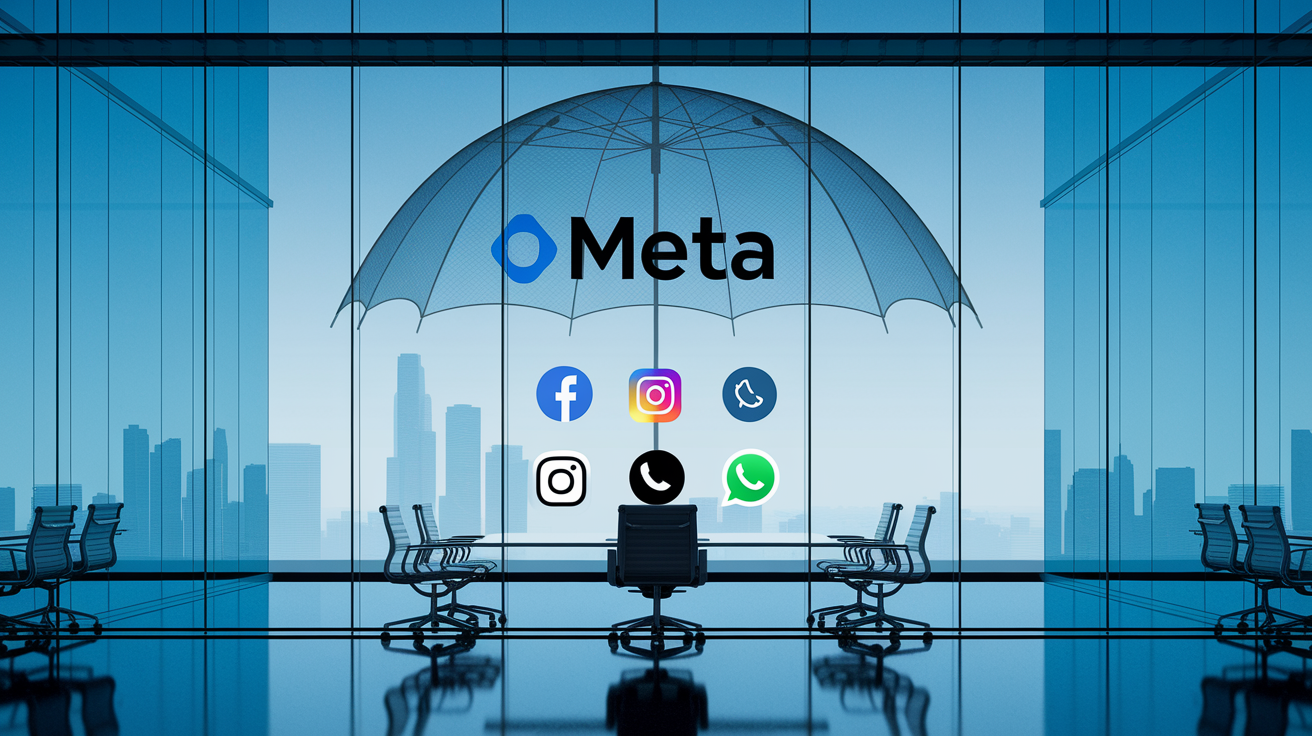
The rebrand restructured Facebook into a parent company model. Meta Platforms, Inc. sits at the top. Facebook, Instagram, and WhatsApp operate underneath as separate products. Each keeps its own brand. The parent gets to chase riskier, longer-term projects without tying everything to the Facebook name.
This setup created clear boundaries. Consumer apps still run ads and generate cash. Reality Labs handles all VR, AR, and metaverse work. That includes Oculus products, developer tools, and the Horizon suite of social VR apps. Reality Labs operates with a mandate to build the platform first, worry about profit later.
Reality Labs brought in about $2.3 billion in revenue during 2021, mostly from Oculus hardware and accessories. It also posted an operating loss of roughly $10.17 billion that same year. The loss reflects hardware subsidies (selling devices below cost to drive adoption), massive hiring of engineers and designers, and building operating systems, app stores, and social infrastructure from scratch. Meta’s accepted these losses as the price of platform control. The bet is that early dominance leads to long-term revenue through app store fees, ads, virtual goods, and enterprise tools once adoption scales.
Reputation Challenges That Helped Accelerate the Name Change to Meta

The rebrand came after years of scandals that wrecked the Facebook brand’s value and brought regulatory heat.
Cambridge Analytica in 2018 revealed that a political consulting firm harvested personal data from tens of millions of users without consent. Global outrage followed. Then in 2021, Frances Haugen, a former product manager, leaked thousands of internal documents. The leaks showed Facebook’s own research identified harms its platforms caused, including mental health impacts on teens and the amplification of divisive content. Leadership chose growth over fixing the problems.
By October 2021, when Meta was announced, Facebook had dropped to 15th place in Interbrand’s global brand rankings with an estimated value of $36 billion. Google, Microsoft, Amazon, and Apple were each valued between $200 billion and $400 billion.
Apple’s iOS 14.5 update in April 2021 required apps to ask permission before tracking users across other apps and sites. Most iPhone users said no. That broke Facebook’s ad targeting precision and lowered advertisers’ returns. Snapchat reported similar impacts. For Facebook, which made nearly all its money from precision-targeted ads, the loss of tracking data was both an immediate hit and a long-term threat.
The rebrand offered a way to shift the conversation from defending a broken ad model to building something new.
Regulation and Antitrust Context
The FTC and dozens of U.S. states filed antitrust lawsuits starting in 2020. They alleged Facebook illegally maintained monopoly power by buying potential competitors like Instagram and WhatsApp and by blocking third-party developers. The EU, UK, and other jurisdictions launched parallel investigations into data practices, market dominance, and content moderation.
The rebrand didn’t stop these cases. But it let the company present itself as an innovator taking risks on unproven tech instead of an entrenched monopolist defending market share. By adopting a new identity focused on a future platform, Meta tried to reset the conversation. Instead of a company consolidating control over mature markets, it’s now framing itself as a company making risky bets on emerging ones.
Meta’s VR/AR Investments and Acquisitions Supporting the Rebrand
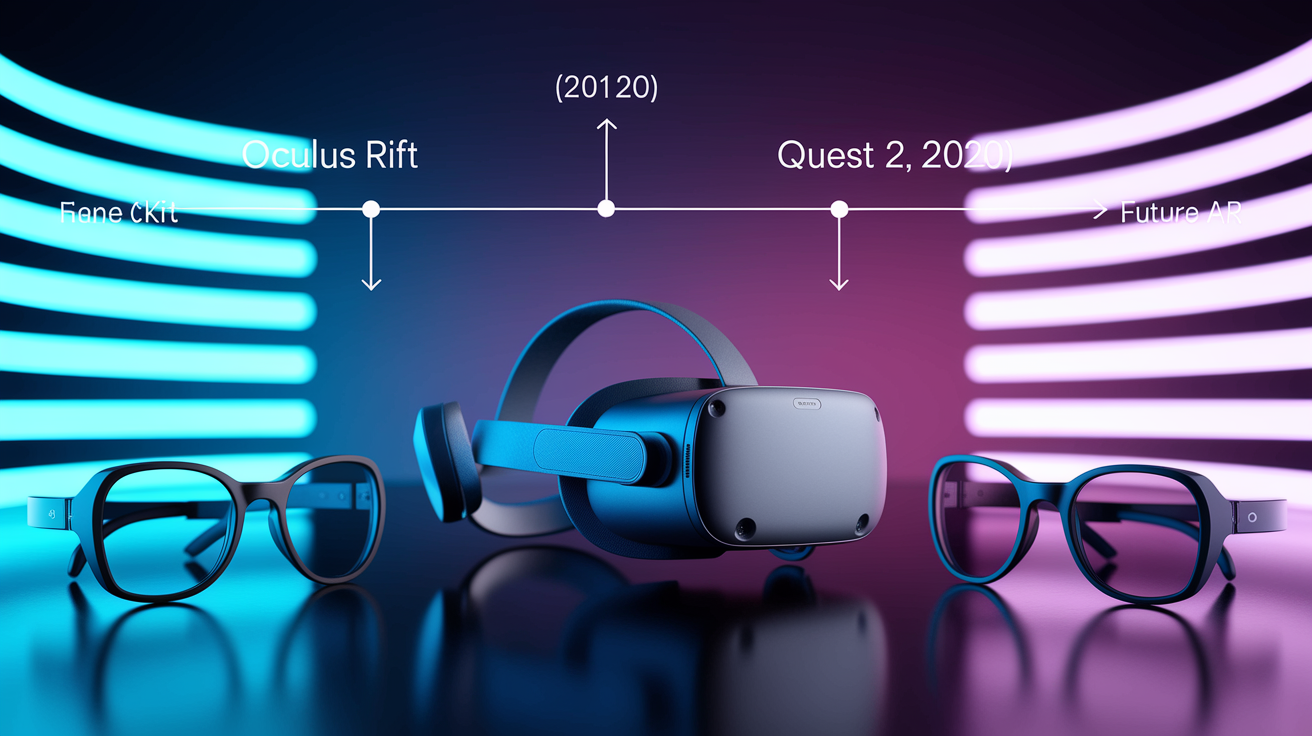
Facebook’s $2 billion acquisition of Oculus VR in March 2014 was the first big move into hardware. At the time, Oculus had a prototype headset and an enthusiastic developer community but no shipping product. Facebook funded the Oculus Rift, a PC-tethered headset, then later developed standalone devices.
The Oculus Quest 2, launched in October 2020 at $299 for the 64 GB model, became the best-selling VR headset globally. It combined accessible pricing with a growing library of games, fitness apps, and social experiences.
Meta’s AR strategy is harder. The company’s working on lightweight glasses that overlay digital information onto the real world. The technical challenge is massive. The glasses have to be socially acceptable to wear in public while delivering high-resolution visuals and decent battery life. Meta’s partnered with eyewear manufacturers and invested in miniaturized displays, spatial audio, and computer vision. The goal is glasses that recognize objects, track hand gestures, and integrate with voice assistants. Software development has focused on creator tools that let developers build cross-platform experiences, so apps and virtual objects work across different hardware as the ecosystem grows.
Meta announced plans to hire thousands of engineers, designers, and researchers for metaverse development. That includes a commitment to create 10,000 jobs in the EU over multiple years. These hires support hardware engineering, OS development, AI research, content moderation, and ecosystem growth. Reality Labs has become one of the company’s largest divisions, operating at the scale of a standalone hardware company while being subsidized by the ad business from Facebook, Instagram, and WhatsApp.
| Technology | Investment/Details | Year |
|---|---|---|
| Oculus VR acquisition | ~$2.0 billion (cash and stock) | 2014 |
| Oculus Quest 2 launch | Standalone VR headset, entry price $299 | 2020 |
| Reality Labs operating loss | ~$10.17 billion (revenue ~$2.3 billion) | 2021 |
| European hiring commitment | 10,000 metaverse-focused roles | Announced 2021 |
Meaning and Implications of the “Meta” Brand Identity

The name “Meta” comes from the Greek prefix meaning “beyond” or “transcending.” It signals the company’s ambition to move beyond two-dimensional social networking into 3D, immersive computing. Zuckerberg picked it to communicate that Facebook’s future is building infrastructure for virtual environments, not just operating apps on other people’s platforms. The choice also ties directly to “metaverse,” reinforcing the brand connection with the concept the company wants to define and dominate.
The rebrand parallels Google’s 2015 restructuring under Alphabet. Both reflect similar goals: insulate the legacy business from the risks and timelines of long-term bets, clarify financial reporting for investors, and prevent a single product’s identity from limiting the parent company’s scope. The name “Meta” lets the company acquire new businesses, launch unrelated products, and pursue regulatory approval for ventures that might face resistance if they carried the Facebook name.
Meta’s brand messaging emphasizes three things:
- Platform ambition: positioning as the builder of foundational infrastructure, not just a participant.
- Long-term vision: success measured over decades, not quarters, to manage investor expectations and justify sustained losses.
- Identity separation: distinguishing the corporate parent from consumer products to protect new initiatives from Facebook’s reputational baggage.
How the Meta Name Change Affects Users, Advertisers, and Businesses
For most users, the rebrand changed almost nothing. The Facebook app kept its name, logo, and functionality. Instagram and WhatsApp stayed the same. User accounts, pages, profiles, friend lists, and content stayed intact. The company didn’t force anyone to create new accounts, accept new terms just because of the name change, or learn new interfaces. Meta functions as a corporate label visible mainly in legal documents, app store fine print, and investor communications. Not in the apps themselves.
Advertising and Business Tools
Facebook’s ad platform became Meta Ads. It consolidated tools for running campaigns across Facebook, Instagram, Messenger, and WhatsApp under one corporate identity. The underlying products stayed functionally identical. Same targeting options, bidding systems, creative formats, and performance dashboards. Advertisers access the same audiences and measurement tools through the same interfaces. Meta branding shows up mainly in account settings and billing statements.
The long-term implication is that Meta will eventually introduce ad formats native to VR and AR. Think sponsored virtual objects, branded spaces in social VR apps, or AR try-on experiences. That expands the ad model beyond traditional feeds and stories.
Key impacts of the rebrand:
- No disruption to existing accounts: users and advertisers kept access to all tools, data, and content without migration or re-setup.
- Unified cross-app branding: Meta’s corporate identity now ties together previously separate platforms under one legal and financial structure.
- Long-term product roadmap visibility: the rebrand signals where investment is going, helping businesses plan for future VR/AR commerce opportunities.
- Evolving privacy and data policies: the name changed, but data collection, tracking, and privacy practices continue to shift in response to regulation and platform changes like iOS tracking limits.
- Preparation for virtual economy: the rebrand sets the stage for monetizing virtual goods, storefronts, and immersive advertising as the metaverse ecosystem grows.
Timeline and Legal Process Behind the Facebook-to-Meta Rebrand

Mark Zuckerberg revealed the name change at the company’s Connect conference on October 28, 2021. He used a keynote presentation to outline the metaverse vision and explain the strategic thinking. The announcement included a new corporate logo (a stylized infinity symbol in blue) and a commitment to invest tens of billions of dollars in Reality Labs over the coming years. Zuckerberg framed the rebrand as the start of a new chapter. He acknowledged the metaverse would take more than a decade to reach mainstream adoption but positioned Meta as the company building the foundational platform.
The legal corporate name Meta Platforms, Inc. took effect on June 9, 2022, after regulatory filings and shareholder processes. The company’s stock ticker changed from FB to META in 2022, completing the transition in financial markets. The delay between announcement and legal effectiveness allowed time for securities filings, corporate governance updates, and coordination across international subsidiaries.
| Date | Change | Notes |
|---|---|---|
| October 28, 2021 | Public announcement of rebrand | Zuckerberg revealed the name “Meta” and metaverse strategy at Connect conference |
| June 9, 2022 | Legal corporate name change effective | Meta Platforms, Inc. became the official legal entity name |
| 2022 | Stock ticker changed to META | Replaced FB on NASDAQ, completing financial-market transition |
Future Outlook: How Meta Plans to Build Its Long-Term Metaverse Ecosystem

Meta’s metaverse strategy centers on creating developer platforms that let third parties build apps, virtual spaces, and economic activity inside Meta-controlled environments. Horizon, the company’s suite of social VR apps, serves as the testing ground. Horizon Worlds lets users create and share virtual hangout spaces without coding. Horizon Workrooms provides meeting environments meant to replace or supplement video conferencing.
Meta’s building a creator economy by offering monetization tools. Virtual item sales, tipping, and ad revenue shares are meant to incentivize developers and content creators to invest time and resources in the platform before it reaches mass adoption.
The economic model mirrors app store and platform economies from mobile computing. Meta envisions businesses renting virtual storefronts where consumers can browse products, attend events, or interact with brand reps through avatars. Virtual real estate within popular spaces could command premium prices. Meta functions as the gatekeeper, setting terms, taking transaction fees, and controlling access to the user base.
Early experiments include branded experiences within Horizon Worlds, virtual concerts featuring real-world musicians, and fitness apps that blend VR immersion with subscription revenue. The company’s dominance hinges on whether the metaverse successfully shifts user attention and spending away from rival platforms like YouTube, Amazon, TikTok, and gaming ecosystems controlled by Sony, Microsoft, and Valve.
Regulatory uncertainty is the biggest unknown. Governments don’t have much precedent for legislating virtual economies, digital property rights, content moderation in immersive environments, or antitrust concerns when one company controls the OS, app store, hardware, and social graph for an entire computing platform.
Privacy advocates warn that VR and AR systems collect vastly more behavioral data than smartphones. Eye movement, physical gestures, spatial environments, and biometric signals create new risks for surveillance, manipulation, and data breaches. Meta’s ability to build and monetize the metaverse depends on navigating these tensions. It’s a challenge the company’s struggled with throughout its history as Facebook.
How Meta Plans to Measure Success
Meta has outlined several long-term metrics to evaluate whether the metaverse strategy is working.
VR and AR hardware adoption, measured by active headset users and sales growth, serves as the foundational indicator. Immersive experiences require widespread device ownership.
Developer participation tracks how many third-party creators are building apps, virtual spaces, and tools on Meta’s platforms. It signals whether the ecosystem is attractive enough to sustain independent businesses.
User engagement, particularly time spent in VR and AR environments compared to traditional apps, reveals whether immersive computing is truly displacing older interaction models.
Finally, monetization per user in metaverse environments through virtual goods, subscriptions, advertising, and commerce will determine whether the multi-decade, multi-billion-dollar investment translates into a sustainable business model that justifies the rebrand and the strategic pivot away from Facebook’s original identity.
Final Words
Meta rebranded to signal a metaverse pivot, announced Oct. 28, 2021 and made legal June 9, 2022.
It wrapped big VR/AR investments into a parent‑company model, separated apps from hardware work, and aimed to shift public perception while planning a 10–15 year technology play.
If you’re asking why did facebook change to meta, the short answer is: to focus on immersive computing and consolidate investments—while keeping the Facebook app largely unchanged. The move creates space for new products and developer opportunities.
FAQ
Q: How do I get rid of Meta on my Facebook? How do I get Facebook back to normal?
A: You can’t fully remove the Meta corporate label from Facebook; to restore a familiar experience uninstall or reinstall the app, adjust privacy and ad settings, limit cross-app connections, or delete your account and pick alternatives.
Q: What is your biggest concern about Meta?
A: A major concern about Meta is concentrated control over user data and platform reach, which raises privacy, competition, and oversight risks—so review privacy settings, enable MFA, and watch policy and regulatory updates.
Q: How much of Facebook does Zuckerberg still own?
A: Mark Zuckerberg owns roughly 13% of Meta’s outstanding shares but controls a majority of voting power through Class B shares, giving him over 50% of voting rights and effective company control.