Think Android has always been part of phones?
Google officially launched Android 1.0 on September 23, 2008.
That launch marked Google’s full entry into the mobile OS race and introduced an open-source approach that let manufacturers and developers build freely.
This post walks through the official launch day, the first commercial device (HTC Dream/T‑Mobile G1), the beta releases that led up to it, and why that September date reshaped the smartphone market.
Read on to see what changed and who it affected.
Official Launch Date of the Android Operating System
Android 1.0 went live on September 23, 2008. That’s when Google officially stepped into the mobile OS game with the first stable, commercially available version of what would eventually become the biggest smartphone platform on the planet.
The September 2008 launch put Google right in the middle of mobile tech competition. Unlike the closed systems already out there, Android showed up with an open-source approach that let device makers and developers actually work with it. Flexibility, customization, broad hardware compatibility. All there from the start.
Origins of Android: Early Development and Google’s Acquisition
Android Inc. started in October 2003, founded by Andy Rubin, Rich Miner, Nick Sears, and Chris White. Originally? They wanted to build an advanced operating system for digital cameras. The whole idea was about connected devices with built-in software smarts.
Google bought Android Inc. in August 2005 for roughly $50 million. Most people didn’t even notice. Andy Rubin and his team joined Google, and the project pivoted hard from cameras to mobile phones. Google saw mobile as critical for search and ads.
Development kicked into higher gear after that. Google built a Linux-based mobile platform designed to compete with what was already established. In November 2007, they pulled together the Open Handset Alliance, partnering with HTC and Motorola for hardware, Qualcomm and Texas Instruments for chips, and carriers like T-Mobile. The goal was an open mobile ecosystem.
Pre‑Launch Beta Versions Leading to Android 1.0
Google announced Android publicly on November 5, 2007, right alongside the Open Handset Alliance. The first Software Development Kit and developer preview dropped that same month, giving developers hands-on access months before any consumer device existed.
Early beta releases focused on getting developer support and refining core APIs. Google even ran a developer challenge with $10 million in prizes to jumpstart app creation and build momentum for the Android Market launch planned later in 2008.
What the beta period included:
- SDK tools for building and testing apps
- Early API documentation covering system services and UI frameworks
- Developer preview builds that kept evolving before commercial release
Android 1.0 and the First Commercial Device: HTC Dream / T‑Mobile G1
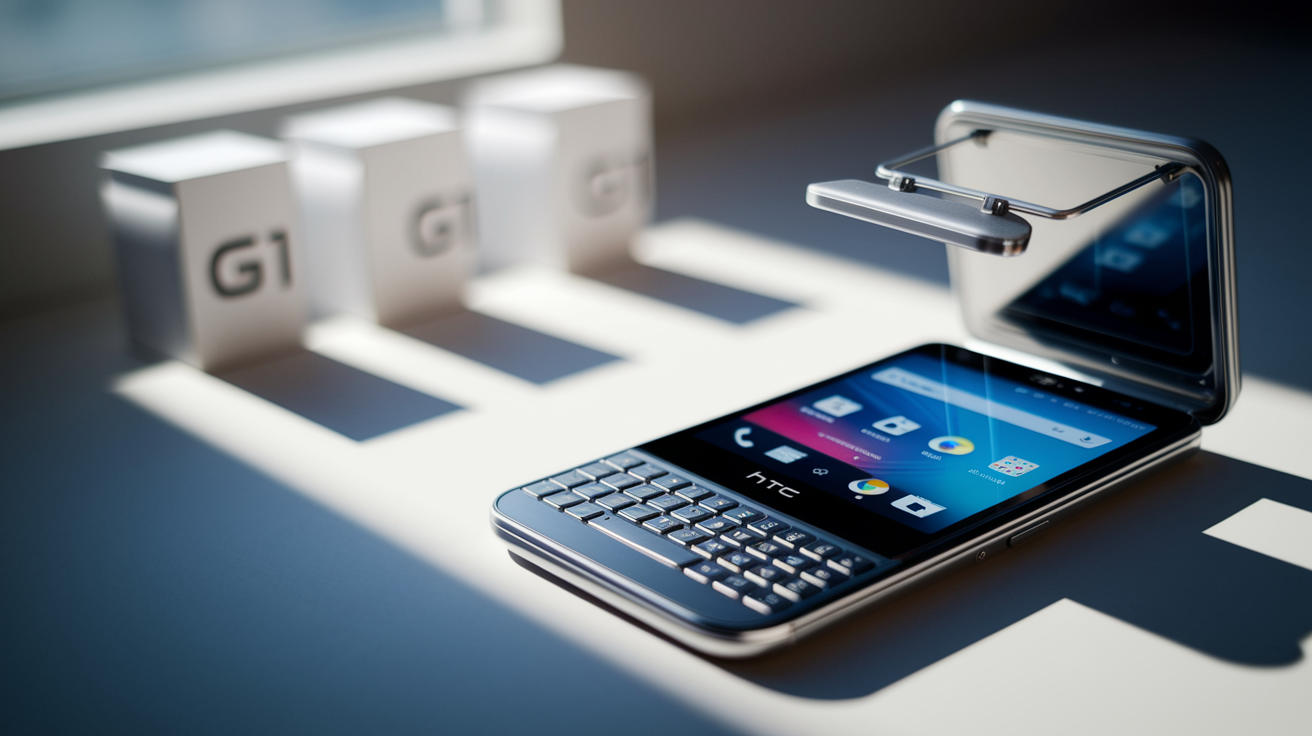
The HTC Dream (called the T-Mobile G1 in the US) became the first Android phone you could actually buy when it launched October 22, 2008. It cost $179 with a two-year contract, around $399 without. The device had a 3.2-inch touchscreen, a slide-out physical QWERTY keyboard, and a trackball for navigation.
T-Mobile partnered with Google to bring the G1 exclusively to its US network. HTC built it. Specs were modest: 192 MB of RAM, a 528 MHz Qualcomm processor, and a microSD card slot. That’s what early smartphones worked with.
The G1 showed off Android’s vision for tight Google services integration. Gmail, Google Maps, YouTube, and a WebKit-based browser all came pre-loaded. The touchscreen plus physical keyboard combo tried to appeal to people coming from BlackBerry-style devices while still embracing the touch-first design the iPhone had introduced a year earlier.
What Android 1.0 included:
- Android Market for downloading third-party apps
- Pull-down notification system for alerts and updates
- Home screen widgets for quick info
- Background processes so apps could run at the same time
Early Android Release Timeline (2007–2010)
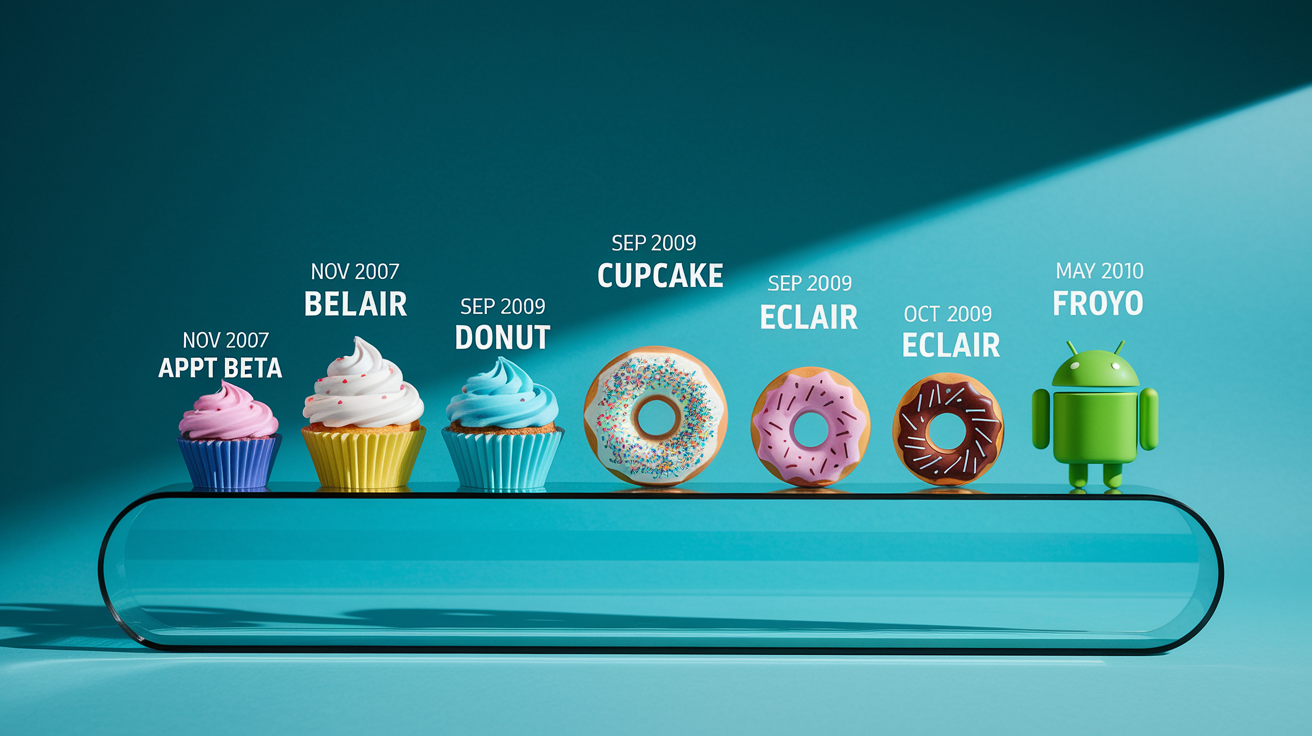
| Year/Version | Key Milestone |
|---|---|
| November 2007 (Beta) | First SDK and developer preview released; Open Handset Alliance announced |
| September 23, 2008 (1.0) | Official Android 1.0 launch; HTC Dream/T‑Mobile G1 shipping began October 22 |
| April 2009 (1.5 Cupcake) | First dessert codename; added on-screen keyboard, video recording, widgets |
| September 2009 (1.6 Donut) | CDMA network support, multiple screen sizes, quick search box |
| October 2009 (2.0/2.1 Eclair) | Live wallpapers, Google Maps navigation with voice, multi-touch improvements |
| May 2010 (2.2 Froyo) | Wi‑Fi hotspot, USB tethering, Adobe Flash support, automatic app updates |
Context: How Android’s Launch Compared to Competitors
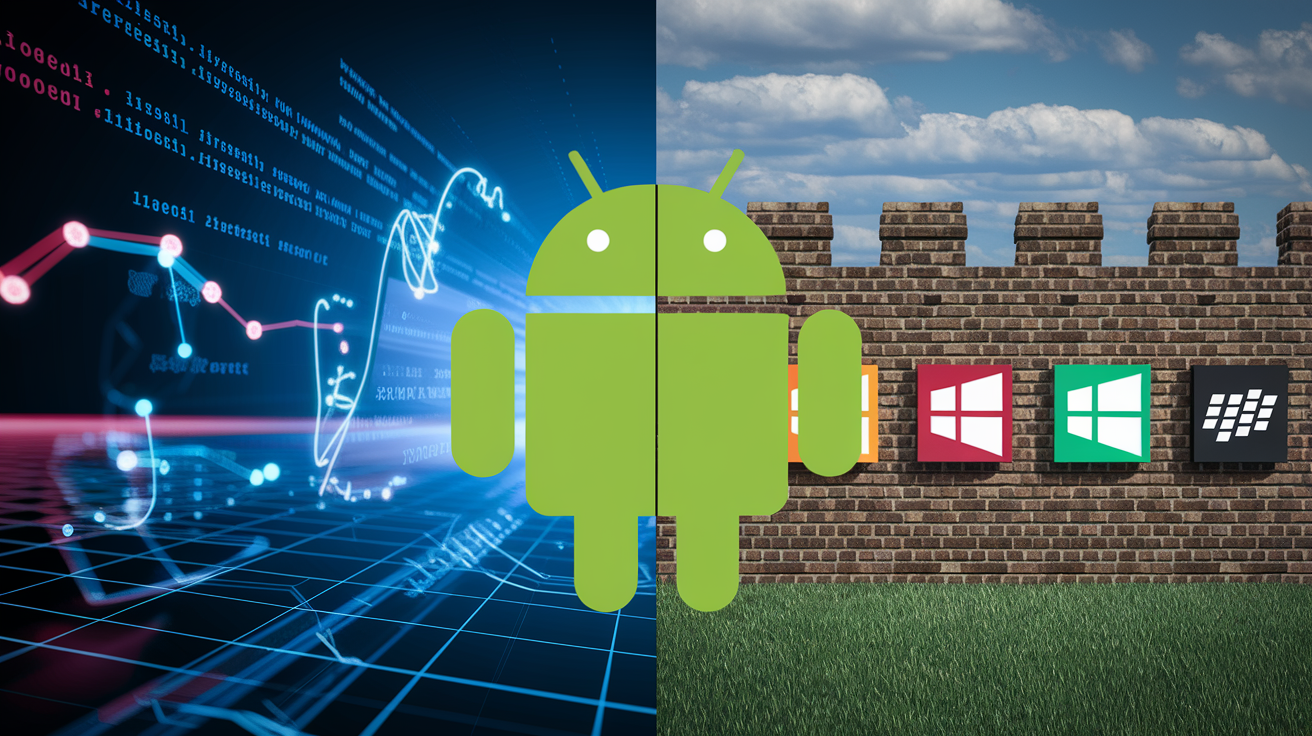
When Android 1.0 showed up in September 2008, Apple’s iPhone had been out for over a year already (since June 2007). The iPhone’s closed ecosystem and single-manufacturer setup was the opposite of Android’s open-source model, which let multiple hardware partners build devices with different specs and price points.
Symbian owned the global smartphone market in 2008, especially in Europe and Asia. Windows Mobile had a solid position in enterprise and North American markets. BlackBerry’s physical keyboard devices were still the business user standard. Android walked into a packed field.
But it stood out. Google’s web services integration, developer-friendly licensing, and commitment to fast iteration made the difference. Before Android launched, Nokia’s Symbian powered nearly half of all smartphones sold worldwide. Within five years, Android’s multi-manufacturer strategy had reshaped the entire market. The open ecosystem proved transformative. Manufacturers like Samsung, LG, and later Chinese brands could adopt Android without per-device licensing fees.
Final Words
September 23, 2008 — Android 1.0’s launch — started Google’s push into mobile. We covered Android Inc.’s origins, Google’s 2005 acquisition, the 2007 beta, and the HTC Dream/T‑Mobile G1 as the first phone.
We mapped early milestones up to Froyo and compared Android’s open strategy with iOS and older platforms. The article highlights key dates and features anyone tracking Android should know.
If you want the quick answer to when did android operating system launch: September 23, 2008. That start led to a fast-moving mobile era worth watching.
FAQ
Q: Who is world no 1 phone?
A: The world no 1 phone depends on the metric; by global shipments Samsung often leads, while the top-selling single models are frequently Apple iPhones.
Q: Who is older, iOS or Android?
A: iOS is older; Apple officially launched iPhone OS in 2007, while Android’s first public release arrived on September 23, 2008.
Q: Do billionaires use iPhone or Android?
A: Billionaires use both iPhone and Android; choice depends on personal preference, security needs, ecosystem support, and corporate policies that influence decisions.
Q: Did smartphones exist in 2004?
A: Smartphones did exist in 2004; early models from BlackBerry, Palm, and Windows Mobile offered email, web access, and PDA features years before modern touchscreen phones.