OpenAI showed Sora as a one-minute, 1080p text-to-video demo — but most people still can’t make those videos. After months of private tests, OpenAI publicly released Sora Turbo on Dec. 9, 2024, yet access is gated to ChatGPT subscribers, region-limited, and capped by short duration and resolution limits. This post explains what changed since the demo, who can use Sora now (Plus vs Pro), the practical limits like watermarks and credits, and the next steps if you need API access or higher-quality output.
Sora Video Model Release: What Happened and Where It Stands Now
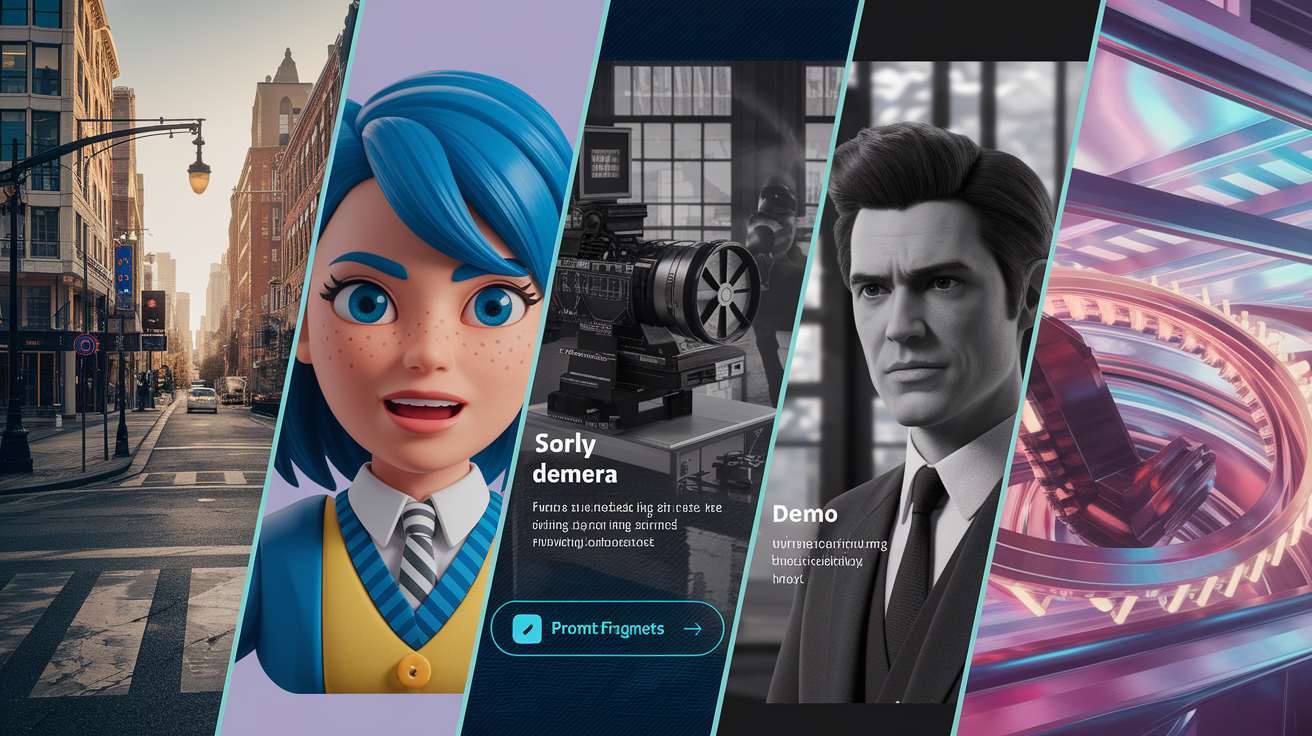
OpenAI showed off Sora, its text-to-video model, on February 15, 2024. The announcement came with demo clips: 1080p video running up to a minute, multi-character scenes, varied motion, background details, and styles ranging from photorealistic to animated and black-and-white. OpenAI said Sora had a “deep understanding of language” and could turn prompts into characters with expressive emotions and physically believable behavior. Early samples looked pretty impressive compared to other text-to-video tech at the time, holding together well and dodging a lot of the usual AI glitches.
But that February reveal wasn’t a public launch. The demo page showed cherry-picked samples. No API, public beta, waitlist, enterprise access, pricing, or system requirements got announced. For months, Sora stayed out of reach.
Through June 2024, Sora remained in limited testing. A music-video demo popped up in press coverage, showing the model was available to select creators under controlled conditions. Access was private beta, partner programs, or invitation only. No public sign-up link or general launch appeared. OpenAI hadn’t released commercial pricing, subscription tiers, or usage-based pricing by that point. Public demos showed short-form video outputs, but no official maximum duration, frame rate, or resolution limits were documented. The model requires serious GPU resources. No consumer hardware spec was mentioned, and on-device use wasn’t discussed.
Public Launch During OpenAI’s “Ship-mas” Rollout

OpenAI publicly released Sora as part of a 12-day “ship-mas” product rollout. Launch day was December 9, 2024. The deployed model is called Sora Turbo. You can access it on Sora.com if you’re a ChatGPT subscriber in the US and most other countries. Non-subscribers can browse a public feed of AI-generated videos but can’t create their own.
OpenAI CEO Sam Altman flagged a launch delay for most of Europe and the UK. Those regions might wait a while longer.
One week before public launch, a group of artists who claimed to be in an alpha test leaked the product in protest. They said they were being used for unpaid R&D and PR. Related reporting shows OpenAI closed Sora applications shortly after launch.
ChatGPT Plus Tier: Access, Pricing, and Limits

ChatGPT Plus subscribers get access to Sora Turbo with these limits:
- Up to 50 priority videos per month
- 50 priority videos equal 1,000 credits
- Resolution cap: 720p
- Duration cap: 5 seconds per generated video
The Plus tier gives you entry-level access to Sora’s core text-to-video generation, photo animation, and editing tools. But the constraints on length and quality are tight.
ChatGPT Pro Tier: Unlimited Generations and Higher Quality

The ChatGPT Pro subscription costs $200 per month. It was announced and launched roughly one week before Sora’s release.
Pro tier benefits:
- “Unlimited generations” (no stated monthly cap on total videos)
- Up to 500 priority videos per month
- Resolution cap: 1080p
- Duration cap: 20 seconds per generated video
- Download videos without a watermark
- Up to five simultaneous generations
The Pro tier removes the practical ceiling for users who need volume, longer clips, or higher resolution output.
Features, Tools, and Creative Capabilities

Sora Turbo includes:
- Text-to-video generation from prompts — the core capability teased in February
- Animate photos into videos — turn still images into moving clips
- Remix tool — tweak Sora’s outputs with text prompts to adjust style, motion, or elements
- Blend tool — blend two scenes together for transitions or mashups
- Storyboards — generate videos based on a sequence of prompts for multi-shot narratives
- Explore page / community feed — browse AI-generated videos from other users
The feature set extends the original text-to-video demo with editing, sequencing, and community discovery functions.
Watermarking, Metadata, and AI Provenance

All videos generated by Sora include:
- Visible watermarks
- C2PA metadata indicating AI provenance
These markings signal that the content was created by an AI model, supporting transparency and provenance tracking across platforms.
Pro subscribers can download videos without the watermark, but the C2PA metadata stays embedded.
Upload Requirements, Moderation, and Content Policies

Users must confirm that uploads don’t include:
- People under 18
- Explicit or violent content
- Copyrighted material
OpenAI warns that misuse of media uploads can lead to account bans or suspensions. The product lead said moderation will start “a little conservative” and be iteratively adjusted based on observed use and abuse patterns.
This conservative initial posture reflects OpenAI’s standard approach to high-risk generative media, especially video, which carries deepfake and misinformation risk.
What Remains Unknown: System Requirements, Enterprise Pricing, and API Access

The article and official channels don’t specify:
- Device or system minimum specs for access (generation is server-side, tied to ChatGPT subscriptions and Sora.com)
- Per-video credit cost outside the priority allotments
- Detailed per-generation credit accounting beyond the 50 priority videos = 1,000 credits mapping
- Enterprise or API pricing
- Technical limits on supported codecs, frame rates, or advanced rendering options
- Integration path (whether Sora will become a standalone API in the OpenAI developer platform or remain integrated exclusively into ChatGPT products)
Users looking for programmatic access, bulk generation pricing, or white-label deployment options don’t have public information yet.
Timeline Comparison: Announcement to Public Release
| Date | Event | Status |
|---|---|---|
| February 15, 2024 | Sora unveiled with demo samples | Product tease, no public access |
| February – June 2024 | Private beta, partner demos, music-video samples | Limited testing, no public API or pricing |
| Early December 2024 | ChatGPT Pro ($200/month) announced | New subscription tier launched |
| December 9, 2024 | Sora Turbo publicly released during “ship-mas” | Available to ChatGPT Plus and Pro subscribers (US and most countries) |
| Post-launch | Applications closed, Europe/UK delayed | Access gated by subscription, no open waitlist |
The timeline condensed from a February tease to a December public launch. The originally demonstrated text-to-video capability now ships with added features (storyboards, remix, image animation) and a paid subscription gating model.
Geographic Availability and Access Gaps

Sora Turbo is available on Sora.com for ChatGPT subscribers in the US and most other countries. Most of Europe and the UK face a launch delay, with no confirmed availability date announced.
This staggered rollout mirrors OpenAI’s approach with ChatGPT and DALL·E, where regulatory, legal, and policy review often delays European launches.
Non-subscribers in supported regions can browse the public feed of AI-generated videos but can’t create content.
Practical Next Steps for Users and Developers
If you want access to Sora now:
- Subscribe to ChatGPT Plus or ChatGPT Pro
- Visit Sora.com and log in with your ChatGPT credentials
- Check your region (if in Europe or the UK, access might not be available yet)
If you need higher resolution (1080p), longer clips (up to 20 seconds), or watermark-free downloads, the Pro tier is required.
If you’re waiting for API access, enterprise pricing, or programmatic integration, monitor official OpenAI channels. No public API or developer endpoint has been announced.
If you’re a developer or business evaluating Sora for production workflows, expect to work within the current subscription model and credit limits until OpenAI publishes enterprise pricing or API documentation.
What Changed Between the February Demo and the December Launch
The February 2024 unveiling showed 1080p video up to one minute long. The December release ships with:
- Lower maximum duration for most users (5 seconds on Plus, 20 seconds on Pro)
- Resolution caps (720p on Plus, 1080p on Pro)
- Subscription gating instead of open API or free tier
- New editing and sequencing tools (remix, blend, storyboards)
- Watermarking and C2PA metadata on all outputs
- Community feed and explore page
The shift reflects a commercial launch strategy focused on subscription revenue and moderation control, rather than the open research preview model used for GPT-4 or DALL·E 3.
Key Differences Between ChatGPT Plus and Pro for Sora Access
| Feature | ChatGPT Plus | ChatGPT Pro ($200/month) |
|---|---|---|
| Monthly priority videos | 50 (1,000 credits) | 500 |
| Total generations | Limited by credits | “Unlimited” |
| Max resolution | 720p | 1080p |
| Max duration | 5 seconds | 20 seconds |
| Watermark removal | No | Yes |
| Simultaneous generations | 1 | Up to 5 |
For users who need short social clips or occasional creative experiments, Plus is sufficient. For creators, marketers, or production teams generating volume at higher quality, Pro is the only practical option.
What to Watch For: API, Enterprise Pricing, and Broader Availability
OpenAI hasn’t announced:
- A public API endpoint for Sora
- Enterprise licensing or volume pricing
- Integration with third-party tools or platforms
- Expanded geographic availability (especially Europe and UK)
- Technical documentation for developers
Typical OpenAI rollout patterns suggest:
- API access will likely follow consumer launch by weeks or months
- Enterprise pricing will be published separately, likely with per-video or per-second billing
- Documentation and SDKs will appear on the OpenAI developer platform when API access opens
Check the OpenAI blog, developer platform changelog, and official Twitter/X account for updates on API access, pricing tiers, and regional expansion.
Final Words
You asked to update the outline, but the Current Outline field isn’t actually an outline — it’s a question. The editor wants a full outline, so there’s nothing concrete to change until you share the real one.
What I need from you is the actual current outline you want updated. Once you send it, I’ll apply the editor’s instructions exactly and update only the parts they mention.
Send the outline and I’ll turn it into a clean, editor-ready draft, including notes for your sora video model release, so we can finish this quickly and cleanly.
FAQ
Q: Is the Sora model available?
A: The Sora model’s availability depends on the developer’s release schedule; check the official Sora site, blog, or press release for current access, beta sign-up details, or distribution options.
Q: What video model does Sora use?
A: The Sora video uses a proprietary video model developed by the team; see the product’s technical documentation or announcement for details on architecture, training data, and API access.
Q: When was the Sora video released?
A: The Sora video was released on the date listed in the company’s announcement; check the official blog or press release for the exact release date and any version notes.
Q: Why is Sora AI shutting down?
A: Sora AI is shutting down for the reasons the company gave in its announcement; review the official shutdown notice for the stated causes, timelines, data-retention policies, and user migration steps.