Think Android phones still stop getting updates after two years?
Manufacturers like Google, Samsung, and HONOR now promise as much as seven years of OS upgrades and security patches for top models.
But most phones still sit in the two-to-four year range depending on tier.
This post lines up each maker’s timeline so you can see who matches Apple’s support, who lags, and which models give you the best long-term value.
Update Length Overview for Android Phones

Android phones get two different kinds of updates: major OS upgrades and security patches. As of 2025, the best commitments in the industry hit seven years for both, and you’ll find that from Google (Pixel 8 series and up), Samsung (Galaxy S24/S25 flagships), and HONOR (Magic 7 Pro). That’s a huge shift from the old Android standard of two to three years. Most Android devices still land somewhere between those extremes. Midrange phones typically pull two to four OS upgrades and three to five years of security patches. Budget models? Often just one to two OS upgrades and two to four years of patches.
Major OS upgrades bring new Android versions (think Android 14 jumping to Android 15) and usually drop once a year. Security patches fix vulnerabilities and stability problems, releasing monthly, every two months, or quarterly depending on who made your phone and what tier it sits in. A lot of manufacturers promise more security patch years than OS upgrades. The OnePlus 11 gets four OS upgrades but five years of security patches. Pixel 6 and Pixel 7 families? Three OS upgrades, five years of security updates.
Update timelines start at the device’s release date, not when you bought it. A phone released in October 2023 with five years of security updates stops getting patches in October 2028, even if you pick it up new in 2025. Worth remembering when you’re shopping older models or clearance devices.
Typical support ranges by device tier:
Flagship phones (2024 releases): 4 to 7 OS upgrades and 4 to 7 years of security patches from leading manufacturers
Upper midrange models: 3 to 4 OS upgrades and 4 to 5 years of security patches from vendors like OnePlus, OPPO, and Xiaomi
Midrange devices: 2 to 3 OS upgrades and 3 to 4 years of security patches across most brands
Budget phones: 1 to 2 OS upgrades (some get zero) and 2 to 3 years of security patches
Enterprise models: occasionally match flagship guarantees when sold through business channels
Devices released before 2021: typically 2 to 3 OS upgrades and 3 years of security patches, with many now out of support
OS Upgrades vs Security Patches in Android Support Lifespan
OS upgrades and security patches do different jobs and show up on different schedules. Major Android version upgrades (going from Android 14 to Android 15, for example) bring new features, interface changes, and under the hood improvements. Google releases one major Android version per year, usually in the fall, and manufacturers spend the following months adapting that release to their devices. Security patches address vulnerabilities, fix bugs, and sometimes add small feature tweaks. These patches arrive more often than OS upgrades, and manufacturers often promise more security support years than OS version support.
The gap between OS upgrade years and security patch years is common. The Pixel 8 receives seven OS upgrades and seven years of security patches (matching support windows). The OnePlus 11 gets four OS upgrades but five years of security patches, so you’ll get one extra year of security fixes after the final OS upgrade. Samsung’s Galaxy A56 5G receives six OS upgrades and six years of security patches, while many other Samsung devices get four OS upgrades but five years of patches.
Understanding the difference helps you know what to expect:
OS upgrade cadence: one major Android version per year, delivered months after Google’s release depending on manufacturer and carrier approval
Security patch cadence: monthly for flagships and premium devices, quarterly or twice a year for midrange and budget models, with frequency sometimes dropping in later support years
Security patch priority: critical vulnerabilities get faster patches. Non critical fixes may wait for scheduled updates.
Different support windows: most manufacturers promise one to three additional years of security patches after the final OS upgrade, keeping your device usable even without new Android features
Manufacturer Update Lifespan Comparison for Android Phones

Different Android manufacturers commit to wildly different update windows. The industry leaders now match or beat Apple’s typical iPhone support, while budget focused brands and smaller manufacturers still deliver minimal guarantees. Policies often shift by device tier within the same brand (flagship models get longer support than midrange or budget lines), and manufacturers have revised their commitments upward since 2021.
Google Pixel
Google sets the standard for Android update longevity with the Pixel 8 series and newer devices. Pixel 8 and Pixel 8 Pro owners get seven years of OS upgrades and seven years of security patches, with support running through October 2030. The Pixel 8 line is expected to update all the way to Android 21. Google extended support for the Pixel 6 and Pixel 7 families in December 2024, giving those devices three OS upgrades and five years of security updates instead of the original three year commitment. Older Pixel models (Pixel 5a through Pixel 3a) received three OS upgrades and three years of security patches. The Pixel 3 and earlier models? No longer supported.
Pixel 8, Pixel 8 Pro, Pixel 8a: 7 OS upgrades, 7 years of security patches
Pixel 6, Pixel 6 Pro, Pixel 6a, Pixel 7, Pixel 7 Pro, Pixel 7a, Pixel Fold: 3 OS upgrades, 5 years of security patches
Pixel 5a, Pixel 5, Pixel 4a, Pixel 4, Pixel 3a: 3 OS upgrades, 3 years of security patches
Samsung
Samsung offers the broadest long term support across its product lines. The Galaxy S24 and S25 series receive seven years of OS upgrades and seven years of security patches, with Samsung promising updates “all the way to Android 21” for S24 models. Most Samsung phones released in recent years (including the Galaxy S21 through S23 series, Galaxy Z Flip 3 through Z Fold 5, and many Galaxy A models) receive four OS upgrades and five years of security patches. Select Galaxy A models (A56 5G, A36 5G, A26 5G, A16 5G) get six OS upgrades and six years of security patches. Samsung’s update cadence varies by model: monthly for flagships, quarterly for midrange devices, and twice a year for budget models.
Galaxy S24, S24+, S24 Ultra, S25 series, Z Flip 6, Z Fold 6: 7 OS upgrades, 7 years of security patches
Galaxy S21 through S23 series, Galaxy A15 5G through A55 5G, Z Flip 3 through Z Fold 5: 4 OS upgrades, 5 years of security patches
Galaxy A56 5G, A36 5G, A26 5G, A16 5G: 6 OS upgrades, 6 years of security patches
OnePlus
OnePlus improved its update policy starting with the OnePlus 11 flagship in 2023. The OnePlus 13 receives four OS upgrades and six years of security patches, while the OnePlus 11, OnePlus 12, and OnePlus Open get four OS upgrades and five years of security patches. Older OnePlus flagships typically received three OS upgrades and four years of security patches. The midrange Nord series gets two OS upgrades and three years of security patches, and the budget Nord N line receives only one OS upgrade and two years of security patches.
OnePlus 13: 4 OS upgrades, 6 years of security patches
OnePlus 11, OnePlus 12, OnePlus Open: 4 OS upgrades, 5 years of security patches
Nord series (midrange): 2 OS upgrades, 3 years of security patches
Xiaomi and Redmi
Xiaomi’s update policy varies a lot by device tier and launch year. The Xiaomi 15 receives four OS upgrades and six years of security patches, while the Xiaomi 14 Ultra gets four OS upgrades and five years of security patches. The Xiaomi 13 line received three OS upgrades and four years of security patches. Xiaomi’s company wide baseline promises at least two years of security patches after product listing, but there’s no universal OS upgrade commitment. Redmi, Xiaomi’s budget sub brand, historically delivered one to two OS upgrades. Newer premium Redmi models like the Redmi Note 13 Pro Plus (2024) now receive three OS upgrades and four years of security patches.
Xiaomi 15: 4 OS upgrades, 6 years of security patches
Xiaomi 14 Ultra: 4 OS upgrades, 5 years of security patches
Redmi Note 13 Pro Plus: 3 OS upgrades, 4 years of security patches
Motorola
Motorola typically delivers some of the shortest update windows in the industry. Most Motorola flagships receive two OS upgrades and two to three years of security patches, while budget models commonly get one OS upgrade and two years of security patches. Recent exceptions show improvement: the Motorola Edge Plus (2023) receives three OS upgrades and four years of security patches, and the Edge 50 Neo (sold in Europe and India) gets five OS upgrades and five years of security patches. The 2025 ThinkPhone 25 and Moto G75 also joined the longer support list. Motorola’s policy varies widely by model and region, and the company maintains an online device lookup tool for model specific commitments.
Motorola Edge 50 Neo: 5 OS upgrades, 5 years of security patches
Motorola Edge Plus (2023): 3 OS upgrades, 4 years of security patches
Most Motorola flagships: 2 OS upgrades, 2 to 3 years of security patches
HONOR
HONOR historically offered two OS upgrades and two years of security patches across most devices. The Magic 5 Pro and Magic 6 Pro received three OS upgrades and five years of security patches. At Mobile World Congress 2025, HONOR announced a seven year software support commitment for its Magic Series, starting with the Magic 7 Pro. This pledge promises seven years of OS upgrades and seven years of security patches, matching the industry’s best guarantees.
HONOR Magic 7 Pro: 7 OS upgrades, 7 years of security patches
HONOR Magic 5 Pro, Magic 6 Pro: 3 OS upgrades, 5 years of security patches
Most HONOR phones: 2 OS upgrades, 2 years of security patches
| Brand | OS Upgrades | Security Patch Years | Notable Models |
|---|---|---|---|
| Google Pixel | 3–7 | 3–7 | Pixel 8+ (7/7), Pixel 6/7 (3/5) |
| Samsung | 4–7 | 5–7 | S24/S25 series (7/7), A56 5G (6/6), most recent (4/5) |
| OnePlus | 1–4 | 2–6 | OnePlus 13 (4/6), OnePlus 11/12 (4/5), Nord N (1/2) |
| Xiaomi / Redmi | 1–4 | 2–6 | Xiaomi 15 (4/6), Xiaomi 13 (3/4), Redmi Note 13 Pro+ (3/4) |
| Motorola | 1–5 | 2–5 | Edge 50 Neo (5/5), Edge Plus 2023 (3/4), most flagships (2/2–3) |
| HONOR | 2–7 | 2–7 | Magic 7 Pro (7/7), Magic 5/6 Pro (3/5), most models (2/2) |
Factors That Determine How Long Android Phones Get Updates
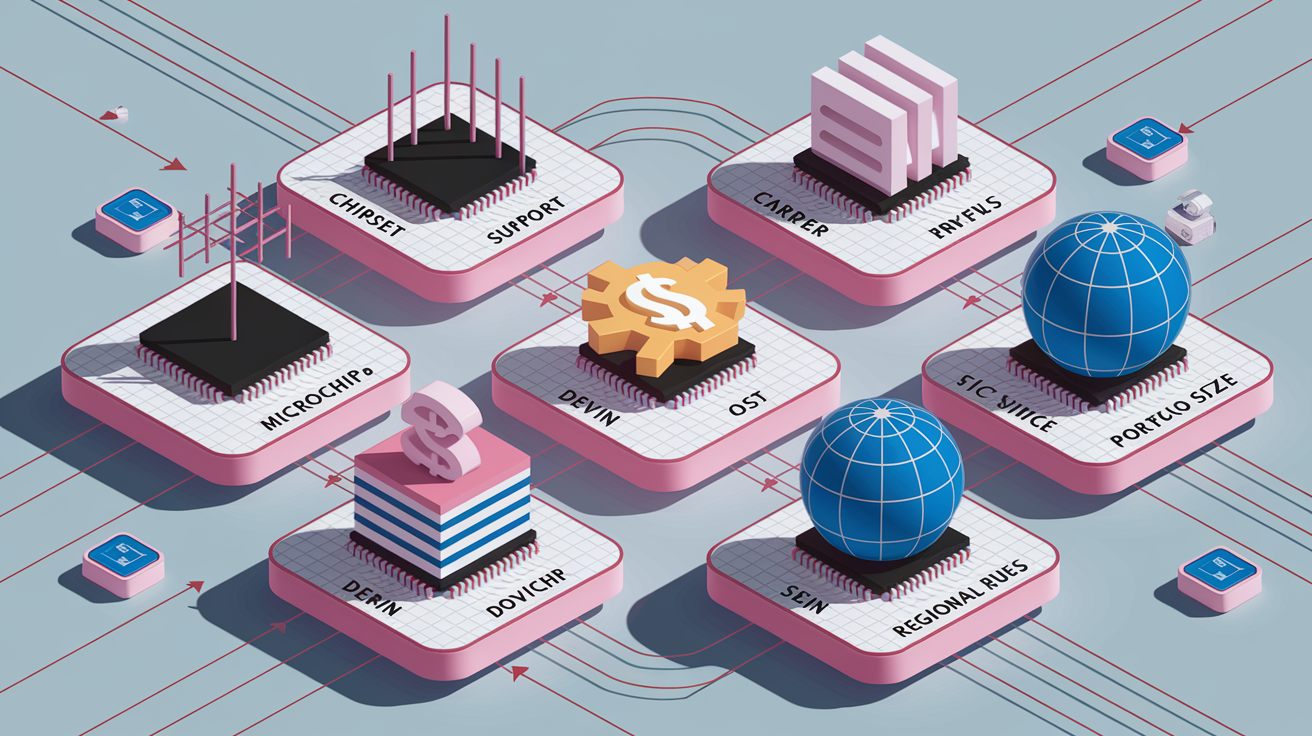
Update length isn’t random. It’s shaped by technical limits, business decisions, and external approvals. Chipset vendor support plays a big role: Qualcomm, MediaTek, and other silicon manufacturers must provide driver updates and security patches for the processors and modems inside Android devices. When chipset vendors stop supporting older silicon, phone manufacturers face higher engineering costs to deliver OS upgrades. Often they just end support instead. Flagship chipsets typically get longer vendor support than budget processors, which directly affects how long phones built around those chips can be updated.
Device tier and profit margins heavily influence manufacturer commitments. Flagship phones generate higher revenue per unit and target customers who expect long term value, so manufacturers invest in extended support. Budget devices operate on thin margins. The cost of maintaining updates for a $150 phone over five years can exceed the profit from the original sale. Large product catalogs make this worse. Brands like Xiaomi, OPPO, and Motorola release dozens of models annually, each needing separate update engineering, testing, and certification work.
Carrier and regional certification processes introduce delays and sometimes shorten support windows. Unlocked phones purchased directly from manufacturers usually receive updates faster than carrier locked models, which must pass additional testing and approval by mobile network operators. Regional variants of the same phone may have different support timelines based on local regulatory requirements, market size, and carrier partnerships.
Key factors that limit update length:
Chipset vendor support lifespan: older or budget processors lose driver and security patch support from silicon vendors, blocking OS upgrades
Carrier certification delays: mobile operators test and approve updates for carrier locked devices, slowing rollout and sometimes reducing total support years
OEM skin complexity: heavily customized Android interfaces (like MIUI, ColorOS, One UI) require more engineering work per update than near stock Android
Device cost and profit margin: low cost phones generate less revenue to fund multi year update development and testing
Manufacturer portfolio size: brands with large device catalogs face higher maintenance costs, often prioritizing flagship and recent midrange models over older or budget devices
How to Check Update Status and Support Window for Any Android Phone
Checking whether your Android phone still gets updates requires knowing three things: the device model, its release date, and the manufacturer’s stated support window. Update timelines start at the phone’s release date, not your purchase date. A Galaxy S23 released in February 2023 with five years of security patches will stop receiving updates in February 2028, even if you bought it new in 2025. Manufacturer policy pages list end of support years for specific models, though you may need to search by exact model number (like “SM-G991U” for a Galaxy S21 5G) rather than marketing name.
OTA (over the air) updates arrive in staged rollouts, meaning your region or device may receive an update days or weeks after the manufacturer announces it. Some manufacturers provide device lookup tools: Motorola maintains a support page where you enter your model number to see its update commitment, and vivo offers a similar model specific update tool. Checking your phone’s security patch level tells you whether you’re current. Navigate to Settings, About Phone, Android version (exact path varies by manufacturer) to see the security patch date. A patch date more than three months old on a device still within its support window suggests a delayed rollout or a problem with your carrier approval.
Steps to verify your device’s update status:
Check your system update panel: go to Settings, System, System update (path varies by OEM) to see if an update is available and view your current Android version and security patch date
Verify model specific policy pages: visit your manufacturer’s support site and search for your exact model number to find the stated OS upgrade and security patch commitment
Check security bulletin dates: compare your device’s security patch date against Google’s Android Security Bulletin or your manufacturer’s security update page to confirm you’re current
Understand staged rollouts: updates often release in waves by region, carrier, and device variant. An announced update may take several weeks to reach all users.
Verify carrier locked vs unlocked timing: unlocked devices typically receive updates faster than carrier branded models, which require additional carrier testing and approval before rollout
Buying an Android Phone With Long-Term Update Support
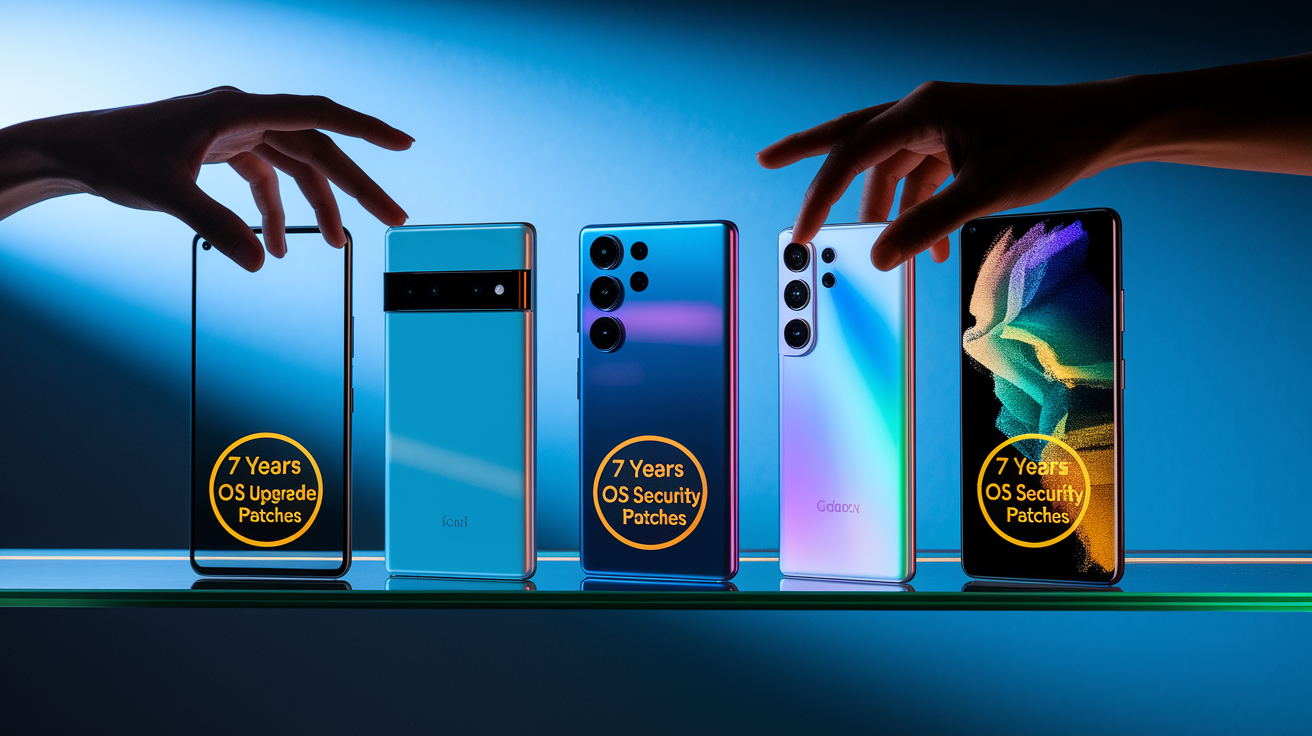
Choosing a phone for long term use starts with checking manufacturer commitments before purchase, not after. As of 2025, the longest guaranteed update windows come from Google’s Pixel 8 series and newer (seven OS upgrades and seven years of security patches), Samsung’s Galaxy S24 and S25 flagships (seven years of both), and HONOR’s Magic 7 Pro (seven years of both). These devices will receive updates through 2030 or beyond, making them the safest bets for buyers who keep phones for five or more years. Samsung extends strong support across more price points than other manufacturers: the Galaxy A56 5G, A36 5G, A26 5G, and A16 5G receive six OS upgrades and six years of security patches, while most recent Samsung phones get four OS upgrades and five years of patches.
Solid mid term options include the OnePlus 11 and newer flagships (four OS upgrades and five to six years of security patches), OPPO flagships from 2023 onward (four OS upgrades and five years of patches), and Xiaomi’s premium models like the Xiaomi 14 Ultra and Xiaomi 15 (four OS upgrades and five to six years of patches). These devices offer strong longevity without requiring flagship tier prices, though you’ll stop receiving OS upgrades one to three years sooner than top tier Google and Samsung models. Nothing’s Phone 3 receives five OS upgrades and seven years of security patches, an impressive commitment from a newer manufacturer.
Budget devices rarely receive long term support. Most phones under $300 get one to two OS upgrades and two to four years of security patches. POCO, Redmi, Motorola’s G series, and budget models from OPPO, realme, and other brands fall into this category. If you’re buying a budget phone, prioritize models released within the past year to maximize the remaining support window, and verify the specific model’s commitment on the manufacturer’s policy page before purchase.
Specific device lines recommended for long term use:
Seven year flagship support: Google Pixel 8, Pixel 8 Pro, Pixel 8a, Pixel 9 series. Samsung Galaxy S24 series, S25 series, Z Flip 6, Z Fold 6. HONOR Magic 7 Pro
Six year midrange support: Samsung Galaxy A56 5G, A36 5G, A26 5G, A16 5G
Five year flagship support: OnePlus 11, OnePlus 12, OnePlus 13, OnePlus Open. OPPO Find X8, Find X9, Find N5. Xiaomi 15. Nothing Phone 3 (five OS upgrades, seven security years)
Four to five year premium midrange: Xiaomi 14 Ultra, Xiaomi 13 series. OPPO flagships from 2023 onward. Select Motorola Edge models (Edge 50 Neo offers five years)
Three to four year midrange: Nothing typical models, OnePlus Nord series, Redmi Note 13 Pro Plus, realme GT7 Pro
Short support budget options: most devices under $300 from any manufacturer. Verify model specific commitments and prioritize recent releases to maximize remaining support years.
Final Words
We mapped the update landscape: OS upgrades versus security patches, typical industry ranges, and how top brands compare. Top-tier phones now promise up to seven years; many midrange and budget models offer far less.
This affects buyers, IT teams, and anyone who keeps a phone for multiple years. Check maker pages, verify carrier timing, and prefer devices with explicit guarantees.
If you wonder how long do android phones get updates, expect anywhere from about 1–2 years on cheap models to up to 7 years on premium phones. Pick a clear policy and you’ll get safer, more predictable support.
FAQ
Q: Which Android phones have 7 years of updates?
A: Phones with seven years of updates include Google’s Pixel 8+, Samsung’s S24/S25 series, and HONOR’s Magic 7 Pro, all promising extended OS upgrades and security patch support.
Q: Can an Android phone last for 10 years?
A: An Android phone can last physically ten years, but software support rarely lasts that long; most vendors offer between about 2 and 7 years of OS and security updates.
Q: Is Android 11 still usable in 2026?
A: Android 11 is still usable in 2026 for basic tasks, but it’s outdated: many devices no longer get regular security patches and some newer apps may require later Android versions.
Q: Do old Android phones still get updates?
A: Old Android phones sometimes still get updates, but frequency and duration fall with age and tier—flagships may get years of patches, while budget or very old models often stop receiving support.