Do you automatically get your money back when a device is recalled?
Short answer: not always.
Federal rules require one remedy: repair, replacement, or refund, but the recall notice tells you which applies.
Who’s affected depends on the agency, the recall type, and how dangerous the defect is.
This post walks you through how to confirm a recall, what raises your chances of a refund, what documents to gather, and what to do if a claim is delayed or denied.
Read on to know your rights and the exact next steps.
Understanding Your Refund Rights When a Device Is Recalled
Whether you’ll get a refund for a recalled device comes down to the recall type and what the manufacturer or regulatory agency decides to offer. Federal law says recalls must provide at least one fix: repair, replacement, or refund. But you don’t always get to pick.
The official recall notice spells out which options you’ve got. Look for it from the manufacturer or a federal agency like the CPSC, FDA, or NHTSA.
Refunds show up most often when the product’s dangerous enough that fixing it doesn’t make sense, when repair parts aren’t around, or when there’s just no safe way to patch the problem. Compulsory recalls (the ones agencies force companies to do) sometimes come with stricter terms, including mandatory refunds. Voluntary recalls give manufacturers more wiggle room, and a lot of them stick to repairs or replacements to keep costs down.
Your shot at a refund depends on a few things:
Severity of the safety risk. Recalls for fire, shock, poisoning, or choking hazards tend to include refunds more often.
Availability of repairs. If replacement parts don’t exist or the fix is impossible, refunds become more likely.
Replacement inventory. When there’s no safer model sitting in stock, companies may just refund you instead.
Mandatory vs. voluntary classification. Forced recalls can push stricter remedy terms, refunds included.
Manufacturer remedy policy. Some companies offer refunds even when they’re only required to repair.
How the Recalled Device Refund Process Works
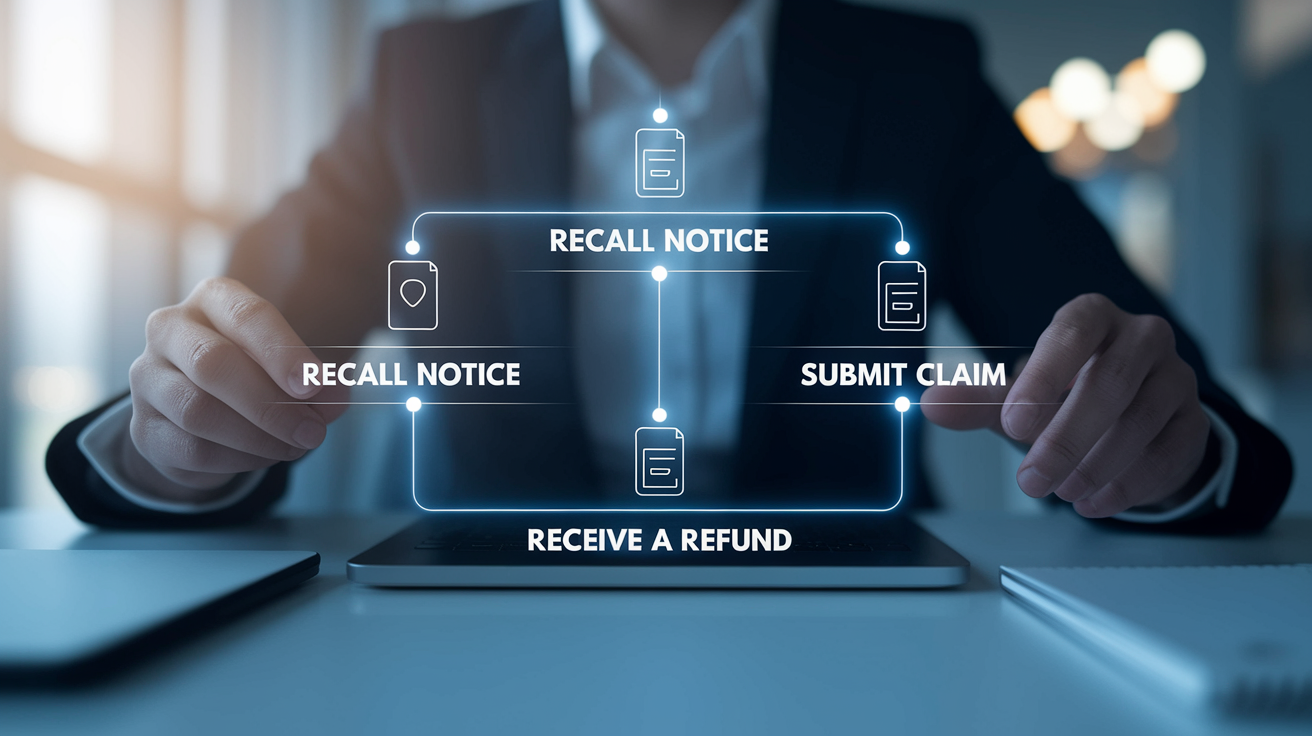
Stop using the device first. Then track down the official recall notice. Most get posted on Recalls.gov, the manufacturer’s site, or sent directly if you’re a registered owner. The notice explains the hazard, lists affected models and serial numbers, and walks you through what happens next: repair appointment, replacement shipment, or refund form.
Once you’ve confirmed the recall applies to your device, reach out to the manufacturer or the retailer where you bought it. How long refunds take varies wildly. Simple recalls with clear proof of purchase can process in two to four weeks. Big ones involving thousands of units? Several months, easy.
Here’s what the typical claim looks like:
Stop using the device right away and pull up the recall notice on Recalls.gov or the manufacturer’s site.
Grab your documentation: proof of purchase, model and serial numbers, photos of the device, the recall notice itself.
Contact the manufacturer or retailer using whatever method they list in the notice. Phone, online form, mail.
Submit your claim with the required docs and follow any extra steps they throw at you. Returning the device, snapping photos, filling out affidavits.
Track your claim. Save any confirmation number or tracking link they give you.
Watch your email, phone, and mail for status updates, approval, or requests for more info.
Where to Confirm a Device Recall Before Requesting a Refund

Before you ask for a refund, make sure your device is actually recalled. Official notices get published by federal agencies and manufacturers, and searching these databases keeps you from chasing ghosts. Recalls.gov is your starting point. It covers products from the CPSC, FDA, NHTSA, and other regulators.
You’ll need some basic info to search effectively: brand name, model number (usually on a label or in settings), sometimes the serial number or manufacturing date. Plug that into the right agency database and you’ll see if there’s a recall and what remedy’s available.
| Agency | Product Type | Lookup Info Required |
|---|---|---|
| Consumer Product Safety Commission (CPSC) | Electronics, household devices, toys | Product name, model number, brand |
| Food and Drug Administration (FDA) | Medical devices, cosmetics, drugs | Model number, lot number, device identifier |
| National Highway Traffic Safety Administration (NHTSA) | Motor vehicles, vehicle equipment | VIN (vehicle identification number), make, model, year |
| U.S. Department of Agriculture (USDA) | Meat, poultry, egg products | Product name, establishment number, lot code |
Documentation Needed to Get a Refund for a Recalled Device
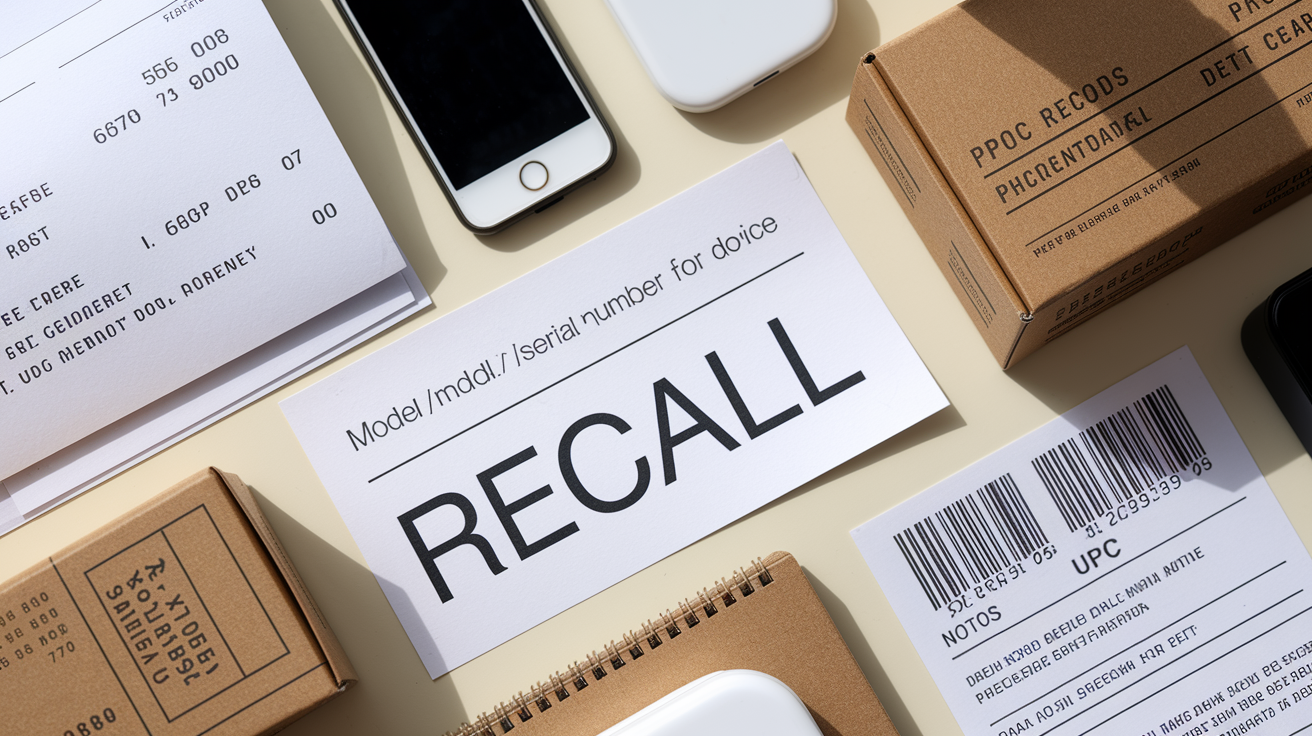
You don’t always need a receipt. Lots of manufacturers and agencies accept alternative proof of ownership, especially when safety’s involved. A bank or credit card statement showing the purchase works. So does a photo of the device with visible model and serial numbers, order confirmations from online retailers, or even a sworn statement that you own the thing.
That said, complete documentation speeds things up. If you’ve got your receipt, include it. If not, prep the next best evidence and be ready to explain when and where you bought it. Strong documentation also protects you legally if you later need to pursue a damage claim for injury or property loss tied to the defect.
Collect these before you file:
Proof of purchase. Receipt, invoice, bank statement, order confirmation email.
Model and serial numbers. Check labels, packaging, or device settings screens.
Photos of the device. Clear shots showing brand, model, serial, and any visible defect or damage.
Recall notice. Save the email, letter, or web page announcing it.
Packaging and UPC code. If you still have the box, snap photos of barcodes and labels.
Communication records. Emails, chat logs, call notes from manufacturer customer service.
Manufacturer vs. Retailer Responsibilities in Recall Refunds

Manufacturers usually handle refunds, repairs, or replacements during a recall. They designed the product, control the supply chain for parts, and carry legal liability for defects. When a recall drops, the manufacturer manages the remedy process: coordinating repairs, shipping replacement units, processing refund checks. Retailers might help by collecting returned items or passing along consumer info to the manufacturer, but the financial and logistical weight falls on the company that made it.
Sometimes, especially with products sold through big retail chains, the retailer offers a direct refund or exchange at the point of sale. Makes things simpler for you. This happens more with voluntary recalls and products still inside a standard return window. Retailers aren’t legally required to refund recalled items unless the recall notice says so or they choose to go beyond minimum requirements as a customer service thing.
Compulsory recalls shift more control to federal agencies. When the CPSC, FDA, or NHTSA mandates a recall, the agency can set remedy terms, timelines, even oversee refund distribution. Manufacturers have to comply. Consumers get stronger enforcement options if the company doesn’t provide what’s required.
If you’re not sure who handles your refund, check the recall notice for contact info. It’ll specify whether to reach out to the manufacturer, the retailer, or a third-party administrator set up for the recall.
Refund vs Replacement Options for a Recalled Device
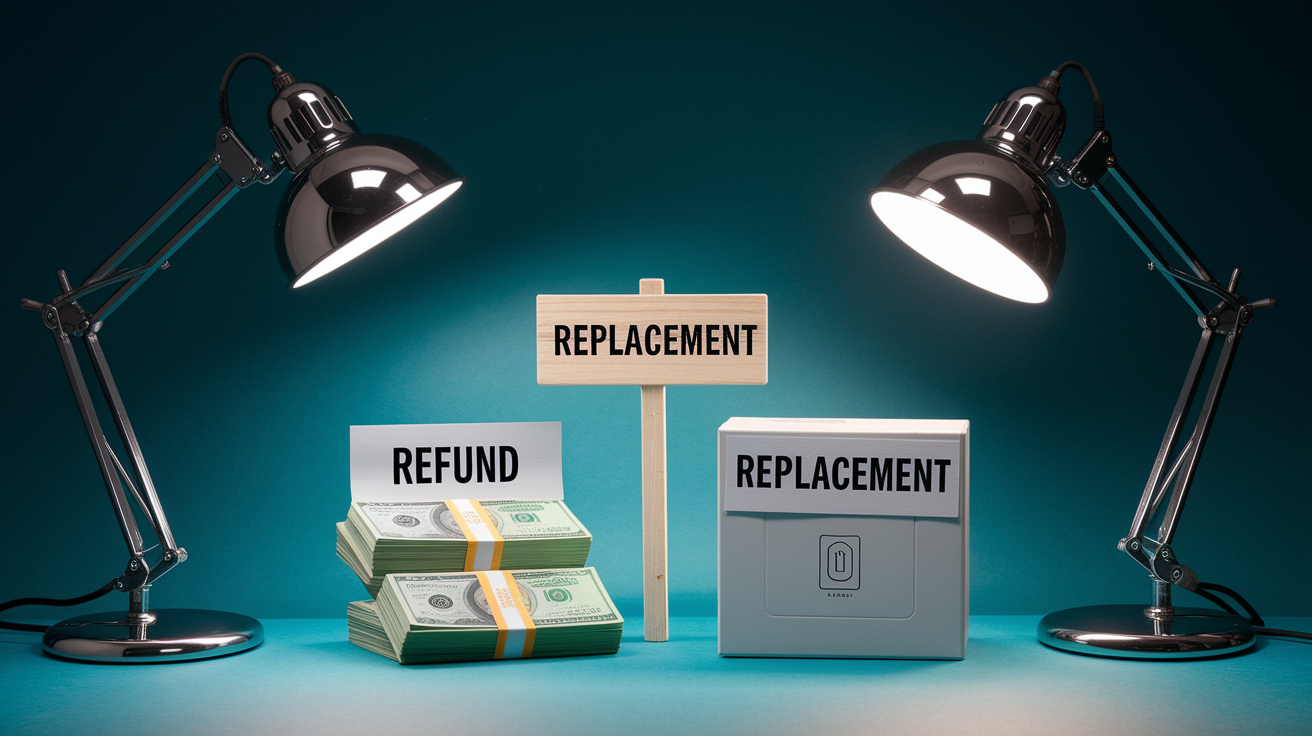
Refunds, repairs, and replacements each fit different situations. The recall notice explains which remedy applies to your device. Refunds happen most when the product can’t be repaired safely, when replacement inventory isn’t available, or when the defect’s serious enough that continued use (even of a repaired unit) is too risky. A battery that can catch fire? That might get you a full refund instead of a replacement, especially if there’s no safer version yet.
Repairs work for devices with isolated component failures that can be fixed without swapping the whole unit. Replacements get offered when a safe, corrected version exists and the manufacturer would rather swap the defective unit than cut checks. Some recalls give prorated refunds based on how old or beat up the device is.
What you get depends on:
Severe safety hazard with no safe repair. Refunds get prioritized when fixing or replacing can’t eliminate the risk.
Replacement stock unavailable. If corrected units aren’t in inventory, manufacturers might issue refunds while waiting for new production.
Repairable defect with available parts. Recalls for software bugs, loose fasteners, or component swaps often end in free repairs instead of refunds.
Voluntary recall with cost considerations. Manufacturers tend to favor repair or replacement to limit refund expenses, especially if the defect’s minor.
How Recalls Affect Warranties, Extended Warranties, and Refund Eligibility
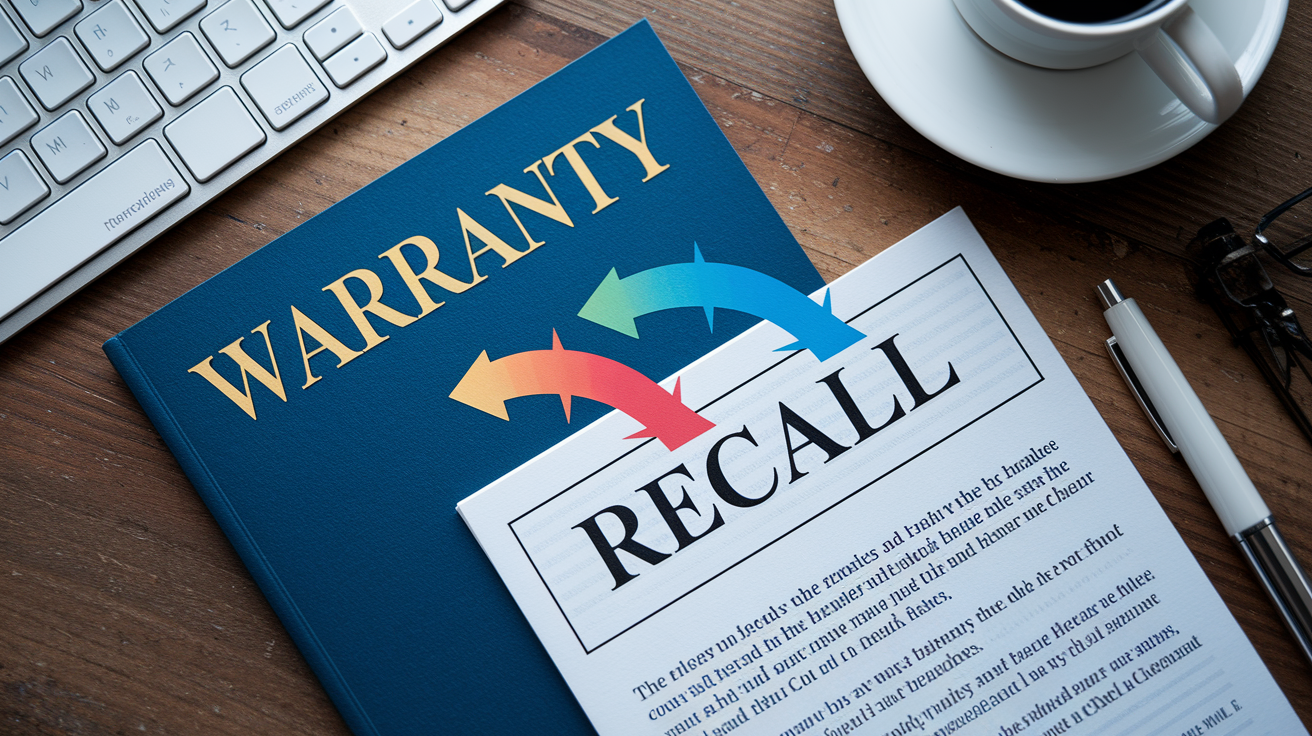
Product recalls override standard warranty terms because safety comes first. A manufacturer’s duty to fix a hazardous defect exists whether the warranty’s expired or not. If your device gets recalled three years after purchase and the original one-year warranty’s long gone, you’re still entitled to the recall remedy at no cost. Repair, replacement, or refund as the notice specifies.
Extended warranties bought separately from third-party providers usually cover performance issues and non-recall defects. Normal wear, accidental damage not tied to the recall. If your recalled device also has a separate problem covered by an extended warranty, you can go after both remedies: the recall remedy (manufacturer or agency handles it) and the extended warranty claim (warranty provider handles it). Keep documentation separate for each to avoid confusion and make sure you get everything you’re owed under both the recall and the warranty contract.
What to Do If Your Refund Is Delayed or Denied After a Recall
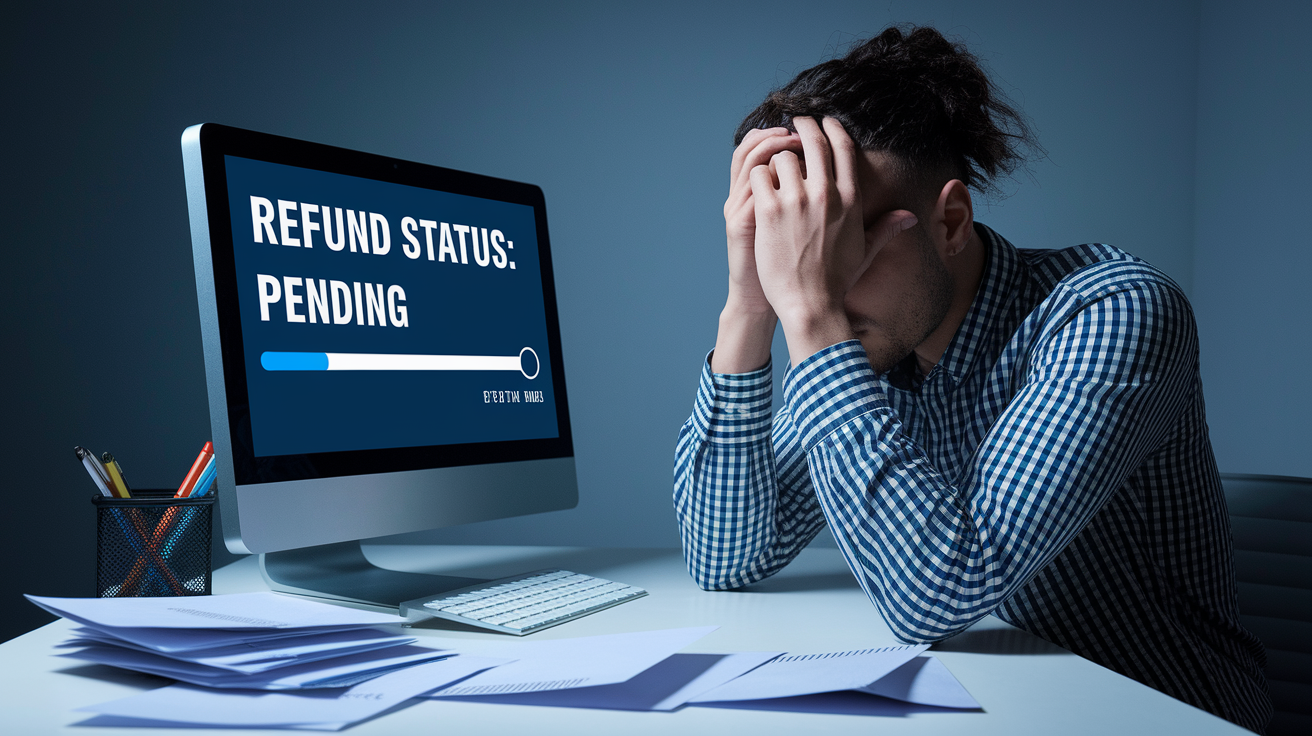
If your refund claim drags past the timeline in the recall notice, or if the manufacturer denies it, start documenting everything. Keep copies of emails, chat transcripts, call logs, claim numbers, any letters or forms you submitted. Contact the manufacturer again. Ask for a status update and a clear reason for the delay or denial. Sometimes claims get stuck on missing documentation or processing backlogs that can be sorted out fast.
When informal follow-up doesn’t work, escalate to the federal agency running the recall. File a complaint with the CPSC (for consumer electronics and household goods), the FDA (for medical devices), the NHTSA (for vehicles), or your state consumer protection office. Agencies can investigate, lean on manufacturers to meet remedy obligations, and in some cases slap fines or enforcement actions on them. Your complaint also feeds into broader oversight of how well recalls actually work.
For clear-cut refund obligations that stay unfulfilled, small claims court might be an option if the refund amount fits within your state’s small claims limit (usually $5,000 to $10,000). You’ll need proof the recall entitled you to a refund and evidence the manufacturer didn’t deliver. In cases involving serious injury, property damage, or widespread harm, talk to a consumer protection or product liability attorney about whether a bigger legal claim or class action makes sense.
Escalation paths if your refund’s delayed or denied:
Contact manufacturer customer service again with claim numbers and a written request for explanation and resolution timeline.
File a complaint with the relevant federal agency (CPSC, FDA, NHTSA) using their online portals.
Report it to your state attorney general’s consumer protection division to trigger state enforcement.
Consider small claims court if the refund amount fits jurisdictional limits and the manufacturer’s obligation is documented in the recall notice.
Refund Options for Online Marketplace Purchases After a Device Recall
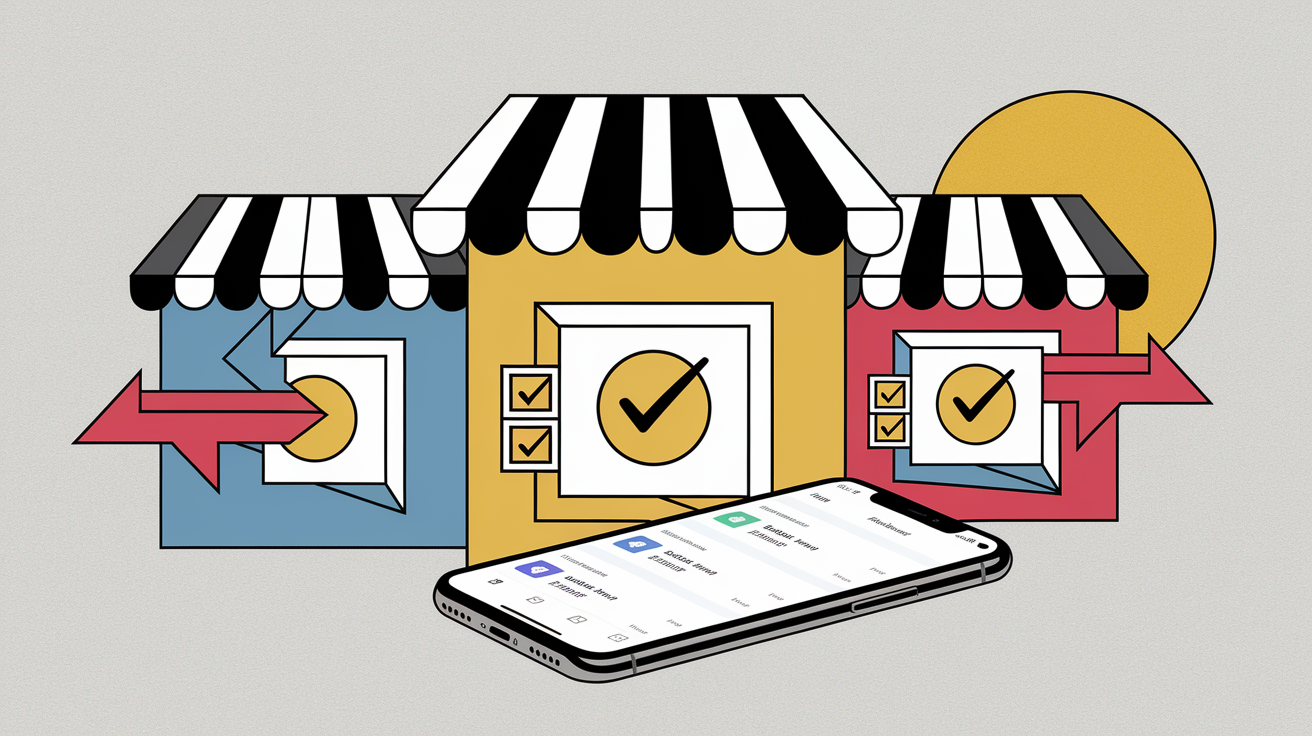
When you buy a recalled device through an online marketplace like Amazon, eBay, or Walmart.com, the refund process can shift depending on platform policies and recall instructions. Lots of marketplaces process refunds directly to keep things simple, especially if the recall hits a big chunk of orders or if the manufacturer authorized the platform to handle claims. Other times, the marketplace points you to the manufacturer to follow standard recall remedy steps.
Amazon often emails affected buyers directly when a recall gets announced. They might issue automatic refunds or set up a streamlined return process through your account. eBay typically defers to manufacturer instructions but offers buyer protection if the seller or manufacturer doesn’t provide the required remedy. Check your purchase history and any recall notifications from the marketplace first, then hit up marketplace customer service if instructions are fuzzy or the manufacturer’s ghosting you.
| Marketplace | Typical Refund Process for Recalls |
|---|---|
| Amazon | Direct email notification; automatic refund or assisted return initiated through account; manufacturer may handle if item sold by third party |
| eBay | Defer to manufacturer instructions; buyer protection available if seller or manufacturer does not comply |
| Walmart.com | In-store return or online return initiated through account; manufacturer contact required for some recalls |
International Differences in Refund Rights for Recalled Devices

Consumer protection laws for recalled devices vary a lot by country and region. Your refund rights depend on where you bought the product and where you live. In the European Union, consumer protection rules require recalled products to be fixed at no cost, and refunds are commonly required when repair or replacement isn’t doable. The UK keeps similar standards post-Brexit, with the Office for Product Safety and Standards overseeing enforcement and making sure manufacturers provide appropriate remedies, refunds for unsafe goods included.
Canada’s recall system, run by Health Canada and Transport Canada, mirrors a lot of U.S. practices but includes stronger provincial consumer protection laws in some regions. Gives you extra ways to demand refunds or pursue claims. Australia’s consumer law guarantees refunds for products with major safety defects under the Australian Consumer Law, enforced by the Australian Competition and Consumer Commission (ACCC). Some jurisdictions with weaker consumer protection setups may offer limited recall remedies or put more burden on you to prove eligibility.
Key international differences:
European Union. Strong consumer protections. Refunds required when products can’t be repaired or replaced safely. Enforcement through national agencies and EU-wide standards.
United Kingdom. Similar to EU rules. Office for Product Safety and Standards ensures compliance. Refunds required for serious safety defects.
Canada. Federal and provincial oversight. Refund availability depends on recall terms and provincial consumer laws. Health Canada and Transport Canada manage recalls.
Australia. Australian Consumer Law guarantees refunds for major safety failures. ACCC enforces compliance and can require manufacturers to provide full refunds for unsafe products.
Checklist to Make Sure You Get a Refund for a Recalled Device
Following a clear set of steps ups the odds your refund claim gets processed fast and without unnecessary headaches. Act as soon as you learn about the recall. Keep detailed records at every stage.
Stop using the recalled device immediately to avoid injury or further risk.
Verify the recall by searching Recalls.gov or the relevant federal agency database using your device’s model and serial number.
Find and save the official recall notice, including remedy options, contact info, and any claim deadlines.
Gather all documentation: proof of purchase, model/serial numbers, photos of the device, any communication from the manufacturer.
Contact the manufacturer or retailer using the method in the recall notice. Submit your refund claim with supporting documents.
Track your claim. Save confirmation numbers, emails, any tracking links they give you during submission.
Monitor updates regularly. Follow up if the refund isn’t processed within the timeline in the recall notice or if you don’t hear back within two to three weeks.
Final Words
Check the official recall notice and agency database first — it tells you whether the company will repair, replace, or refund the device.
Refunds aren’t automatic: they depend on recall type, safety risk, and who’s handling the recall. Gather proof of purchase, serial numbers, and the recall notice; contact the manufacturer or retailer and track responses.
If a refund is denied, file a complaint with the relevant agency or consider small claims. If you’re asking do i get refund for recalled device, follow these steps and you’ll be ready to act.
FAQ
Q: Do you get your money back if an item is recalled?
A: Whether you get your money back if an item is recalled depends on the recall type and listed remedy; manufacturers typically offer a refund, replacement, or repair as specified in the official recall notice.
Q: What are my rights if a product is recalled?
A: Your rights if a product is recalled include receiving the remedy the recall requires—repair, replacement, or refund—and following agency instructions; specific protections depend on the product and jurisdiction.
Q: What should I do if a product I bought is recalled?
A: If a product you bought is recalled, stop using it, read the official recall notice, contact the manufacturer or retailer, and gather proof of purchase and product details to claim the listed remedy.