
What if a single bug could unlock millions of devices overnight?
Zero-day vulnerabilities in operating systems do exactly that: unpatched OS flaws attackers can use immediately.
When the problem sits in the OS—the layer that controls hardware, memory, and security—the fallout can hit every app and user on a platform.
This post explains why OS zero-days are so dangerous, who they affect, and what to do now: patch fast, tighten privileges, enable strong endpoint detection, and monitor telemetry until fixes arrive.
What Is a Zero-Day Vulnerability and Why OS-Level Flaws Matter
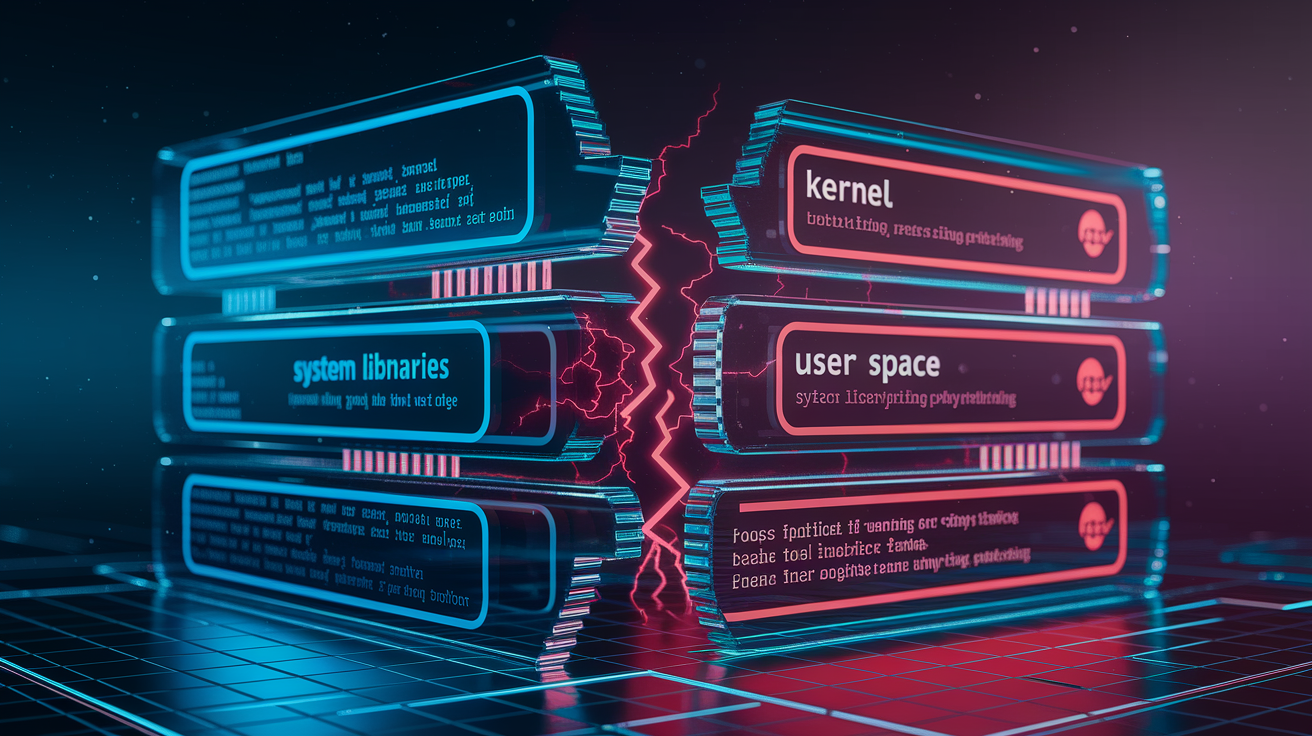
A zero-day vulnerability is a publicly revealed but unpatched software flaw that attackers can exploit right now. The term “zero-day” means developers have had zero days to fix the problem before it becomes known or gets weaponized. When that vulnerability lives in an operating system—the foundational layer managing hardware, memory, processes, and security controls—the impact spreads across every app and service running on that platform.
Operating systems like Windows, Linux, macOS, iOS, and Android make prime targets because a single OS-level flaw can expose millions of devices at once. Unlike application bugs that hurt one program, OS vulnerabilities hand attackers privileged access to core system functions. They can bypass security controls, escalate privileges, execute arbitrary code, or persist undetected across reboots.
A zero-day attack exploits that unpatched window before a fix exists. A zero-day exploit is the attacker’s method or malware designed to leverage the flaw. Together, these create a critical threat window where traditional defenses—signature-based antivirus, intrusion detection systems, firewall rules—offer limited protection because the attack pattern’s never been seen before.
Security researchers, government agencies, and criminal groups all hunt for zero-days. Responsible researchers typically report findings to vendors through coordinated vulnerability disclosure, allowing time for patches before public release. But some flaws get discovered and weaponized in secret, sold on underground markets, or disclosed publicly before vendors can respond. When disclosure happens without coordination, administrators face immediate risk with no ready fix.
CVE (Common Vulnerabilities and Exposures) is the global registry of publicly disclosed flaws. Each CVE entry gets a CVSS score ranging from 0.0 to 10.0, reflecting severity based on exploitability, impact, and attack complexity. The National Vulnerability Database (NVD) and CERT use CVSS to help organizations prioritize patching. A CVSS score of 9.0 or above signals critical risk, often meaning remote code execution or privilege escalation with minimal user interaction.
The typical zero-day timeline goes like this: software is developed and shipped, a researcher or attacker discovers a vulnerability, an exploit or malware gets released (either privately or publicly), and finally detection or patching occurs. During the gap between discovery and patch deployment, organizations stay exposed. Infection vectors include malicious links that trigger automatic downloads via unpatched browser components, weaponized documents, drive-by downloads, or supply-chain compromises where trusted software update mechanisms get hijacked.
OS-level zero-days are especially dangerous because they enable privilege escalation (gaining SYSTEM or root access), persistent backdoors (surviving reinstalls or forensic wipes), and lateral movement across networks (turning a single compromised endpoint into a beachhead for broader infrastructure compromise). When combined with social engineering or remote exploits, zero-day flaws can bypass multi-factor authentication, endpoint protection platforms, and network segmentation.
For enterprises, the stakes include supply-chain disruption (if managed service providers or SaaS platforms are compromised), ransomware encryption at scale, mass data exfiltration, prolonged business downtime, regulatory penalties, and reputational damage. For consumers, OS zero-days can lead to device takeover, credential theft, identity fraud, or persistent surveillance.
Understanding the mechanics, timeline, and impact of OS-level zero-day vulnerabilities sets the foundation for effective defense planning.
Case Study: RedSun—A Local Privilege Escalation Zero-Day in Windows Defender

RedSun is a local privilege escalation zero-day disclosed publicly by the researcher operating under the alias Chaotic Eclipse. The vulnerability exploits Microsoft Defender’s file-rewrite behavior on the latest versions of Windows 10, Windows 11, and Windows Server. When Windows Defender’s enabled—which it is by default on most modern Windows installations—an attacker with local access can abuse the way Defender handles certain file operations to overwrite system files and gain SYSTEM-level privileges.
SYSTEM is the highest privilege level in Windows, equivalent to root on Unix-like systems. It grants full local control over the operating system, including the ability to install drivers, modify kernel settings, disable security tools, create persistent backdoors, and access all files and processes regardless of user permissions. Escalating from a standard or even administrator account to SYSTEM is a critical step in many attack chains, enabling lateral movement, credential harvesting, and long-term persistence.
The attack preconditions for RedSun are straightforward but significant. The attacker must already have local access to the target machine, meaning physical access, remote desktop credentials, or prior compromise via phishing or another vulnerability. Windows Defender must also be enabled, which applies to nearly all consumer and many enterprise Windows deployments that haven’t fully replaced Defender with third-party endpoint protection.
A public proof-of-concept (PoC) was posted by Chaotic Eclipse, making the exploit immediately available to anyone with basic technical skills. BleepingComputer independently confirmed the flaw works as described. Some antivirus vendors on VirusTotal detect the PoC sample, but not because they recognize the exploit technique itself. Detection occurs because the researcher embedded an EICAR test file (a harmless standard test signature used to verify antivirus functionality) inside the PoC executable. This means detection’s based on a known test signature, not on recognition of the underlying privilege-escalation behavior.
RedSun isn’t the researcher’s first public disclosure. Roughly 10 days earlier, Chaotic Eclipse released BlueHammer, another local privilege escalation PoC affecting Windows. The timing and pattern suggest a broader campaign of disclosure activity, and both exploits share a similar attack profile: local access plus abuse of OS or built-in security component behavior to reach SYSTEM.
Microsoft’s official response emphasized its commitment to investigate reported security issues, update impacted devices to protect customers as quickly as possible, and support coordinated vulnerability disclosure. But the researcher publicly disputed the handling of the disclosure process, alleging that Microsoft “would ruin my life and they did.” This statement indicates tensions around disclosure timelines, communication, credit, or potential legal threats. These dynamics are common when vulnerability researchers and vendors disagree over responsible disclosure practices.
From an operational standpoint, RedSun represents immediate risk for any organization running affected Windows builds with Defender enabled. The vulnerability requires local access and isn’t a remote code-execution vector, but it’s a powerful post-compromise tool. Once an attacker gains initial access through phishing, stolen credentials, or a separate remote exploit, RedSun can escalate that foothold to full local control.
Enterprise implications include lateral movement (using SYSTEM access to harvest credentials or install persistence mechanisms that spread to other machines), supply-chain risk (if the exploit’s used against managed service providers or software development environments), and disruption of maintenance or patch-deployment processes (since SYSTEM-level compromise can disable security agents or tamper with update mechanisms).
Detection and blocking of the public PoC should be prioritized. Security operations teams should monitor telemetry for unusual file-rewrite operations involving Defender processes, unexpected privilege escalation attempts, and execution of binaries matching known PoC indicators. Application allowlisting and endpoint detection and response (EDR) tools with behavioral detections are more effective than signature-based antivirus, because the exploit technique can be adapted or obfuscated to bypass static signatures.
Immediate hardening steps include enforcing least privilege by restricting local admin accounts, using Privileged Access Workstations (PAWs) for administrative tasks, and removing unnecessary administrator rights from standard user accounts. EDR and extended detection and response (XDR) platforms should be configured to alert on suspicious Defender process behavior, file overwrites in protected system directories, and processes attempting to acquire SYSTEM privileges outside normal service or installer activity.
Patch management becomes critical once Microsoft releases a fix. Organizations should maintain an accurate asset inventory to identify all endpoints running affected Windows versions with Defender enabled, test patches in staging environments to avoid introducing instability, and accelerate deployment for critical OS and antivirus updates. Until a patch’s available, compensating controls (least privilege, EDR, application allowlisting, and monitoring) are the primary defense.
RedSun illustrates a key challenge in zero-day defense: even built-in security components like Windows Defender can become attack vectors when their internal behaviors are abused. Layered defenses, rapid detection, and process discipline around patching and privilege management are essential to limit the window of exposure and reduce the impact of post-compromise escalation.
High-Profile Zero-Day Incidents in Operating Systems and Widely Deployed Software
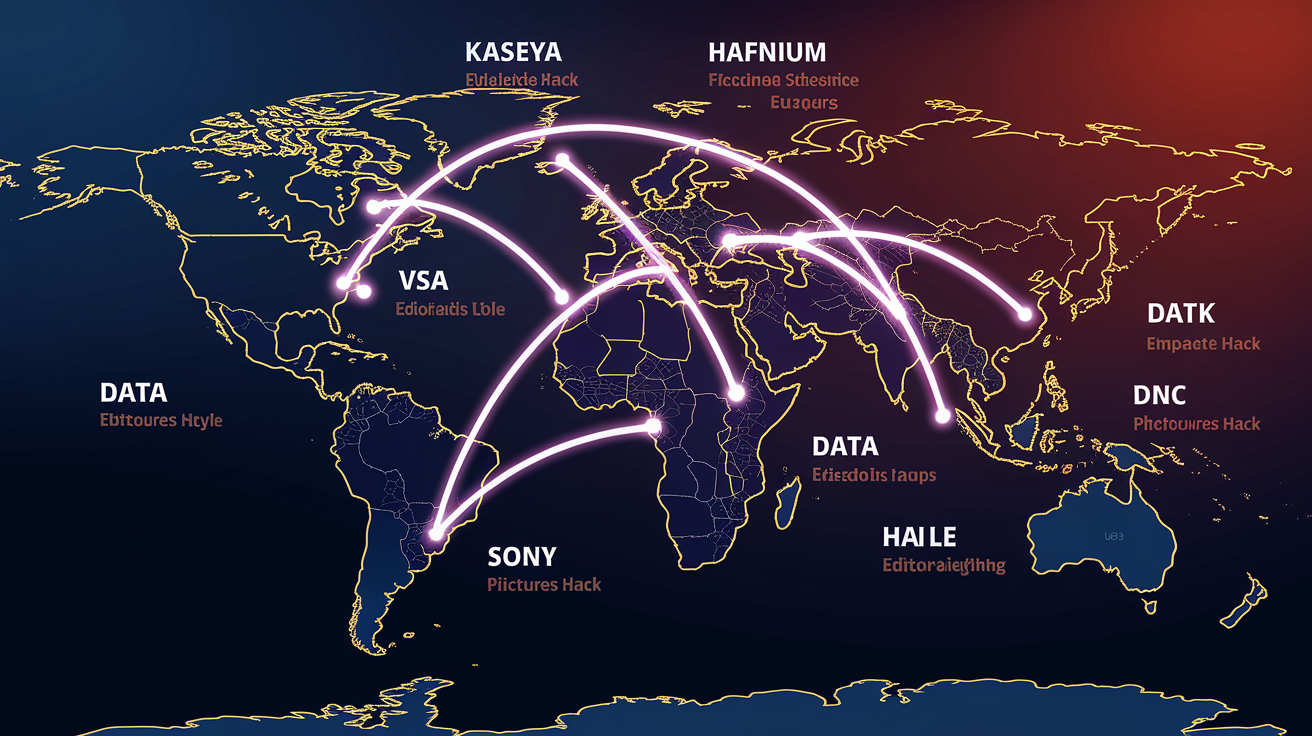
Real-world zero-day exploits have caused massive disruption across enterprises, governments, and consumers. Examining specific incidents by date, scope, affected products, and impact provides concrete context for understanding OS-level threats and the urgency of defense-in-depth strategies.
| Incident | Date | Affected Products/Versions | Impact |
|---|---|---|---|
| Kaseya VSA ransomware attack | July 2, 2021 | Kaseya VSA (remote management platform) | ~60 managed service providers compromised; ~1,500 downstream businesses encrypted; $70 million ransom demanded for universal decryptor |
| Microsoft Exchange Server (Hafnium) | March 2021 | Exchange Server 2013, 2016, 2019 | Four zero-day flaws exploited; widespread server compromise; remote code execution and data exfiltration; tens of thousands of organizations affected globally |
| Facebook data exposure | 2019; April 2021 | Facebook platform | 2019: 540 million user records exposed; April 2021: 533 million users (~20% of accounts) leaked including phone numbers, names, locations, birthdates, bios, emails |
| LinkedIn data scraping | April 2021; June 2021 | LinkedIn platform | April 2021: 500 million records advertised for sale; June 2021: 700 million users affected (over 90% of user base) |
| DNC hack | 2016 | Adobe Flash, Microsoft Windows, Java | Approximately six zero-day exploits used in spear-phishing campaign; political and operational disruption; mass email and document exfiltration |
| Sony Pictures hack | 2014 | Corporate network infrastructure | Executive emails, business plans, unreleased films exfiltrated; major reputational and operational damage |
The Kaseya VSA attack on July 2, 2021, demonstrated the devastating potential of supply-chain zero-day exploitation. REvil ransomware operators exploited a zero-day in Kaseya VSA, a remote monitoring and management tool used by managed service providers (MSPs). By compromising the platform trusted by MSPs, attackers encrypted systems at approximately 60 MSPs and an estimated 1,500 downstream businesses. The attackers demanded $70 million for a universal decryptor, making it one of the largest ransom demands in history. This incident highlighted how a single zero-day in widely deployed management software can cascade across thousands of organizations.
The Microsoft Exchange Server attacks attributed to the Hafnium threat group in March 2021 involved four zero-day vulnerabilities affecting Exchange Server 2013, 2016, and 2019. The flaws enabled remote code execution, allowing attackers to install web shells, exfiltrate email, and establish persistent access. Tens of thousands of organizations globally were compromised before patches were released. The incident underscored the risk of server-side zero-days in enterprise environments and the challenge of patching complex, mission-critical infrastructure under active attack.
Facebook suffered two major data-exposure incidents. In 2019, detailed information for 540 million users was exposed. In April 2021, a separate leak affected 533 million users (roughly 20 percent of all Facebook accounts), exposing phone numbers, full names, locations, birthdates, bios, and in some cases email addresses. While not all incidents were confirmed as zero-day exploits, they illustrate the scale of user data at risk when platform-level vulnerabilities or misconfigurations get exploited.
LinkedIn experienced mass data scraping in April and June 2021. In April, 500 million records were advertised for sale. By June, attackers claimed access to data from 700 million users, representing over 90 percent of LinkedIn’s user base. These incidents involved automated scraping techniques that exploited API and access-control weaknesses, demonstrating how zero-day or undisclosed flaws in web platforms can enable large-scale data harvesting.
The 2016 DNC hack used approximately six zero-day exploits spanning Adobe Flash, Microsoft Windows, and Java as part of a coordinated spear-phishing campaign. The combination of social engineering and zero-day exploits enabled attackers to exfiltrate emails, strategic documents, and operational communications, causing significant political and operational disruption. The attack showed how zero-days are often layered with human-targeted tactics to maximize impact.
The Sony Pictures hack in 2014 involved the exfiltration of executive emails, business plans, and unreleased film content. While the full technical details remain partially classified, the incident highlighted the operational and reputational damage possible when zero-day or advanced persistent threat (APT) techniques compromise corporate networks. The breach resulted in public embarrassment, legal disputes, and long-term trust erosion.
Across these incidents, common patterns emerge. Zero-days are often used in combination with credential theft, social engineering, or supply-chain access. Server-side and platform-level vulnerabilities create systemic risk across many organizations. And the window between exploit release and effective patching gets measured in hours or days, not weeks. Organizations that lack asset visibility, automated patch deployment, or layered detection capabilities face disproportionate exposure during zero-day windows.
Detection Challenges and the Limitations of Signature-Based Security

Traditional security tools such as signature-based intrusion detection systems (IDS), intrusion prevention systems (IPS), and antivirus engines rely on known attack patterns, file hashes, and behavioral signatures to identify threats. By definition, zero-day exploits lack prior signatures because they exploit previously unknown vulnerabilities. This creates a fundamental detection gap during the critical window when a zero-day’s actively exploited but not yet recognized by security vendors.
Signature-based antivirus scans files and processes against a database of known malware signatures. When a zero-day exploit uses novel code or techniques, it won’t match any existing signature. Even heuristic or behavior-based antivirus features (which attempt to detect suspicious actions rather than specific signatures) struggle with zero-days that mimic legitimate OS or application behavior. For example, the RedSun exploit abuses Windows Defender’s own file-handling routines, making the malicious activity appear as normal Defender operations to many monitoring tools.
Network-based IDS and IPS face similar challenges. They inspect traffic for known attack patterns, protocol anomalies, or malicious payloads. A zero-day exploit delivered via encrypted HTTPS traffic, custom protocol, or polymorphic payload can evade these controls entirely. Even when network sensors detect unusual traffic, distinguishing a zero-day exploit from legitimate administrative activity or unusual but benign application behavior requires deep contextual analysis that signature-based tools can’t provide.
Vendors typically react to zero-day disclosures by publishing updated signatures, detection rules, and threat intelligence after the vulnerability becomes public or after they observe active exploitation. This reactive model leaves a gap of hours, days, or sometimes weeks during which organizations remain exposed. High-profile incidents like Kaseya, Microsoft Exchange, and the DNC hack all involved periods when no effective signature-based detection existed.
The limitations of signature-based security drive the need for proactive and layered defenses. Endpoint detection and response (EDR) platforms use behavioral analytics, process telemetry, and machine learning to detect suspicious activity without relying solely on signatures. EDR can identify unusual privilege escalation attempts, abnormal file writes to protected directories, unexpected network connections from system processes, or the creation of persistence mechanisms (startup entries, scheduled tasks, registry modifications) that deviate from baseline behavior.
Extended detection and response (XDR) platforms expand behavioral monitoring across endpoints, network traffic, email, cloud workloads, and identity systems. By correlating events across multiple telemetry sources, XDR can detect multi-stage attacks that individual signature-based tools would miss. For example, an XDR system might correlate a phishing email delivery, followed by the execution of a previously unseen binary, followed by a privilege escalation attempt and outbound data transfer. It flags the sequence as a probable compromise even when each individual event lacks a matching signature.
Network traffic analysis (NTA) and user and entity behavior analytics (UEBA) provide additional visibility. NTA inspects flow metadata, DNS queries, TLS certificates, and protocol behaviors to identify command-and-control (C2) communication, lateral movement, or data exfiltration patterns. UEBA builds baselines of normal user and device activity, then alerts when deviations occur. Think a user account accessing sensitive file shares at unusual times or a workstation initiating administrative connections it’s never made before.
Threat hunting (proactive manual or semi-automated searches for indicators of compromise (IOCs) or anomalous behaviors) becomes critical when signature-based detection fails. Skilled security analysts use threat intelligence feeds, known tactics, techniques, and procedures (TTPs) from frameworks like MITRE ATT&CK, and custom queries to search telemetry for signs of zero-day exploitation. Hunting often uncovers compromises that automated tools missed because the attack used novel techniques or low-and-slow tactics designed to avoid triggering alerts.
Sandboxing and detonation chambers provide another layer. Suspicious files or URLs are executed in isolated virtual environments while their behavior gets observed. Even if a zero-day exploit has no known signature, sandboxing can reveal malicious actions such as privilege escalation, credential harvesting, or C2 callbacks. Advanced exploits may detect sandbox environments and alter behavior to evade analysis.
Application allowlisting (formerly called whitelisting) flips the security model: only explicitly approved executables, scripts, and libraries are permitted to run. This control’s highly effective against zero-day exploits that rely on executing arbitrary code or dropping malicious binaries, because the exploit payload gets blocked by policy rather than signature. But allowlisting requires significant administrative overhead to maintain accurate lists and can interfere with legitimate software updates or administrative workflows if not carefully managed.
Zero-trust architecture (ZTA) reduces the impact of zero-day compromises by assuming that threats exist inside the network perimeter. ZTA enforces continuous verification of identity and device posture, microsegmentation to limit lateral movement, least-privilege access controls, and mandatory encryption. Even when a zero-day grants initial access, zero-trust controls restrict what the attacker can reach and do, buying time for detection and response.
Memory protection technologies such as Address Space Layout Randomization (ASLR), Data Execution Prevention (DEP), Control Flow Guard (CFG), and kernel-mode code integrity checks make exploitation harder by randomizing memory addresses or blocking the execution of code in data regions. While these OS-level protections don’t prevent zero-day vulnerabilities, they increase the difficulty and cost of developing reliable exploits, sometimes forcing attackers to chain multiple vulnerabilities together.
Signature-based security remains a necessary but insufficient component of modern defense. Organizations must combine rapid patching, behavioral detection (EDR/XDR), network monitoring (NTA/UEBA), threat hunting, application allowlisting, zero-trust principles, and OS-level exploit mitigations to create overlapping layers that reduce the window of exposure and limit the blast radius when a zero-day gets exploited. No single control stops zero-days, but a well-orchestrated defense-in-depth strategy can detect, contain, and recover from zero-day incidents before catastrophic damage occurs.
Mitigation Strategies: Patch Management, Defense-in-Depth, and Operational Resilience

Effective defense against zero-day vulnerabilities requires a combination of rapid patching, layered technical controls, operational discipline, and organizational resilience. Each pillar addresses a different phase of the attack lifecycle and compensates for the inherent limitations of any single security measure.
Patch management is the primary long-term defense. Applying vendor fixes reduces the exploit window and eliminates the vulnerability. But patching’s only effective after a fix gets released, tested, and deployed (often days or weeks after public disclosure). To minimize exposure, organizations should automate patch deployment wherever possible, prioritize critical OS and infrastructure updates, maintain an accurate asset inventory to ensure no endpoints are missed, and test patches in staging environments to avoid introducing instability or breaking mission-critical applications.
Patch and asset management software provides essential capabilities for scaling these processes across large fleets. Key features include remote and automatic installation of patches for Windows, Linux, and third-party applications; scheduling of updates during maintenance windows or low-usage periods; software inventory and license tracking to maintain visibility into installed applications and versions; and global deployment mechanisms with LAN peer-to-peer distribution to optimize bandwidth and reduce update times. Centralized dashboards allow administrators to monitor patch compliance, identify vulnerable systems, and generate reports for audit and compliance purposes.
For zero-day threats, the gap between disclosure and patch availability demands compensating controls. Network traffic filtering and scanning block command-and-control (C2) communications, lateral movement attempts, and data exfiltration. DNS filtering, web proxies, and next-generation firewalls can prevent malware from reaching external infrastructure even when initial compromise succeeds. Intrusion prevention systems (IPS) should be tuned to block known exploit patterns and protocol anomalies, though effectiveness against true zero-days is limited.
Defense-in-depth and proactive layered security mean deploying overlapping controls across endpoints, network, email, DNS, identity, and cloud workloads. Endpoint protection platforms (EPP) provide antivirus and basic behavioral detection. EDR adds telemetry collection, behavioral analytics, and incident-response capabilities. XDR correlates endpoint, network, and identity events to detect multi-stage attacks. Email security gateways and sandboxing block phishing and malicious attachments. DNS filtering stops C2 lookups. Multi-factor authentication (MFA) and conditional access policies reduce the risk of credential theft. Microsegmentation limits lateral movement by enforcing network policies at the application or workload level.
Application allowlisting enforces strict control over what executables, scripts, and dynamic libraries can run. Even when a zero-day exploit delivers a payload, allowlisting blocks execution unless the payload’s explicitly approved. This control’s highly effective but requires careful policy maintenance, exception handling for legitimate software updates, and user education to minimize disruption.
Privileged access management (PAM) and least-privilege enforcement reduce the impact of privilege escalation exploits like RedSun. Standard user accounts should run with minimal permissions. Administrative tasks should be performed from dedicated Privileged Access Workstations (PAWs) with strict access controls, logging, and monitoring. Just-in-time (JIT) access grants temporary elevated privileges only when needed, automatically revoking them after a defined period. Credential vaulting and session recording ensure that administrative credentials are protected and auditable.
Recovery and disaster-recovery planning ensure business continuity when prevention and detection fail. Regular backups of critical systems and data should be stored offline or in immutable storage to prevent ransomware encryption. Incident-response playbooks should define roles, communication protocols, escalation paths, and technical steps for containment, eradication, and recovery. Tabletop exercises and simulation drills test response capabilities and identify gaps before a real incident occurs. Mean time to detect (MTTD) and mean time to respond (MTTR) should be tracked as key performance indicators.
Continuous user and employee security education addresses the human factors that enable many zero-day attacks. Phishing remains the most common initial access vector, often combined with zero-day exploits in browser components, email clients, or document parsers. Training should cover recognizing phishing emails, avoiding suspicious links and attachments, reporting security incidents promptly, and following password and MFA policies. Regular simulated phishing campaigns reinforce learning and identify high-risk users for additional coaching.
Threat intelligence feeds provide early warning of active zero-day campaigns, indicators of compromise (IOCs), and tactics, techniques, and procedures (TTPs). Integrating threat intelligence with SIEM (security information and event management), EDR, and firewall platforms enables automated blocking of known-bad IPs, domains, file hashes, and behavioral patterns. Participation in industry-specific information sharing and analysis centers (ISACs) or government CERT programs accelerates access to actionable intelligence.
Vulnerability disclosure programs and coordinated disclosure practices help organizations manage the zero-day lifecycle responsibly. Security teams should establish clear channels for receiving vulnerability reports from researchers, define timelines for triage and patching, provide recognition or bug bounties to incentivize responsible disclosure, and communicate transparently with customers and stakeholders when vulnerabilities are disclosed.
Vendor patch timelines vary widely. Microsoft typically releases patches on the second Tuesday of each month (Patch Tuesday), with out-of-band updates for critical zero-days. Apple releases iOS, macOS, and iPadOS updates on irregular schedules, often tied to major feature releases. Linux distributions vary by vendor and distribution model. Debian, Ubuntu, Red Hat Enterprise Linux (RHEL), and SUSE each have distinct update cycles and support policies. Third-party applications (browsers, PDF readers, Java runtime, Flash) require separate patch management workflows. Organizations must track multiple update channels and prioritize based on exploitability, exposure, and business impact.
Operational resilience extends beyond technical controls to organizational culture, process maturity, and governance. Security operations centers (SOCs) should have 24/7 monitoring, clear escalation procedures, and integration with IT operations for rapid patching and remediation. Regular security assessments, penetration testing, and red-team exercises validate defenses and surface gaps. Metrics and dashboards provide leadership visibility into vulnerability exposure, patch compliance, and incident trends. Security policies should be reviewed and updated regularly to reflect evolving threats, regulatory requirements, and business changes.
Supply-chain security must be addressed. Zero-day exploits targeting software update mechanisms, managed service providers, or open-source dependencies can have cascading impacts. Organizations should vet third-party vendors, require security certifications and audits, monitor software bill of materials (SBOM) for known vulnerabilities, and implement network segmentation to isolate supplier access. The Kaseya attack demonstrated the catastrophic potential of supply-chain zero-days, making vendor risk management a critical component of overall resilience.
Mitigation’s never absolute. Zero-day vulnerabilities will continue to emerge. The goal is to minimize the window of exposure, limit the blast radius of successful exploitation, detect and respond faster than attackers can achieve their objectives, and recover quickly when incidents occur. Organizations that combine rapid patching, defense-in-depth, privileged access controls, behavioral detection, threat intelligence, employee education, and tested recovery plans are best positioned to survive zero-day incidents with minimal disruption.
Final Words
Patch fast: this article walked through spotting a serious bug, reporting it to vendors, testing workarounds, and planning a staged rollout.
Who’s affected and what to do next were clear — developers, IT teams, and users should prioritize updates, rotate credentials, enable extra checks, and monitor logs for odd activity.
Staying prepared for a zero day vulnerability in operating systems means quick fixes and clear coordination. Do the basics well, and you’ll keep risk low and systems running.
FAQ
Q: What is a zero-day vulnerability in computer?
A: A zero-day vulnerability in a computer is a software flaw unknown to the vendor and unpatched, leaving systems open to attackers until a fix appears; immediate detection, isolation, and monitoring reduce risk.
Q: What are some famous 0day vulnerabilities?
A: Famous 0day vulnerabilities include Stuxnet’s multiple Windows zero-days, EternalBlue (the Microsoft flaw behind WannaCry and NotPetya), and long-running Adobe Flash Player zero-days exploited by attackers.
Q: What are the 4 types of vulnerabilities?
A: The four types of vulnerabilities are software (bugs and unpatched code), hardware (chip or device flaws), network (protocol or configuration weaknesses), and human (misconfiguration, weak credentials, social engineering).
Q: Why is a zero-day vulnerability a major concern?
A: A zero-day vulnerability is a major concern because it’s unknown and unpatched, enabling stealthy attacks, data theft or disruption, and often forcing urgent, costly emergency responses and wider incident recovery.