Did India really wipe TikTok off hundreds of millions of phones overnight? On June 29, 2020 the government did just that, banning TikTok along with 58 other apps under Section 69A and citing threats to sovereignty, national security, and data privacy after the deadly Galwan Valley clash. This timeline explains what happened on that key date, who was hit (users, creators, app stores, ISPs), why the move mattered for data and geopolitics, and how the ban was enforced in the days that followed.
Key Date and Timeline of the TikTok Ban in India
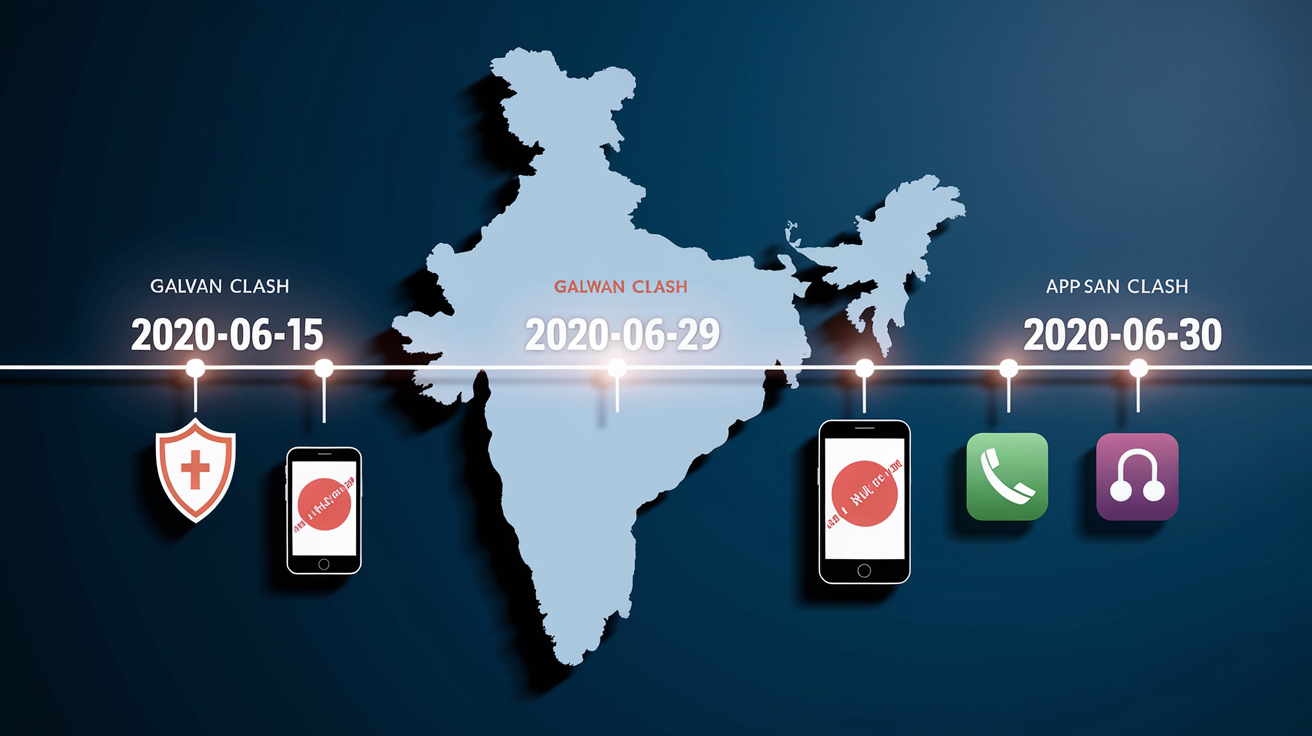
India banned TikTok on June 29, 2020. It wasn’t a standalone action, the government blocked 59 mobile apps linked to Chinese companies in one sweeping order. The Ministry of Electronics and Information Technology (MeitY) invoked emergency powers under Section 69A of the Information Technology Act, 2000, citing immediate threats to India’s sovereignty, national security, and public order. TikTok, owned by Beijing-based ByteDance, had about 200 million active users in India when the ban hit.
The timing wasn’t accidental. On June 15, 2020, a deadly military clash erupted along the disputed India-China border in the Galway Valley. Twenty Indian soldiers were killed. The border incident intensified national security concerns and pushed the government to act on Chinese apps already under review for how they handled data. Within 24 hours of the June 29 order, TikTok and the other apps disappeared from the Apple App Store and Google Play Store in India. Internet service providers started blocking access for people who still had the apps installed.
Here’s how it unfolded:
April 2020: TikTok gets temporarily pulled from Indian app stores over content issues, then comes back a few weeks later.
June 15, 2020: India-China border clash in Galwan Valley kills 20 Indian soldiers.
June 29, 2020: MeitY announces the ban on 59 apps, TikTok included, pointing to national security and data privacy.
June 30, 2020: ByteDance confirms it has roughly 2,000 employees in India and says it’ll work with authorities.
That June 29 date is when everything officially ended. It shows how geopolitical tension, national security assessments, and regulatory action converged in a two-week window. The ban shut down TikTok’s operations in one of its biggest global markets.
National Security and Data Privacy Reasons Behind the India TikTok Ban

The government’s June 29 notification said the 59 banned apps were “engaging in activities which is prejudicial to sovereignty and integrity of India, defence of India, security of state and public order.” MeitY pointed to specific complaints that certain apps were “stealing and surreptitiously transmitting users’ data in an unauthorized manner to servers which have locations outside India.” Officials argued that apps owned or controlled by Chinese entities posed risks. Espionage, profiling, unauthorized access to sensitive information about Indian citizens, infrastructure, and government operations.
The ban’s timing tied directly to the June 15 Galwan Valley clash. Hand-to-hand combat between Indian and Chinese forces resulted in 20 Indian soldiers dead along the disputed border in eastern Ladakh. The incident triggered public anger across India and calls for economic and digital countermeasures against China. Security analysts and government officials warned that apps like TikTok could be forced under Chinese national security laws to share user data with Beijing’s intelligence apparatus. That created vulnerabilities for Indian users, from ordinary citizens to military personnel and government officials who’d installed the apps on personal devices.
Section 69A of the Information Technology Act provided the legal foundation. It authorizes the central government to block public access to any information through computer resources when it concerns sovereignty, integrity, defence, security, or friendly relations with foreign states. The provision allows blocking orders in emergency situations and doesn’t require prior judicial review, though companies can challenge orders afterward. MeitY’s use of Section 69A framed the TikTok ban as an urgent security measure rather than routine regulatory action. The government assessed that data flows to China-based servers presented immediate and credible threats.
The 59 Banned Apps and TikTok’s Place in the Broader India App Crackdown
The June 29, 2020 order didn’t single out TikTok. It targeted a comprehensive list of 59 mobile applications identified by Indian authorities as having links to Chinese ownership or control. The banned apps spanned multiple categories: social media, entertainment, e-commerce, file sharing, and utility tools. This reflected a systematic review of the Indian app ecosystem for potential national security risks. TikTok appeared prominently alongside other widely used platforms, making the order one of the largest coordinated app bans by any government at that time.
The MeitY notification emphasized that the decision followed analysis of available information and multiple representations from concerned citizens regarding data security and privacy issues. Officials reviewed user complaints, examined app permissions and data handling practices, and assessed the regulatory environments in which the parent companies operated. The order stated that blocking was necessary “in view of information available” that the apps were engaged in activities prejudicial to India’s sovereignty and security. This created a broad legal basis that applied uniformly across all 59 apps regardless of their specific function or user base.
| App Name | Category/Type |
|---|---|
| TikTok | Short-form video platform |
| UC Browser | Web browser |
| ShareIt | File transfer and sharing |
| CamScanner | Document scanning utility |
| Helo | Social media and content sharing |
TikTok’s inclusion in the broader ban positioned the platform as part of a systemic data security concern rather than an isolated content moderation or cultural issue. While TikTok drew the most public and media attention because of its massive user base and cultural footprint in India, the government framed the action as a comprehensive national security policy addressing Chinese-linked apps across the digital landscape. This approach signaled that India’s concerns extended beyond any single company and reflected broader strategic tensions with China in both physical and digital domains.
Immediate Effects of the TikTok Ban on Users, Downloads, and App Stores in India
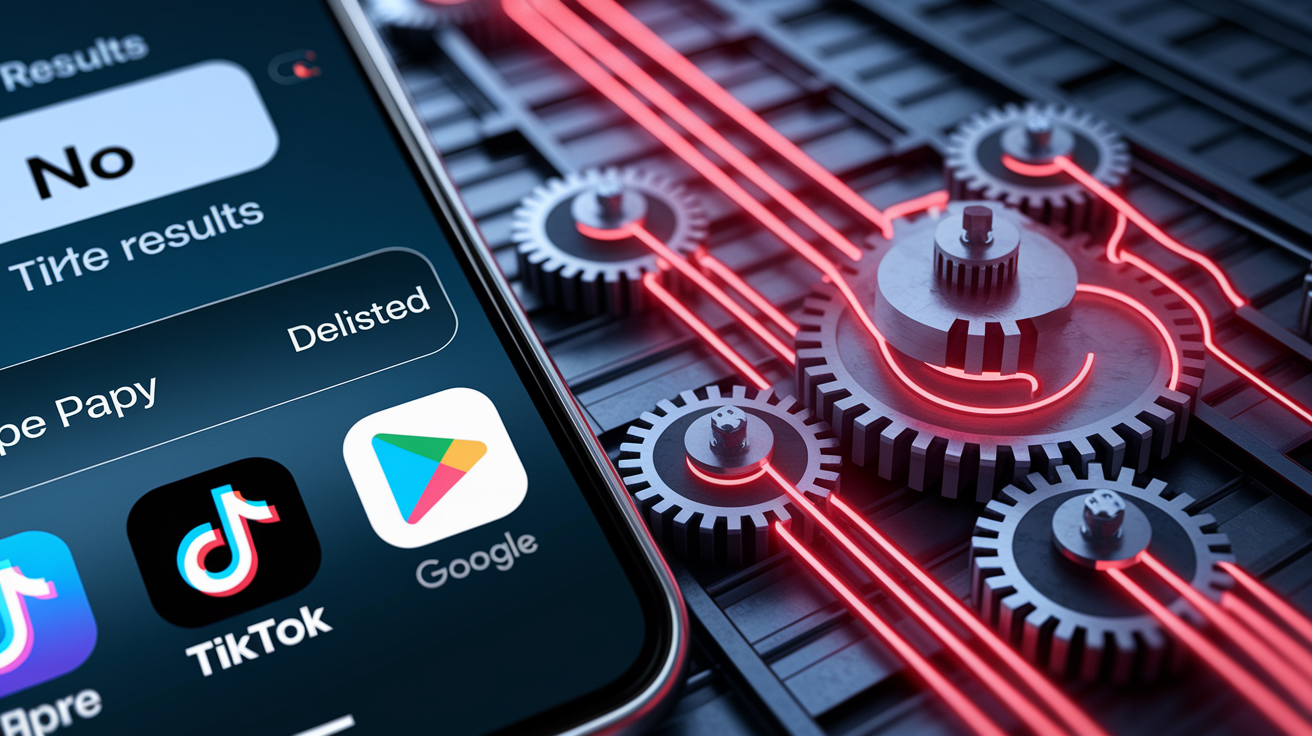
Within hours of the June 29 announcement, Apple and Google started removing TikTok and the other 58 banned apps from the Indian versions of the App Store and Google Play Store. Users who tried to search for TikTok in app stores found the application completely delisted. No new downloads or reinstallations. Existing users who already had TikTok installed on their devices initially kept the app icon and could open the application, but access to content and services got progressively blocked as internet service providers implemented the government’s order at the network level.
Indian ISPs received directives to block access to TikTok’s servers and content delivery networks. The app became effectively non-functional even for users who kept it installed on their devices. The blocking cut off the app’s ability to load new videos, refresh feeds, or allow users to upload content. Some users reported brief windows of partial functionality through VPN services that routed traffic through servers outside India, but widespread VPN use faced its own technical and legal limitations. The enforcement created an immediate shutdown of TikTok’s operations in India. An estimated 200 million users lost access to the platform and the content they’d created and followed.
The technical enforcement of the ban followed established procedures for digital content blocking in India:
App store delisting: removal of banned apps from official download platforms prevents new installations.
ISP-level blocking: internet service providers block DNS resolution and IP addresses associated with banned services.
Update restrictions: existing installations can’t receive security patches or feature updates through official channels.
CDN blocking: content delivery network endpoints are blocked to prevent media loading even when app shells remain installed.
India had recorded 46.6 million TikTok downloads in February 2020 alone. That illustrates the platform’s rapid growth and the scale of disruption when access suddenly ended. The enforcement mechanisms ensured the ban wasn’t merely symbolic but created real technical barriers that ended meaningful use of the platform across India’s vast mobile user base. The speed and completeness of the technical implementation demonstrated India’s capacity to execute digital blocking orders at scale and reinforced the government’s determination to follow through on the national security rationale it cited for the ban.
Impact of the TikTok Ban on Indian Creators and the Short-Video Industry

The immediate economic impact on creators was severe and widespread. TikTok had become a primary income platform for thousands of Indian influencers, entertainers, and small businesses who monetized through brand partnerships, promotional content, and direct fan support. Many full-time creators had built audiences in the millions and earned substantial monthly incomes through sponsored posts, product placements, and participation in TikTok’s creator funds and campaigns. The overnight ban eliminated these revenue streams without warning or transition period. Creators scrambled to preserve their audiences and income on alternative platforms that lacked TikTok’s recommendation algorithm and engagement patterns.
The ban disrupted not only individual creators but entire ecosystems of talent agencies, marketing firms, and production companies that had emerged around India’s short-video economy. Brand partnerships that had been negotiated for TikTok campaigns were canceled or renegotiated, often at lower rates on less-established platforms. Creators lost follower counts that had taken months or years to build and faced the challenge of migrating audiences to new services where their existing fan bases had no automatic presence. The cultural impact hit particularly hard in smaller cities and rural areas, where TikTok had democratized content creation and given visibility to voices and communities traditionally underrepresented in mainstream Indian media.
Major consequences creators faced:
Lost brand deals: existing sponsorship contracts tied to TikTok metrics became void, with brands shifting budgets to other platforms or canceling campaigns entirely.
Reduced reach: follower counts and engagement rates dropped sharply on alternative platforms that lacked TikTok’s algorithmic distribution power.
Follower migration challenges: creators couldn’t easily transfer their TikTok audiences to new services, forcing them to rebuild from smaller bases.
Contract disputes: talent agencies and creator networks faced legal and financial disputes over unfulfilled campaign commitments.
Forced platform migration: creators had to quickly adapt content formats and strategies to fit different platforms with distinct audiences and engagement mechanics.
The short-video industry in India experienced an abrupt reset. While TikTok had been the dominant platform for short-form entertainment, its removal created both a vacuum and an opportunity. Creators who’d invested heavily in understanding TikTok’s algorithm, content trends, and community norms found their specialized knowledge suddenly obsolete. At the same time, the ban opened space for competing platforms to court Indian creators with incentives, creator funds, and features designed to ease the transition from TikTok’s interface and workflows.
Creator Migration After the Ban: Instagram Reels, YouTube Shorts, and Indian Alternatives
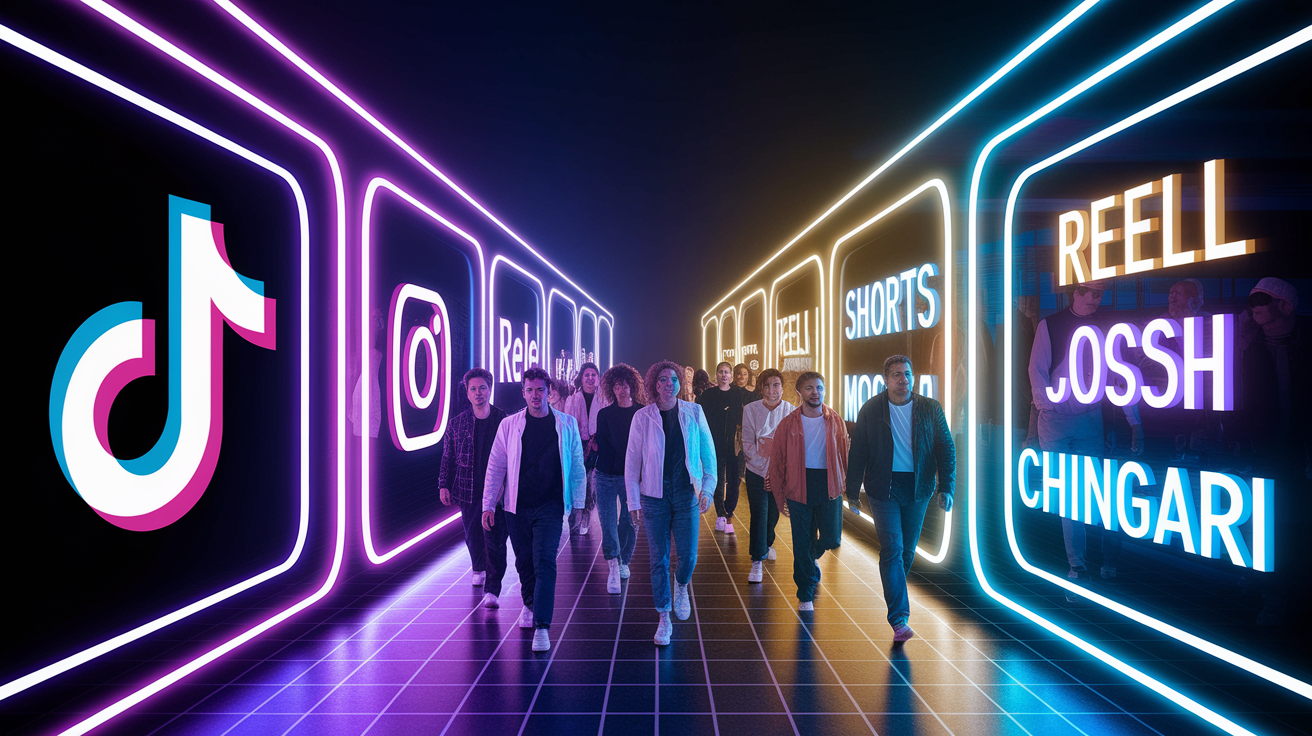
The TikTok ban triggered a rapid scramble among both global tech giants and Indian startups to capture the hundreds of millions of users and creators suddenly looking for alternative platforms. Within weeks of the June 29 order, multiple services launched or accelerated short-video features specifically targeting the Indian market. India represented both massive user numbers and a proving ground for short-form video products. The migration reshaped India’s social media landscape and demonstrated how quickly platforms could scale when regulatory actions created sudden market opportunities.
Global platforms moved with unusual speed to fill the void left by TikTok’s exit. Instagram, already widely used in India, became one of the primary beneficiaries as the company prioritized the rollout of its TikTok-like Reels feature to Indian users ahead of other markets. YouTube similarly accelerated development of Shorts, its short-form video product, and chose India as an early testing ground for features and creator tools designed to attract former TikTok users.
Global Platforms’ Rapid Expansion
Instagram officially launched Reels in India on August 5, 2020, just over a month after the TikTok ban. India was among the first countries to receive the feature. The timing was deliberate. Instagram positioned Reels as a direct TikTok alternative and promoted the feature heavily to Indian creators through dedicated campaigns, creator funds, and algorithmic promotion of Reels content in users’ feeds and Explore pages. By 2022, Instagram reported that Reels accounted for more than 20 percent of the time users spent on the platform globally, with India representing a major driver of that engagement. The company also made India the first market to display Reels in a separate dedicated tab, a design choice later rolled out worldwide. This underscored India’s strategic importance to Instagram’s short-video ambitions.
YouTube launched a beta version of Shorts in India within months of the ban, offering creators a platform built on YouTube’s existing massive user base and creator monetization infrastructure. By mid-2022, YouTube Shorts reported approximately 1.5 billion monthly viewers globally, with India contributing a substantial share. YouTube’s advantage lay in its established creator ecosystem and monetization programs, allowing former TikTok creators to potentially earn revenue through ads and memberships in ways that pure short-video platforms didn’t support. The Shorts format integrated into YouTube’s main app, giving creators cross-promotional opportunities between long-form and short-form content that helped some rebuild audiences faster than on standalone platforms.
Indian App Surge After the Ban
A wave of Indian-developed alternatives launched or scaled rapidly in the weeks following the ban, hoping to capture nationalistic sentiment and government support for locally built platforms. Moj, created by ShareChat, registered more than 1 million downloads within the first week of its July 2020 launch. Aggressive marketing and appeals to support Indian technology companies fueled that growth. Josh, developed by the Times Internet-owned platform Dailyhunt, similarly saw early download spikes as it recruited former TikTok creators and offered financial incentives to popular influencers who brought their audiences to the platform. Chingari, another Indian short-video app, positioned itself as a “Made in India” alternative and benefited from government statements encouraging citizens to use domestic apps in place of banned Chinese services.
The Indian government issued an Innovation Challenge explicitly encouraging development of local alternatives to banned apps. This created a supportive policy environment for domestic platforms. ShareChat and other Indian companies raised significant venture capital funding during this period, with investors betting that India’s short-video market would sustain multiple local platforms. At the peak in November 2020, at least 13 of the top 100 social apps in India’s Google Play Store were TikTok-like short-video platforms. That reflected intense competition and user experimentation across alternatives.
Long-Term Market Realignment
Despite initial enthusiasm and rapid user acquisition, most Indian TikTok alternatives failed to sustain growth or achieve profitability. By 2022 and 2023, download numbers and active usage had declined sharply for apps like Moj, Josh, and Chingari, while Instagram Reels and YouTube Shorts consolidated dominance in India’s short-video market. The local platforms struggled to match the recommendation algorithms, content moderation, and global creator networks that made TikTok successful. They faced business model challenges around monetization and advertising that TikTok had solved at scale. Creators and audiences gradually migrated to Reels and Shorts, which offered better integration with existing social networks, more sophisticated content discovery, and clearer paths to monetization through established brand partnerships and platform programs.
Legal and Regulatory Structure Behind India’s TikTok Ban
The legal foundation for India’s TikTok ban rested on Section 69A of the Information Technology Act, 2000. It grants the central government broad authority to issue directions to block public access to any information through computer resources. The provision allows the government to act when blocking is necessary for sovereignty, integrity, defence, security of the state, friendly relations with foreign states, or public order, or for preventing incitement to cognizable offences. Section 69A doesn’t require prior judicial approval, enabling rapid action in situations the government deems urgent. The law mandates that blocking orders must follow procedural safeguards including recording reasons in writing and providing opportunities for affected parties to be heard after the order is issued.
MeitY coordinated enforcement through formal directives to internet service providers and app store operators, requiring them to implement technical blocking measures within specified timeframes. ISPs used a combination of DNS blocking, IP address filtering, and deep packet inspection to prevent users from accessing TikTok’s servers and content delivery networks. Apple and Google received official takedown requests for their respective app stores and complied by delisting the banned apps from the Indian versions of the App Store and Google Play Store. This multi-layered enforcement approach ensured that users could neither download the app nor access its services even if they’d previously installed it, creating a comprehensive technical barrier.
Legal challenges to the ban were limited and largely unsuccessful. While some affected companies explored options to appeal the blocking orders through India’s courts, no major reversal materialized. ByteDance issued public statements expressing willingness to engage with Indian authorities and comply with data localization and security requirements, but the government didn’t reopen negotiations or modify the ban. The lack of effective legal recourse reflected both the national security framing of the order, which courts typically defer to executive judgment on, and the broader political context of India-China tensions that made reversing the ban politically difficult regardless of legal arguments about due process or proportionality.
Long-Term Effects of the TikTok Ban on India’s Digital Landscape
The TikTok ban marked a turning point in India’s approach to digital sovereignty and cross-border data flows. It established a precedent for aggressive government action against foreign technology platforms on national security grounds. In the months and years following June 2020, India expanded the list of banned Chinese apps in multiple waves, eventually blocking hundreds of applications and tightening scrutiny of other foreign services operating in the country. The ban triggered broader policy debates about data localization requirements, cybersecurity standards, and the extent to which India should allow foreign platforms to operate without significant local infrastructure and oversight. Those debates influenced subsequent regulatory proposals and enforcement actions.
The ban’s ripple effects extended beyond Chinese apps to reshape how all technology platforms operate in India. Activists and digital rights groups documented increased government use of blocking powers for a wider range of content and services. Temporary takedowns of VPN applications, restrictions on websites and social media accounts affiliated with journalists and critics, and expanded demands for content removal from platforms like Twitter and Facebook. The TikTok ban demonstrated the government’s technical capacity and political will to enforce digital restrictions at scale. It set a template that some observers argue enabled more aggressive content regulation and broader censorship in subsequent years.
The industry realignment accelerated India’s emergence as a critical battleground market for global technology companies while simultaneously fostering domestic platform development. India became the largest market for YouTube, with nearly 500 million monthly users, and for Instagram, with 362 million users, as both platforms absorbed audiences and creators displaced by the TikTok ban. The competitive landscape shifted from a TikTok-dominated short-video ecosystem to a more diverse but ultimately U.S.-platform-controlled market. This altered the economics and culture of content creation in ways that favored more established influencers and top-down brand relationships over TikTok’s grassroots, algorithmically driven discovery model.
Major digital policy consequences of the ban include:
Stronger data localization pressure: increased government demands that foreign companies store Indian user data on servers physically located within India’s borders.
Extended app scrutiny: expanded review processes for app permissions, data handling practices, and ownership structures, particularly for apps linked to geopolitical rivals.
Precedent for blocking: demonstrated template for rapid, large-scale digital service bans that other governments studied as they considered similar actions against TikTok and other platforms.
Final Words
TikTok was banned in India on June 29, 2020, as part of a 59‑app block after a mid‑June border clash. The government cited national security and data‑privacy risks under Section 69A.
The ban removed TikTok from app stores, hit creator earnings, and pushed users toward Reels, Shorts, and Indian alternatives.
If you wondered when did tiktok get banned in india — it was June 29, 2020 — and this timeline shows why and how. Creators adapted, and new opportunities have followed.
FAQ
Q: Is TikTok officially banned in India and is it banned in India in 2026?
A: TikTok is officially banned in India and remained banned through 2026; the government blocked it under Section 69A on June 29, 2020, as part of a 59‑app national security order.
Q: When did India lose TikTok?
A: India lost TikTok on June 29, 2020, when MeitY ordered its block; the ban followed the June 15 Galwan clash and targeted 59 Chinese apps over data and security concerns.
Q: Do people in India still use TikTok?
A: People in India generally don’t have official access to TikTok after the 2020 ban; a few use VPNs or foreign accounts, but most creators migrated to Reels, YouTube Shorts, and local apps.